MMWR Morb Mortal Wkly Rep. 2014 Jun 6;63(22):491-5.
Norovirus is the leading cause of acute gastroenteritis and foodborne disease in the United States, causing an estimated one in 15 U.S. residents to become ill each year as well as 56,000-71,000 hospitalizations and 570-800 deaths, predominantly among young children and the elderly. Whereas noroviruses often spread through person-to-person contact, foodborne transmission can cause widespread exposures and presents important prevention opportunities.
CDC analyzed 2009–2012 data on suspected and confirmed norovirus outbreaks reported by state, local, and territorial health departments through the National Outbreak Reporting System (NORS) to characterize the epidemiology of foodborne norovirus outbreaks.
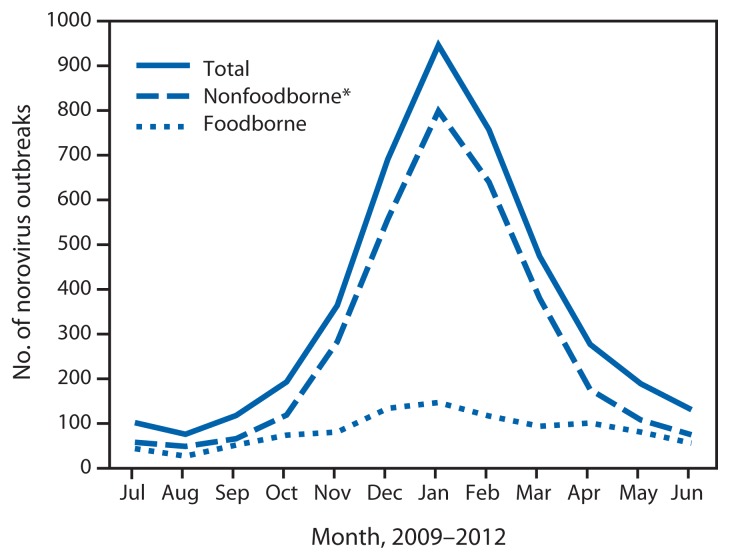
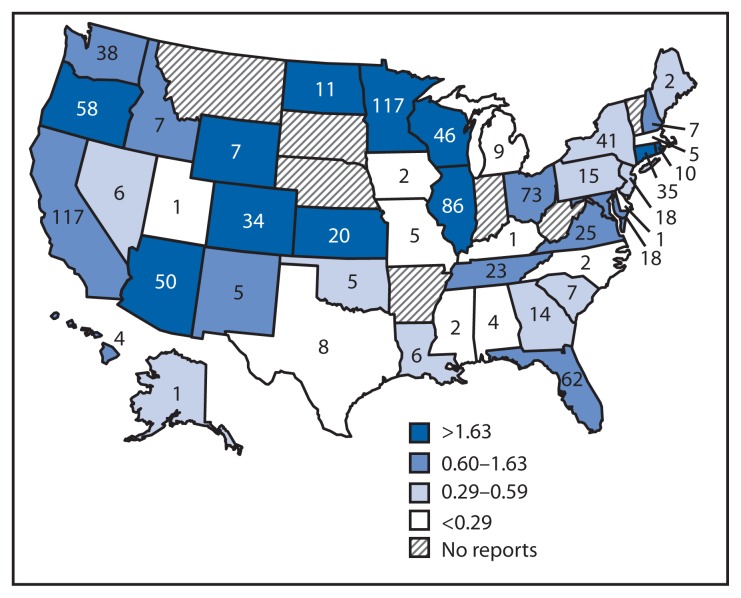
During 2009–2012, a total of 1,008 foodborne norovirus outbreaks were reported to NORS, constituting 48% of all foodborne outbreaks with a single known cause. Outbreaks were reported by 43 states and occurred year round. Restaurants were the most common setting (64%) of food preparation reported in outbreaks. Of 520 outbreaks with factors contributing to contamination reported, food workers were implicated as the source in 70%. Of 324 outbreaks with an implicated food, most resulted from food contaminated during preparation (92%) and food consumed raw (75%). Specific food categories were implicated in only 67 outbreaks; the most frequently named were vegetable row crops (e.g., leafy vegetables) (30%), fruits (21%), and mollusks (19%).
Noroviruses are the leading cause of reported foodborne disease outbreaks and most often associated with contamination of food in restaurants during preparation by infected food workers.
Improved adherence to appropriate hand hygiene, excluding ill staff members from working until ≥48 hours after symptom resolution, and supervision by certified kitchen managers are all recommended to reduce the incidence of foodborne norovirus disease.
诺如病毒是美国急性肠胃炎和食源性疾病的主要致病原,每年估计有 15%的美国居民因此患病[1],导致 56000-71000 人住院[2]和 570-800 人死亡[2],主要发生在儿童和老年人中。虽然诺如病毒通常通过人与人之间的接触传播,但食源性传播可导致广泛暴露,为预防提供了重要机会。
CDC 通过国家暴发报告系统(NORS)分析了 2009-2012 年各州、地方和地区卫生部门报告的疑似和确诊诺如病毒暴发的数据[3],以描述食源性诺如病毒暴发的流行病学特征。
2009-2012 年,NORS 共报告了 1008 起食源性诺如病毒暴发,占所有单一已知病因食源性暴发的 48%。43 个州报告了暴发事件,且全年均有发生。餐馆是暴发中最常见的食品制备场所(64%)。在报告的 520 起有污染因素的暴发中,70%的暴发与食品工人有关。在 324 起有明确感染食品的暴发中,大多数是由于食品在制备过程中受到污染(92%)和生食(75%)引起的。只有 67 起暴发涉及特定食品类别,最常被点名的是蔬菜(如叶菜类蔬菜)(30%)、水果(21%)和贝类(19%)。
诺如病毒是报告的食源性疾病暴发的主要致病原,最常与餐馆中受感染食品工人在制备过程中污染食品有关。
建议提高对适当手部卫生的遵守程度、禁止患病员工在症状缓解后至少 48 小时前返回工作岗位,并由经认证的厨房经理进行监督,以减少食源性诺如病毒疾病的发生。