Vanharanta Sakari, Marney Christina B, Shu Weiping, Valiente Manuel, Zou Yilong, Mele Aldo, Darnell Robert B, Massagué Joan
Cancer Biology and Genetics Program, Memorial Sloan-Kettering Cancer Center, New York, United States.
Laboratory of Molecular Neuro-Oncology, The Rockefeller University, New York, United States.
Elife. 2014 Jun 4;3:e02734. doi: 10.7554/eLife.02734.
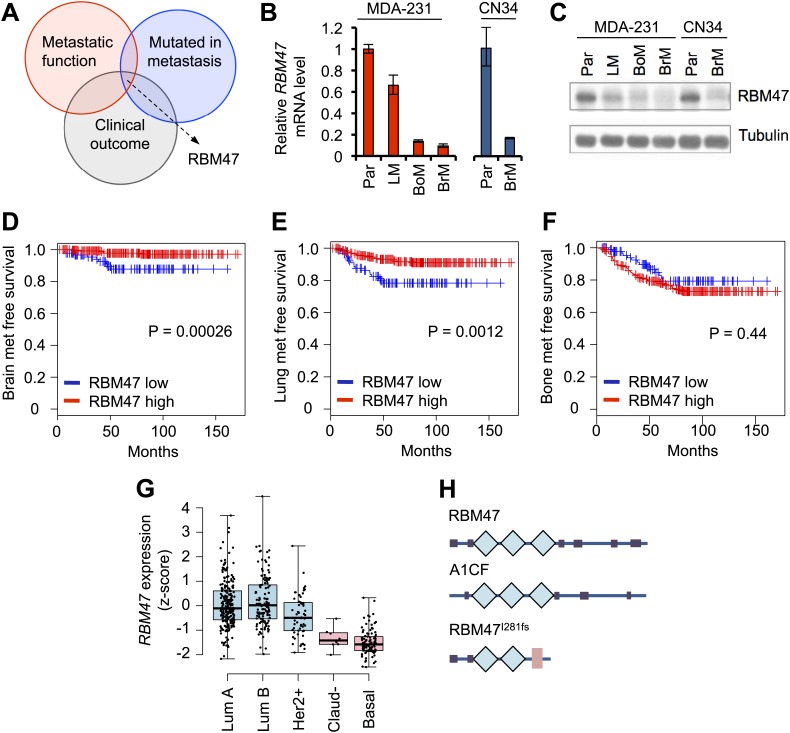
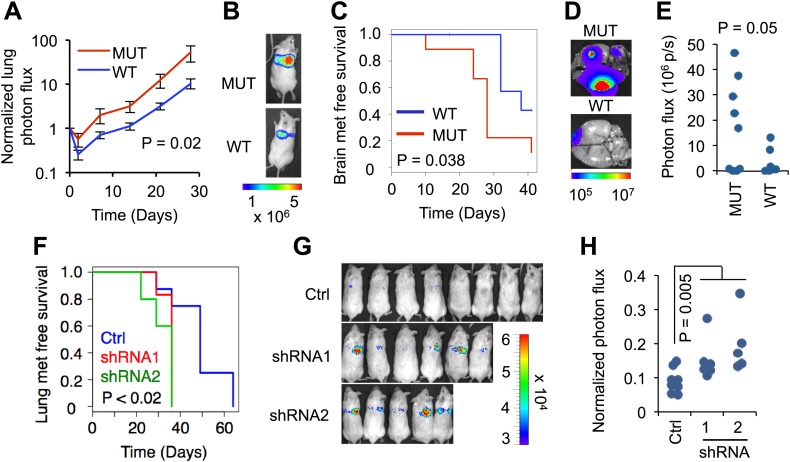
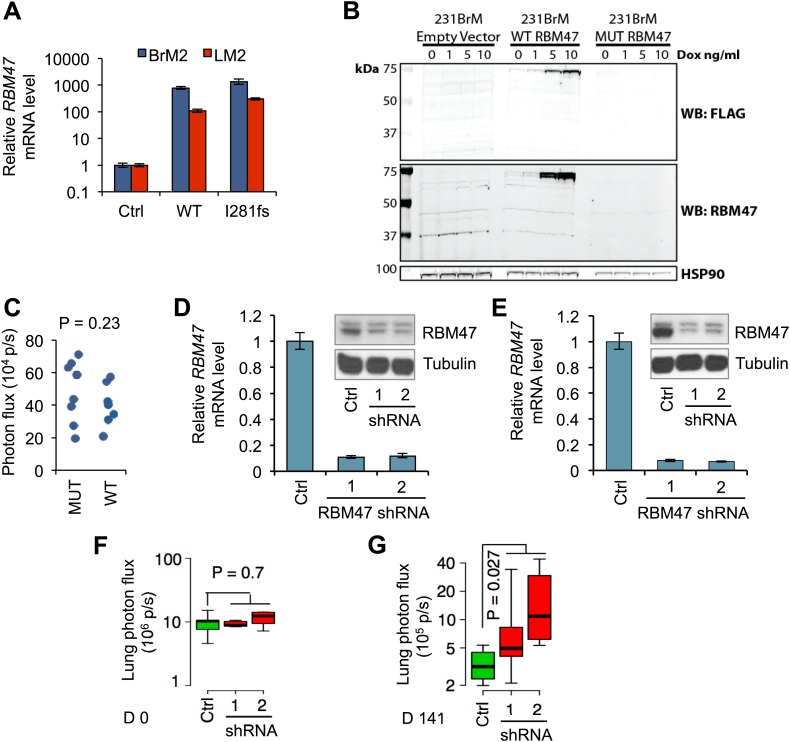
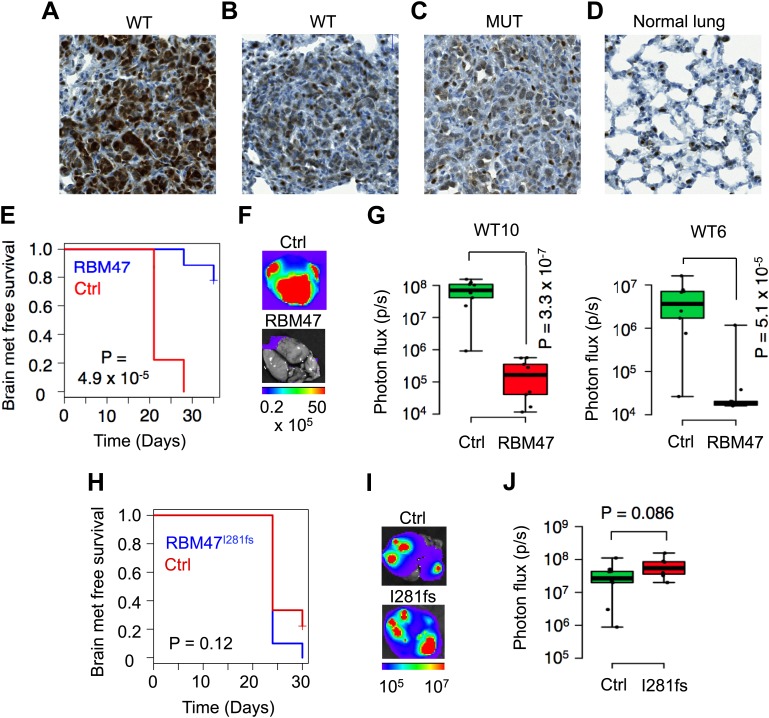
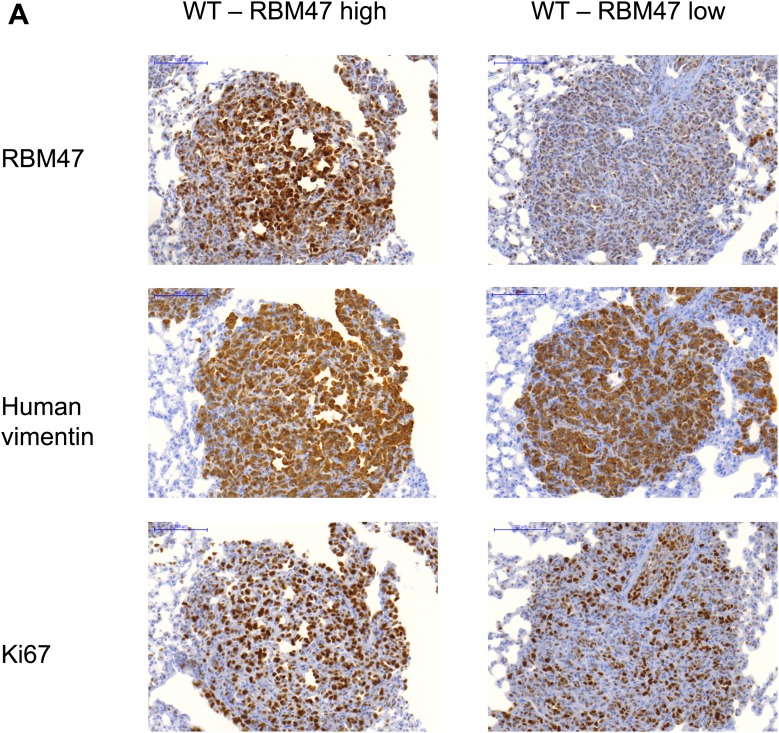
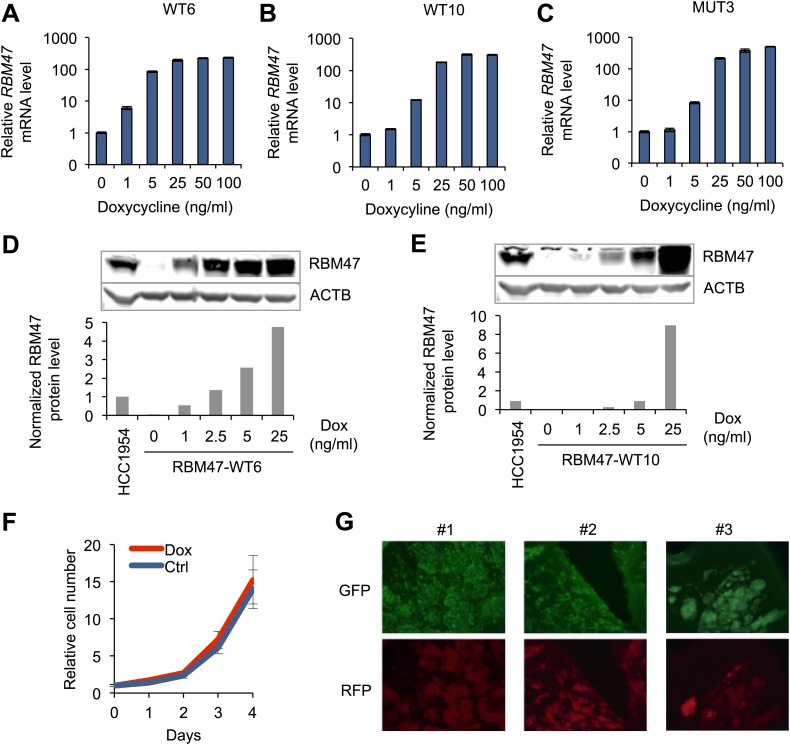
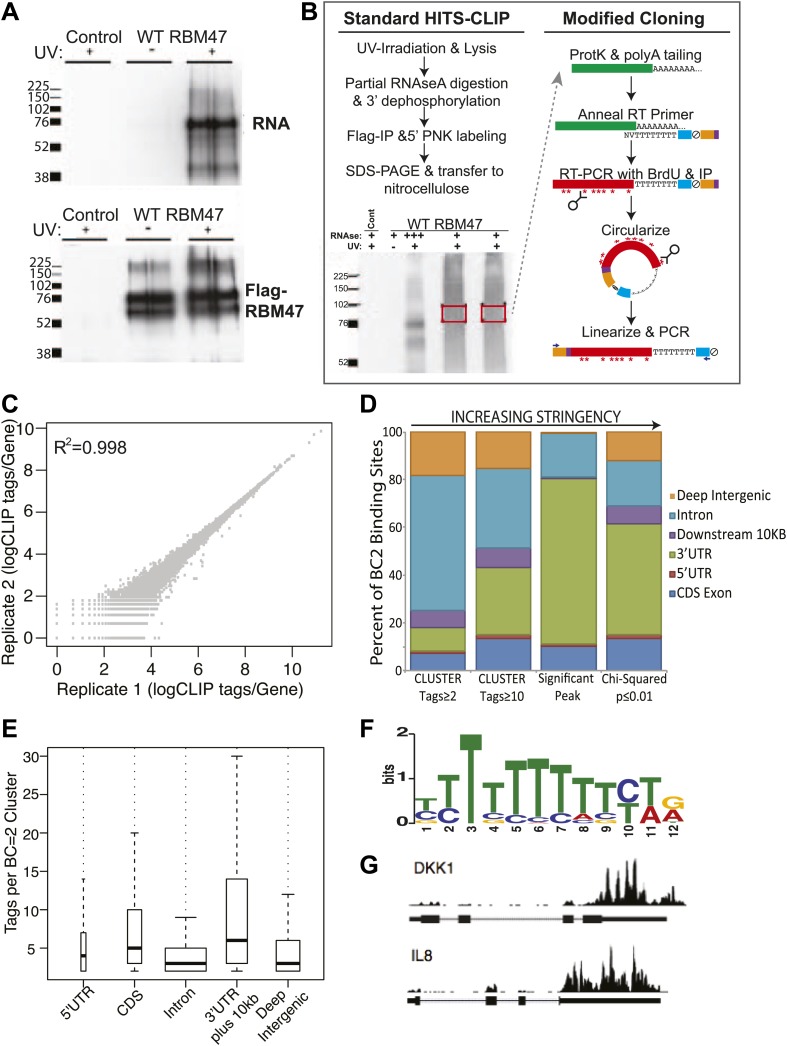
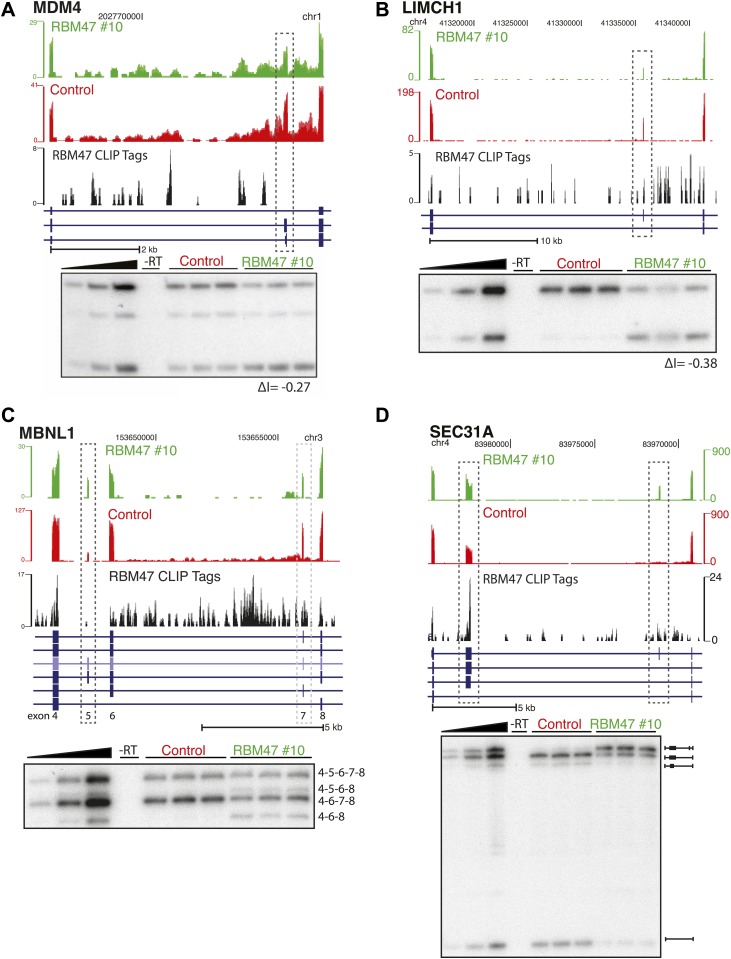
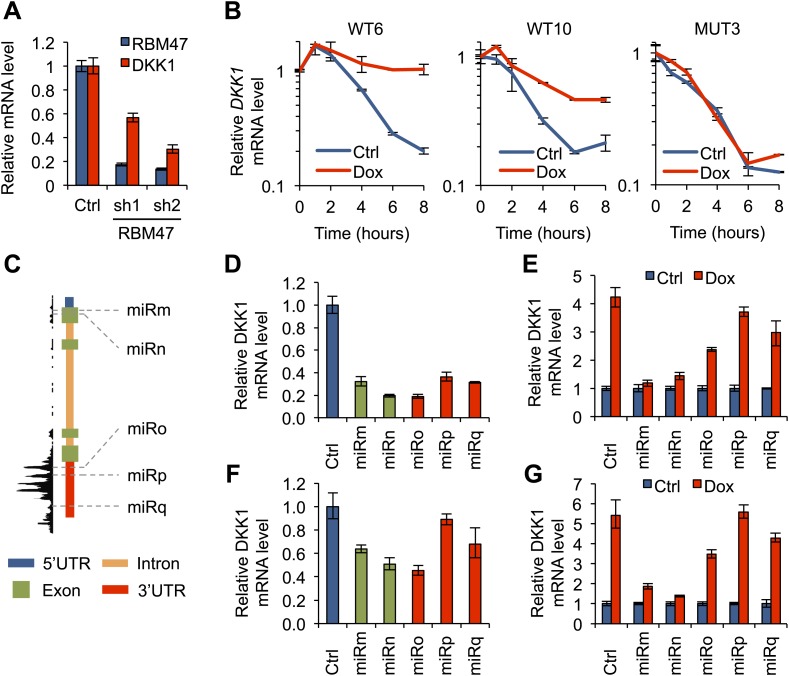
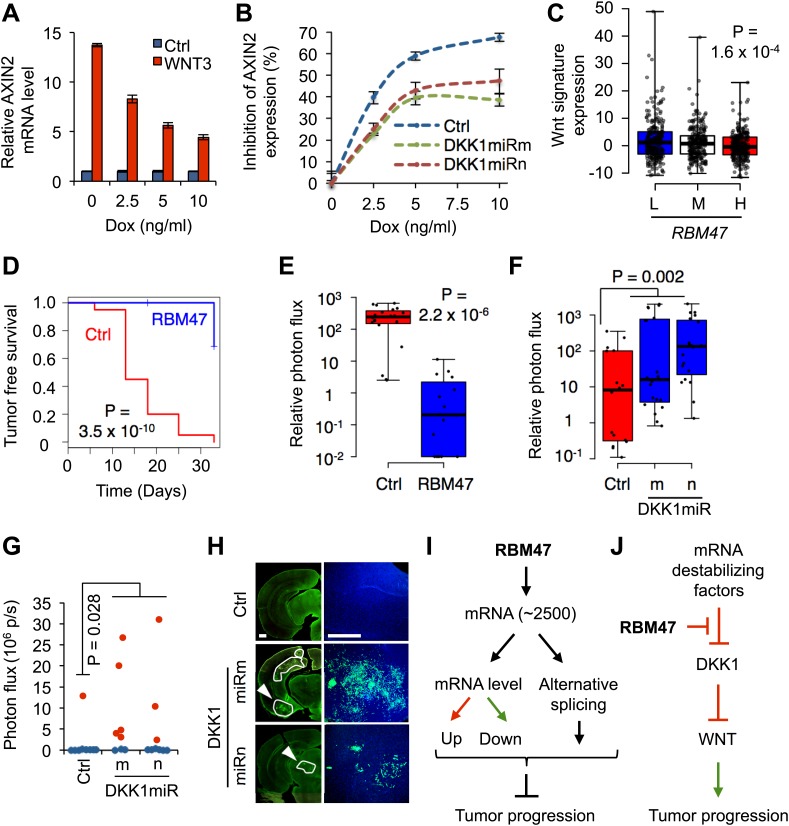
The mechanisms through which cancer cells lock in altered transcriptional programs in support of metastasis remain largely unknown. Through integrative analysis of clinical breast cancer gene expression datasets, cell line models of breast cancer progression, and mutation data from cancer genome resequencing studies, we identified RNA binding motif protein 47 (RBM47) as a suppressor of breast cancer progression and metastasis. RBM47 inhibited breast cancer re-initiation and growth in experimental models. Transcriptome-wide HITS-CLIP analysis revealed widespread RBM47 binding to mRNAs, most prominently in introns and 3'UTRs. RBM47 altered splicing and abundance of a subset of its target mRNAs. Some of the mRNAs stabilized by RBM47, as exemplified by dickkopf WNT signaling pathway inhibitor 1, inhibit tumor progression downstream of RBM47. Our work identifies RBM47 as an RNA-binding protein that can suppress breast cancer progression and demonstrates how the inactivation of a broadly targeted RNA chaperone enables selection of a pro-metastatic state.
癌细胞锁定改变的转录程序以支持转移的机制在很大程度上仍然未知。通过对临床乳腺癌基因表达数据集、乳腺癌进展的细胞系模型以及癌症基因组重测序研究的突变数据进行综合分析,我们确定RNA结合基序蛋白47(RBM47)是乳腺癌进展和转移的抑制因子。RBM47在实验模型中抑制乳腺癌的重新启动和生长。全转录组HITS-CLIP分析显示RBM47广泛结合mRNA,最显著的是在内含子和3'非翻译区。RBM47改变了其靶标mRNA子集的剪接和丰度。一些由RBM47稳定的mRNA,如 dickkopf WNT信号通路抑制剂1所示,在RBM47下游抑制肿瘤进展。我们的工作确定RBM47是一种可以抑制乳腺癌进展的RNA结合蛋白,并证明了广泛靶向的RNA伴侣的失活如何导致选择促转移状态。