Department of Radiology, Ataturk Training and Research Hospital, 06050, Bilkent, Ankara, Turkey,
Insights Imaging. 2014 Aug;5(4):531-41. doi: 10.1007/s13244-014-0333-5. Epub 2014 Jun 6.
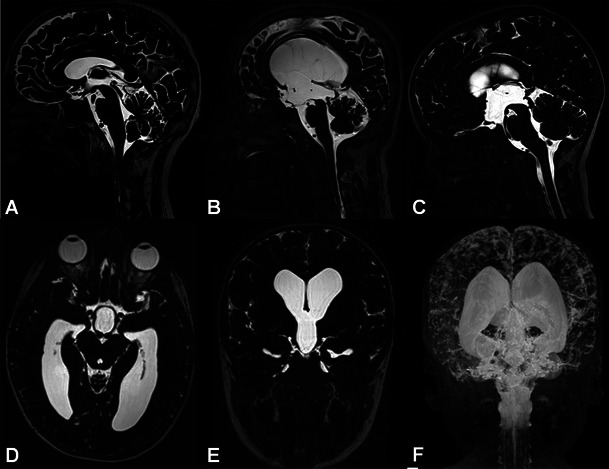
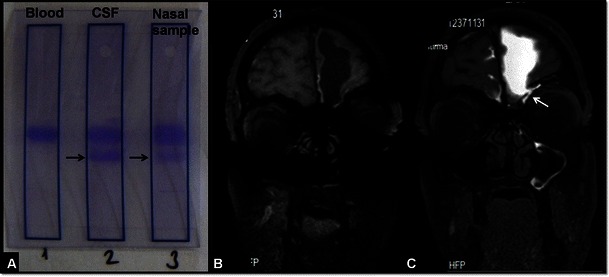
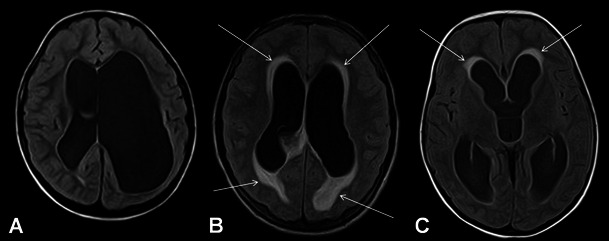
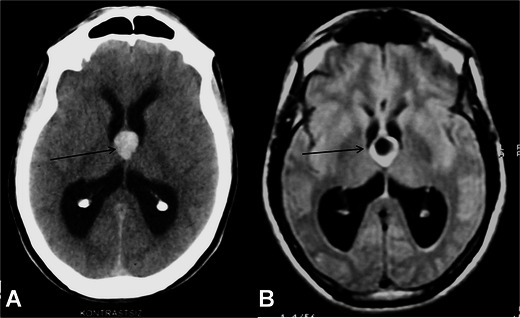
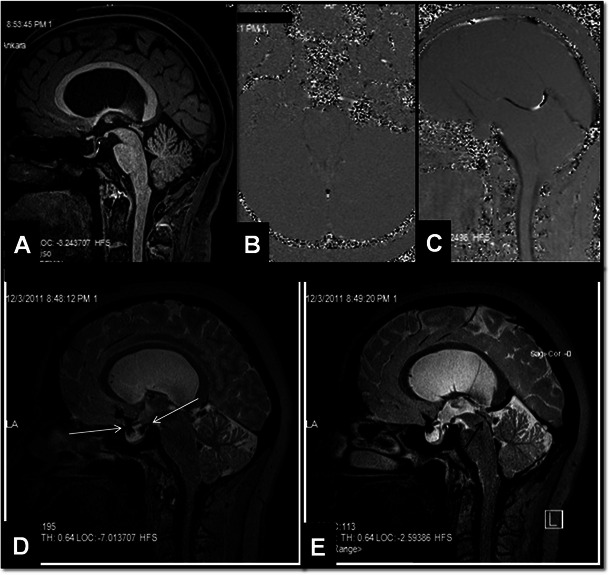
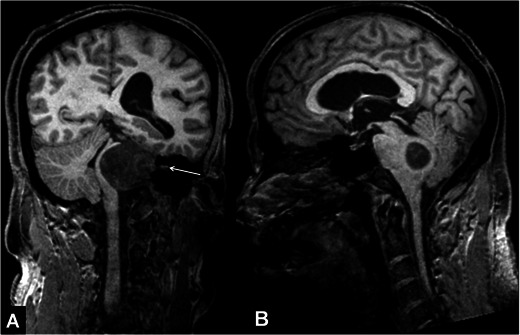
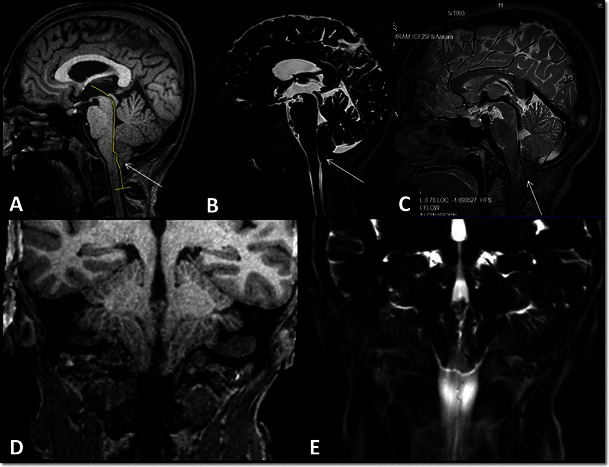
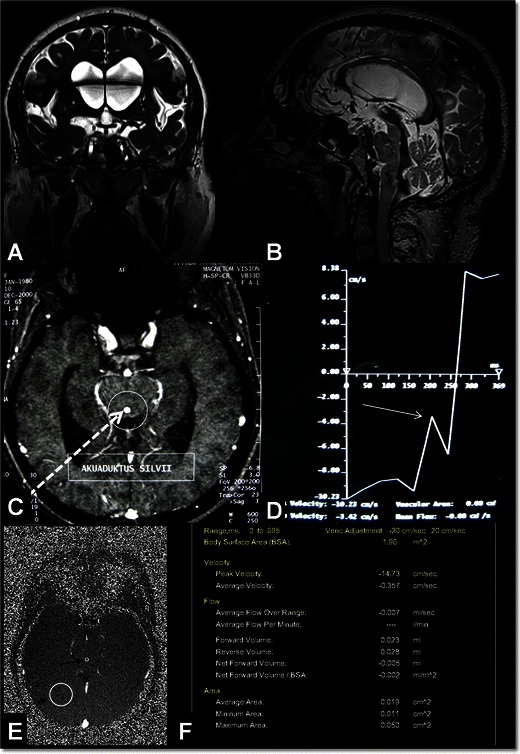
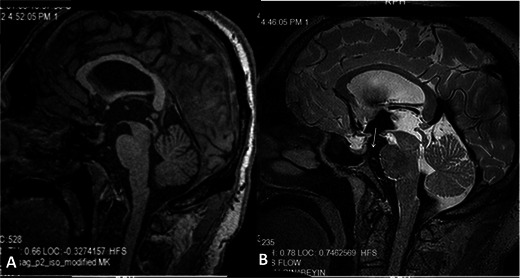
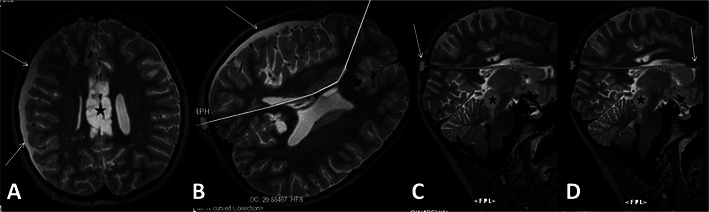
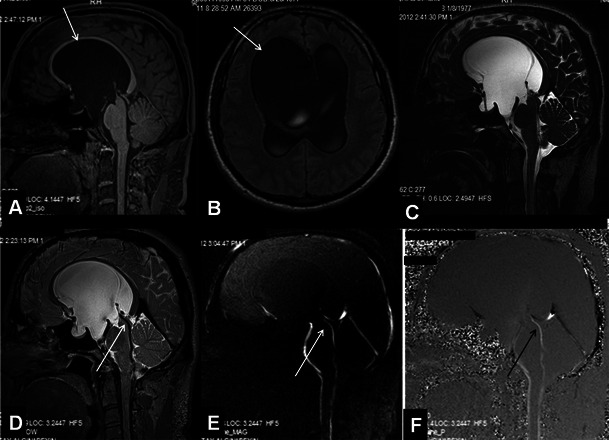
MRI is not only beneficial in the diagnosis of cerebrospinal fluid (CSF)-related diseases, but also aids in planning the management and post-surgery follow-up of the patients. With recent advances in MRI systems, there are many newly developed sequences and techniques that rapidly enable evaluation of CSF-related disorders with greater accuracy. For a better assessment of this group of disorders, radiologists should follow the developments closely and should be able to apply them when necessary. In this pictorial review, the role of MRI in the evaluation of hydrocephalus, CSF diversion techniques, and other CSF disorders is illustrated. Teaching Points • The 3D-SPACE seems to be most efficient technique for evaluation of hydrocephalus and ventriculostomy. • In complex cases, PC-MRI, 3D-heavily T2W, and/or CE-MRC images may prevent false results of 3D-SPACE.• MRI is beneficial in the diagnosis and management of hydrocephalus and other CSF-related diseases.
MRI 不仅有益于诊断与脑脊液(CSF)相关的疾病,还有助于规划患者的管理和术后随访。随着 MRI 系统的最新进展,有许多新开发的序列和技术可以快速更准确地评估与 CSF 相关的疾病。为了更好地评估这组疾病,放射科医生应密切关注这些进展,并在必要时能够应用这些技术。在这篇影像学综述中,我们将阐述 MRI 在脑积水、CSF 分流技术和其他 CSF 疾病评估中的作用。教学要点:
3D-SPACE 似乎是评估脑积水和脑室造瘘术最有效的技术。
在复杂病例中,PC-MRI、3D 重 T2W 和/或 CE-MRC 图像可防止 3D-SPACE 的假结果。
MRI 有益于脑积水和其他 CSF 相关疾病的诊断和管理。