Perkins Alexander D, Tanentzapf Guy
Department of Cellular and Physiological Sciences, University of British Columbia, Life Sciences Institute, Vancouver, British Columbia, Canada.
PLoS One. 2014 Jun 10;9(6):e99362. doi: 10.1371/journal.pone.0099362. eCollection 2014.
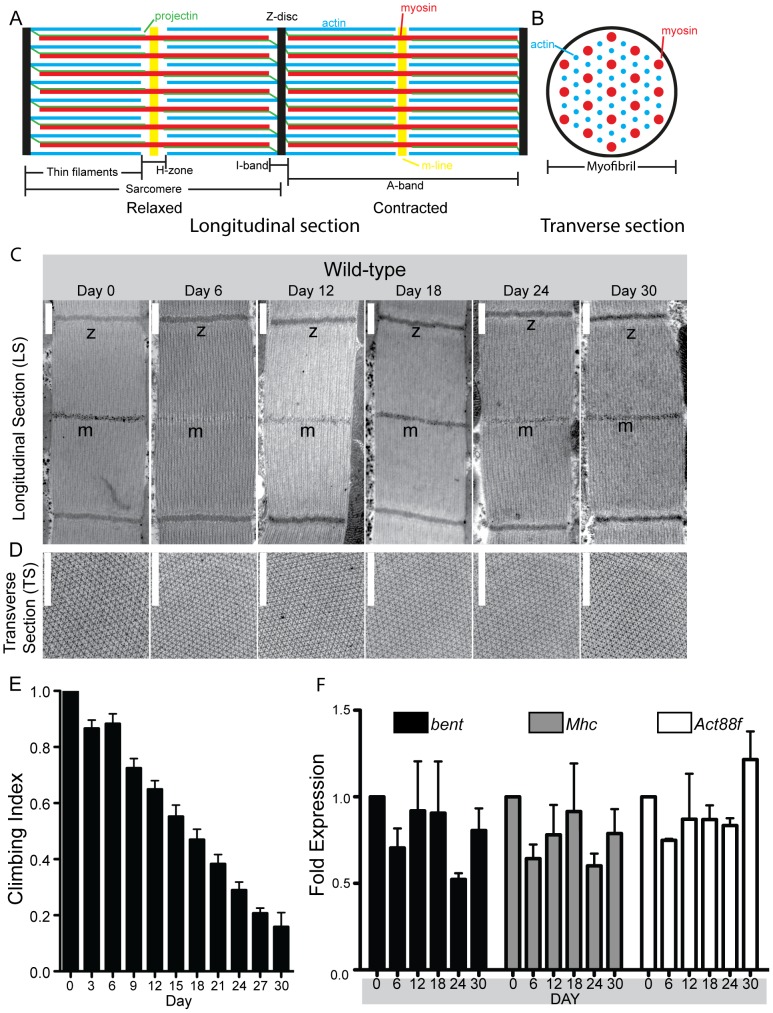
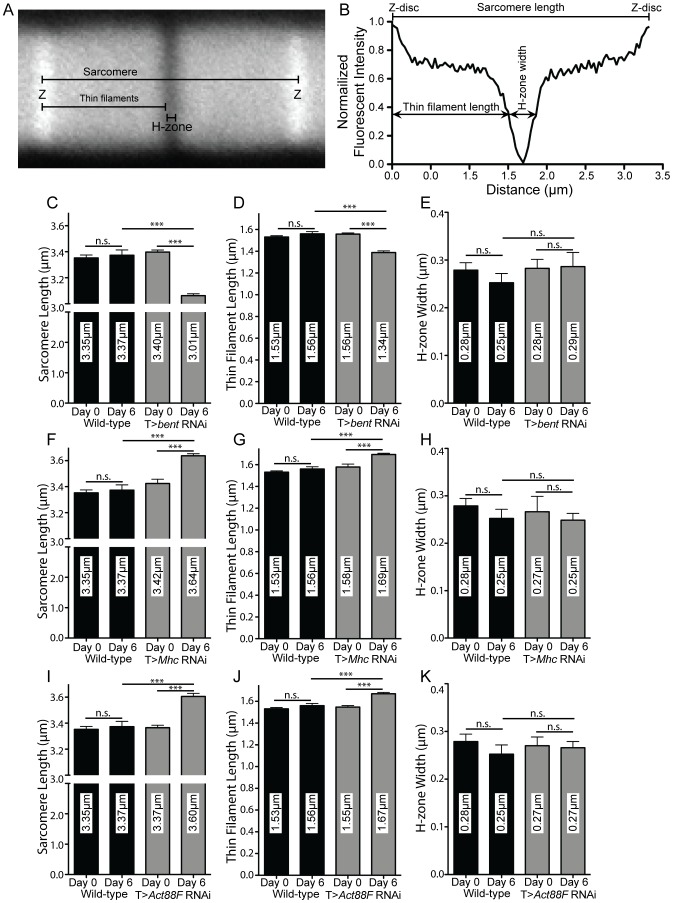
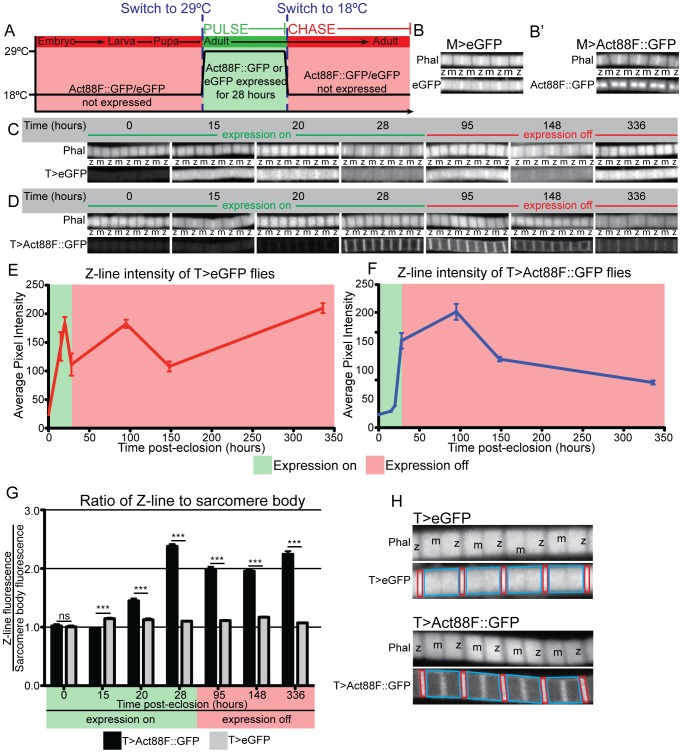
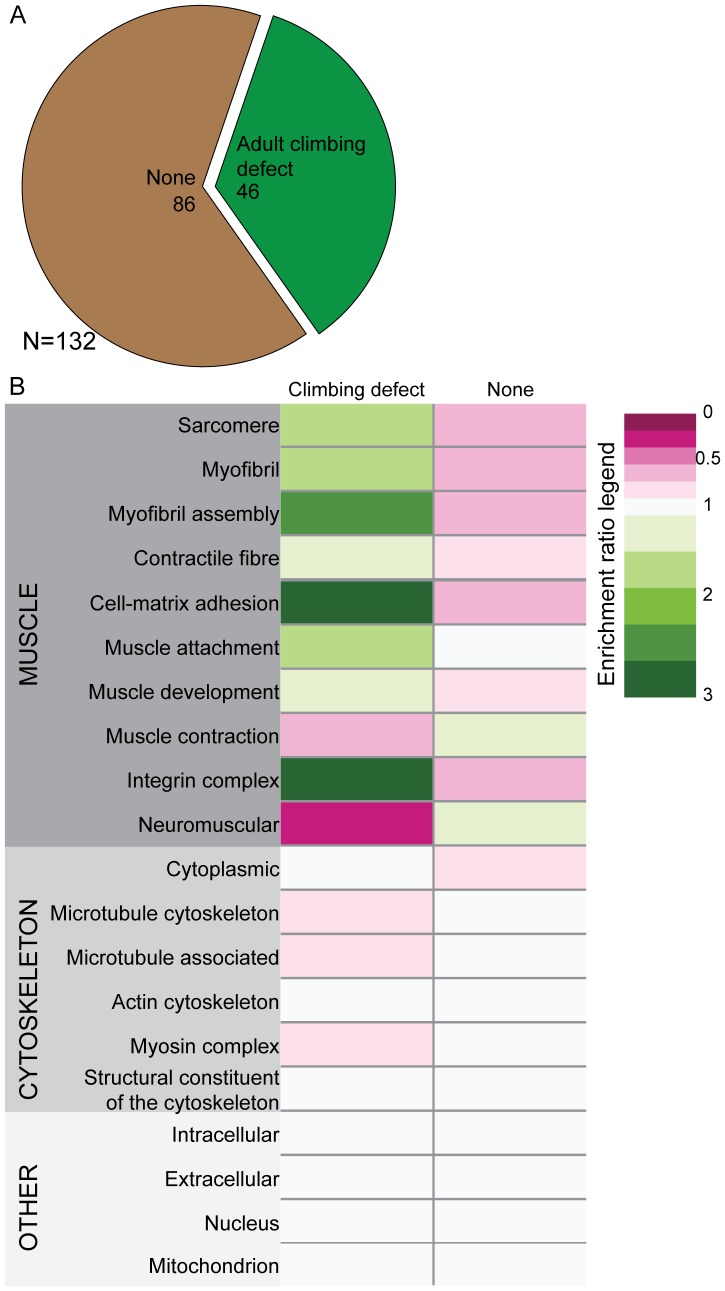
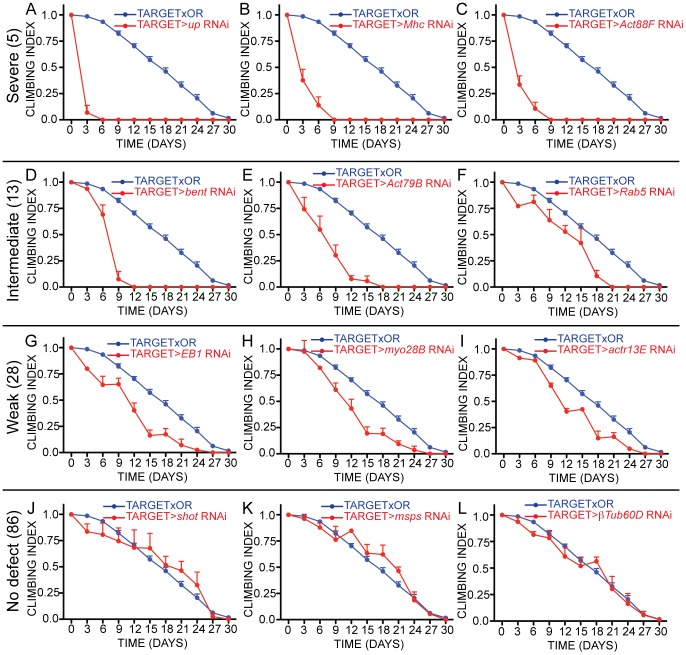
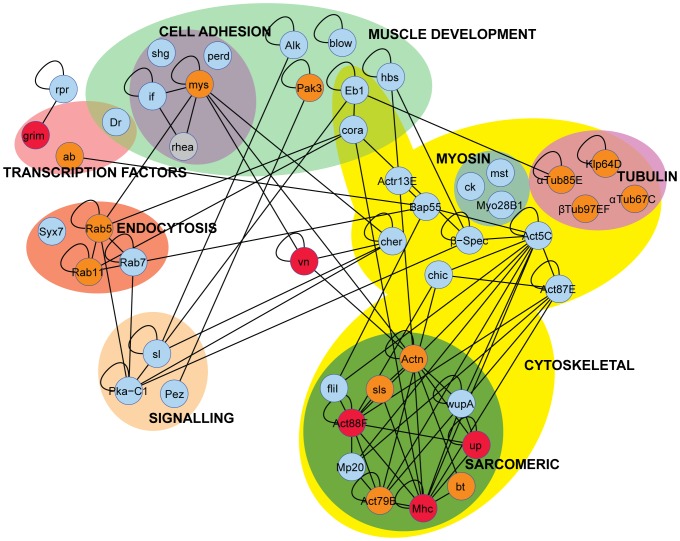
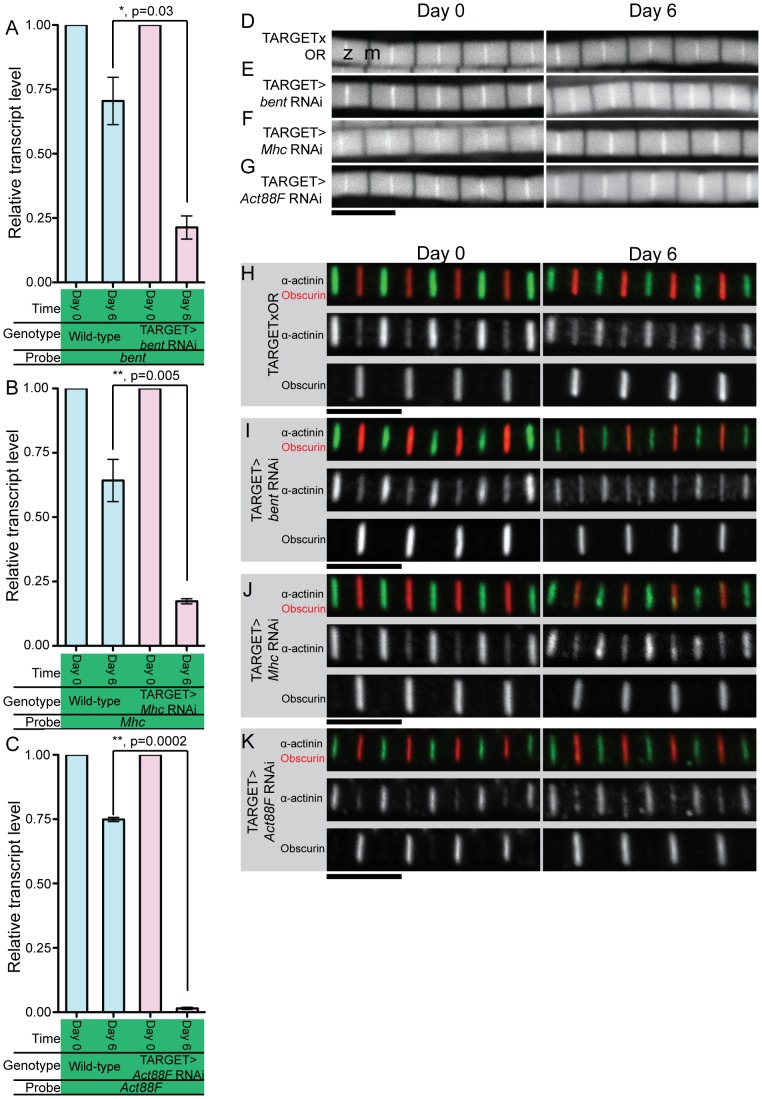
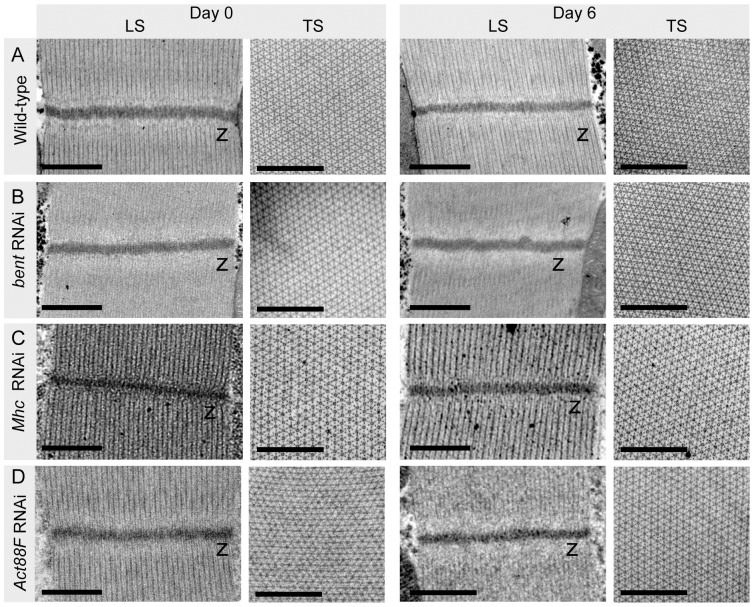
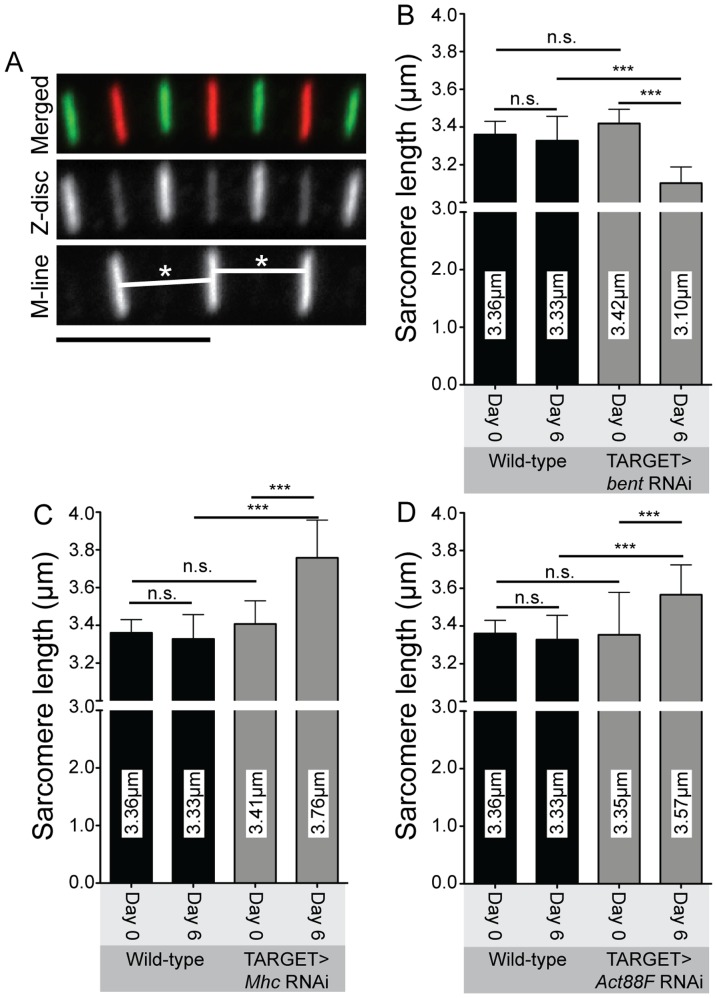
Animal muscles must maintain their function while bearing substantial mechanical loads. How muscles withstand persistent mechanical strain is presently not well understood. The basic unit of muscle is the sarcomere, which is primarily composed of cytoskeletal proteins. We hypothesized that cytoskeletal protein turnover is required to maintain muscle function. Using the flight muscles of Drosophila melanogaster, we confirmed that the sarcomeric cytoskeleton undergoes turnover throughout adult life. To uncover which cytoskeletal components are required to maintain adult muscle function, we performed an RNAi-mediated knockdown screen targeting the entire fly cytoskeleton and associated proteins. Gene knockdown was restricted to adult flies and muscle function was analyzed with behavioural assays. Here we analyze the results of that screen and characterize the specific muscle maintenance role for several hits. The screen identified 46 genes required for muscle maintenance: 40 of which had no previously known role in this process. Bioinformatic analysis highlighted the structural sarcomeric proteins as a candidate group for further analysis. Detailed confocal and electron microscopic analysis showed that while muscle architecture was maintained after candidate gene knockdown, sarcomere length was disrupted. Specifically, we found that ongoing synthesis and turnover of the key sarcomere structural components Projectin, Myosin and Actin are required to maintain correct sarcomere length and thin filament length. Our results provide in vivo evidence of adult muscle protein turnover and uncover specific functional defects associated with reduced expression of a subset of cytoskeletal proteins in the adult animal.
动物肌肉在承受巨大机械负荷时必须维持其功能。目前,肌肉如何承受持续的机械应变尚不清楚。肌肉的基本单位是肌节,它主要由细胞骨架蛋白组成。我们推测细胞骨架蛋白的周转对于维持肌肉功能是必需的。利用黑腹果蝇的飞行肌肉,我们证实肌节细胞骨架在成虫整个生命周期中都会发生周转。为了揭示维持成虫肌肉功能需要哪些细胞骨架成分,我们针对果蝇整个细胞骨架及相关蛋白进行了RNA干扰介导的敲低筛选。基因敲低仅限于成虫,并用行为分析来分析肌肉功能。在此,我们分析了该筛选结果,并对几个命中基因在肌肉维持中的特定作用进行了表征。该筛选确定了46个维持肌肉所需的基因:其中40个在此过程中以前没有已知作用。生物信息学分析突出了肌节结构蛋白作为进一步分析的候选组。详细的共聚焦显微镜和电子显微镜分析表明,虽然在候选基因敲低后肌肉结构得以维持,但肌节长度受到破坏。具体而言,我们发现关键肌节结构成分肌节蛋白、肌球蛋白和肌动蛋白的持续合成和周转对于维持正确的肌节长度和细肌丝长度是必需的。我们的结果提供了成虫肌肉蛋白周转的体内证据,并揭示了与成年动物中一部分细胞骨架蛋白表达降低相关的特定功能缺陷。