Duquet Arnaud, Melotti Alice, Mishra Sonakshi, Malerba Monica, Seth Chandan, Conod Arwen, Ruiz i Altaba Ariel
Department of Genetic Medicine and Development, University of Geneva Medical School, Geneva, Switzerland.
Department of Genetic Medicine and Development, University of Geneva Medical School, Geneva, Switzerland
EMBO Mol Med. 2014 Jul;6(7):882-901. doi: 10.15252/emmm.201303799.
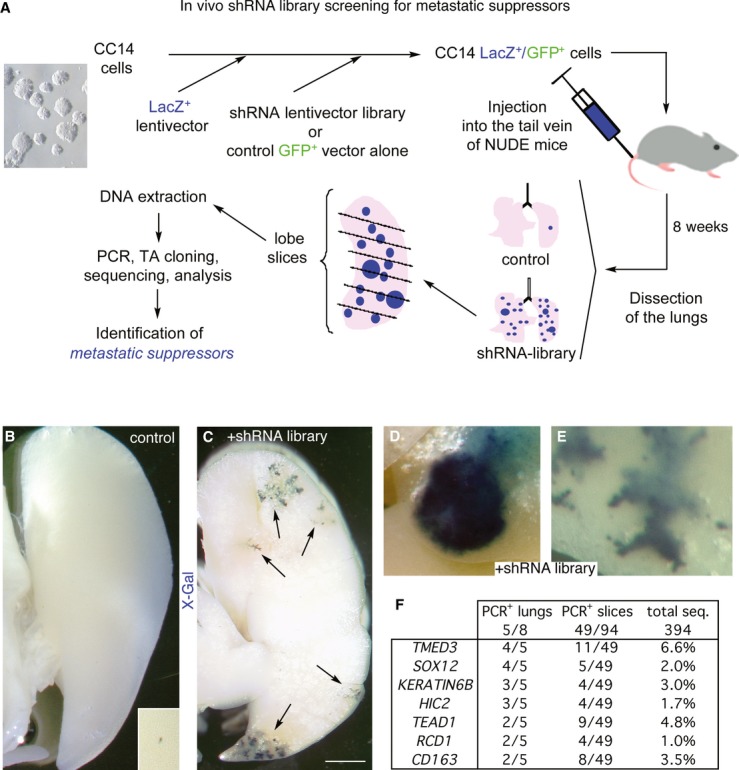
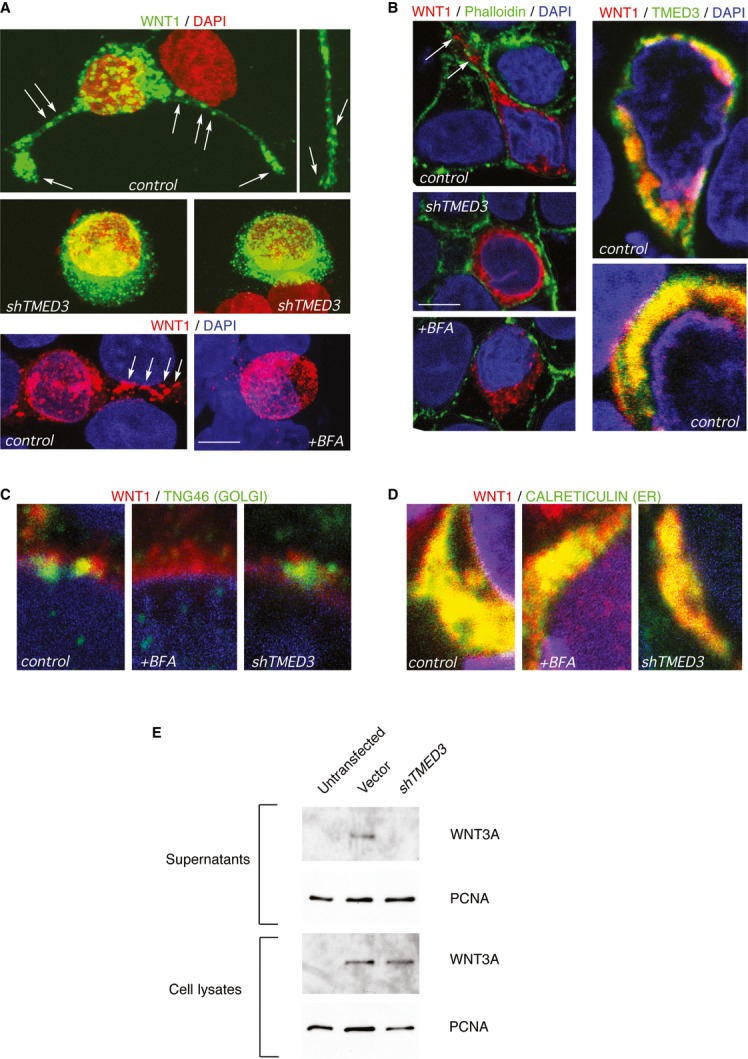
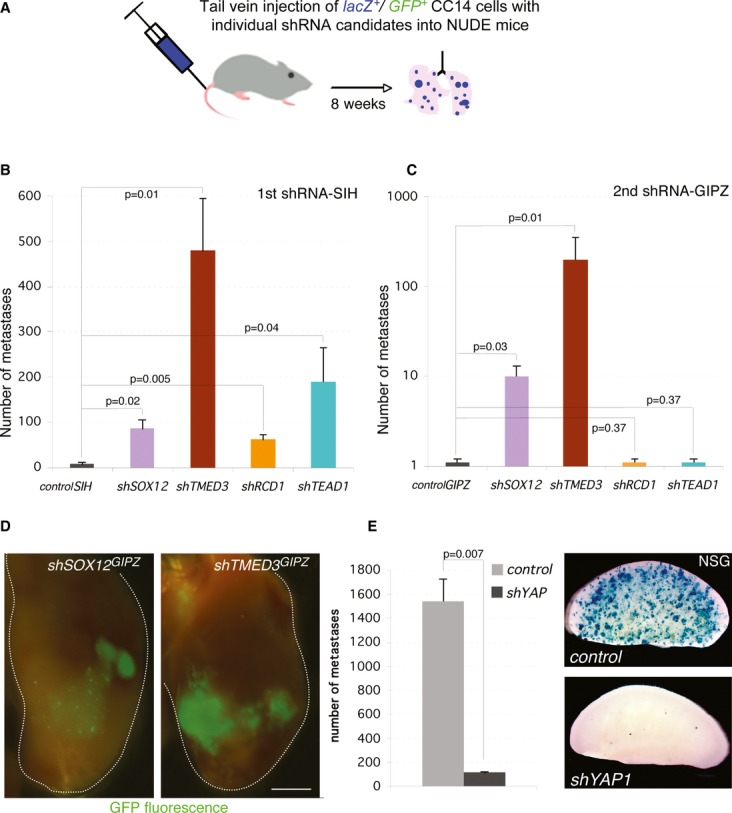
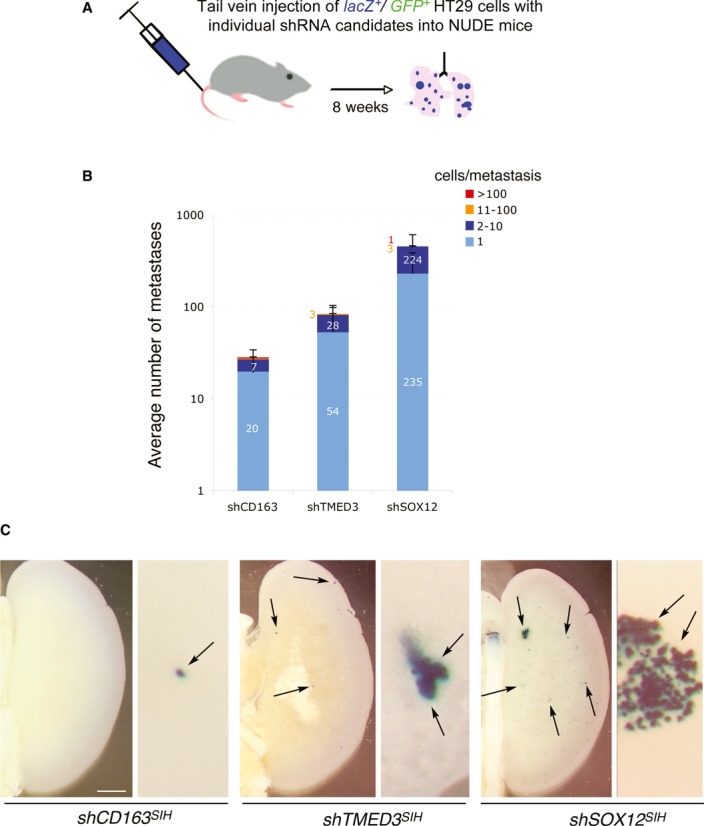
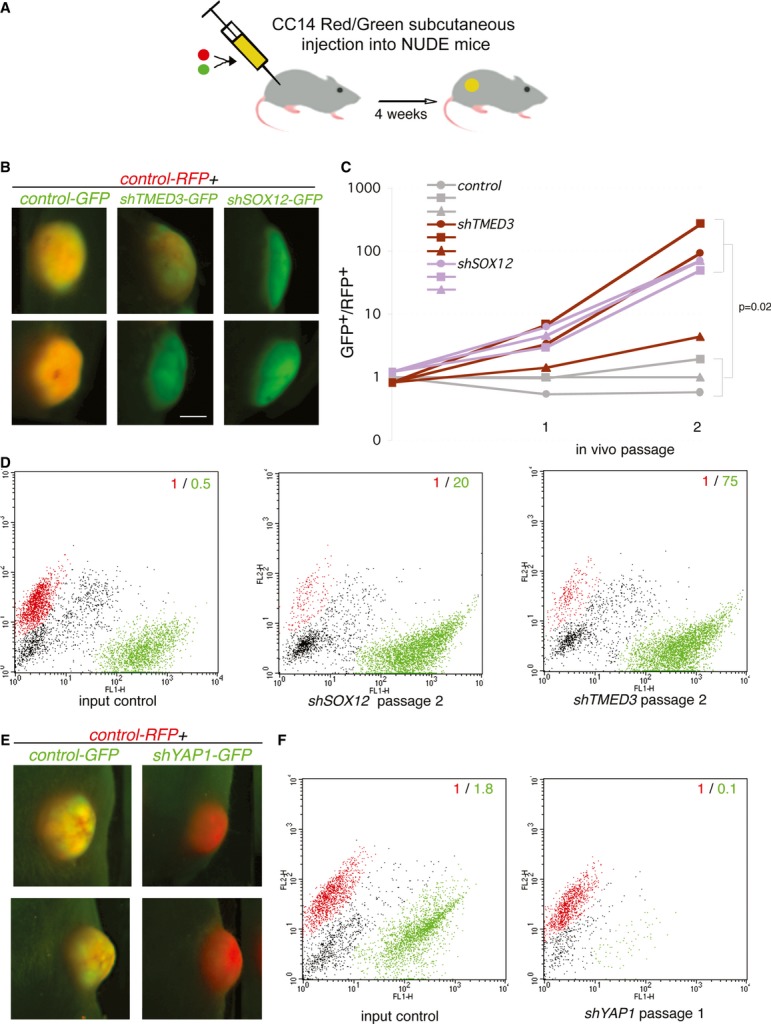
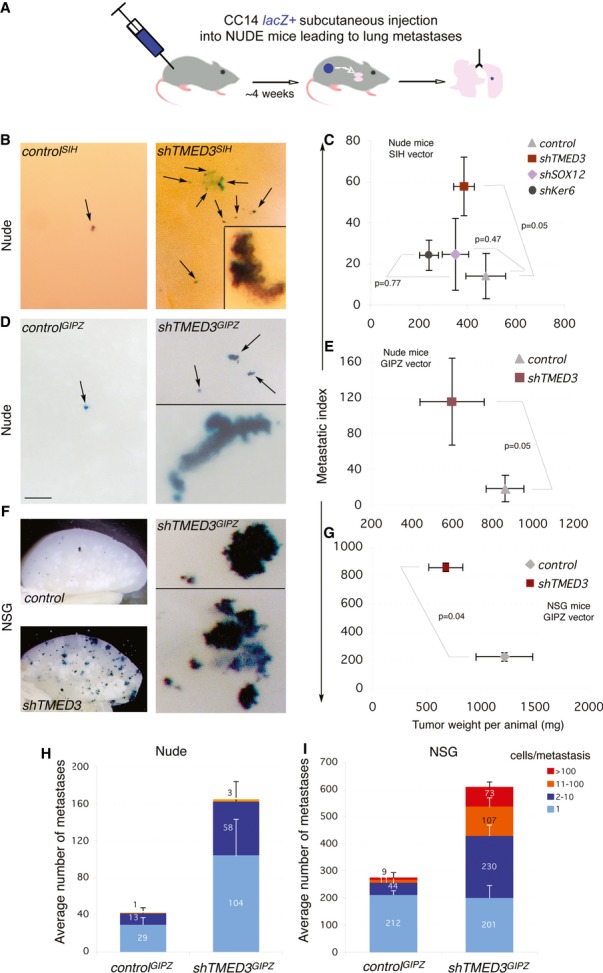
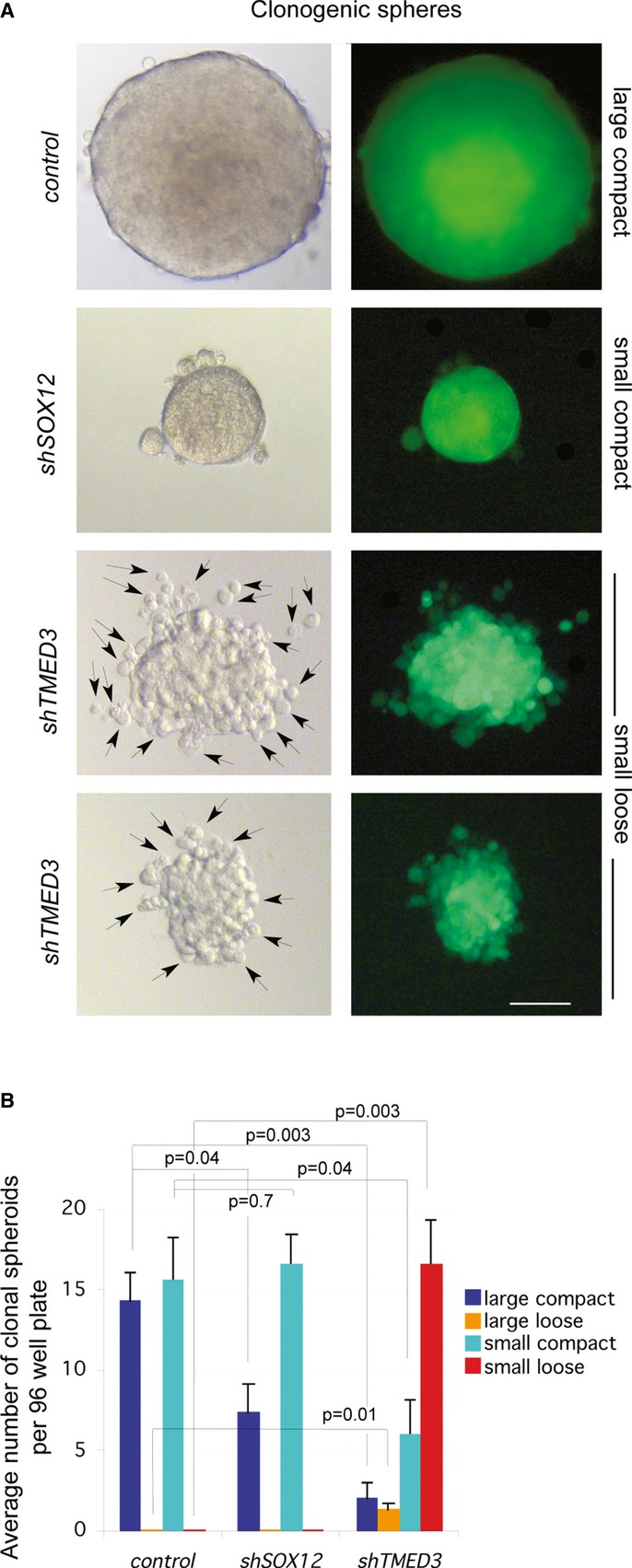
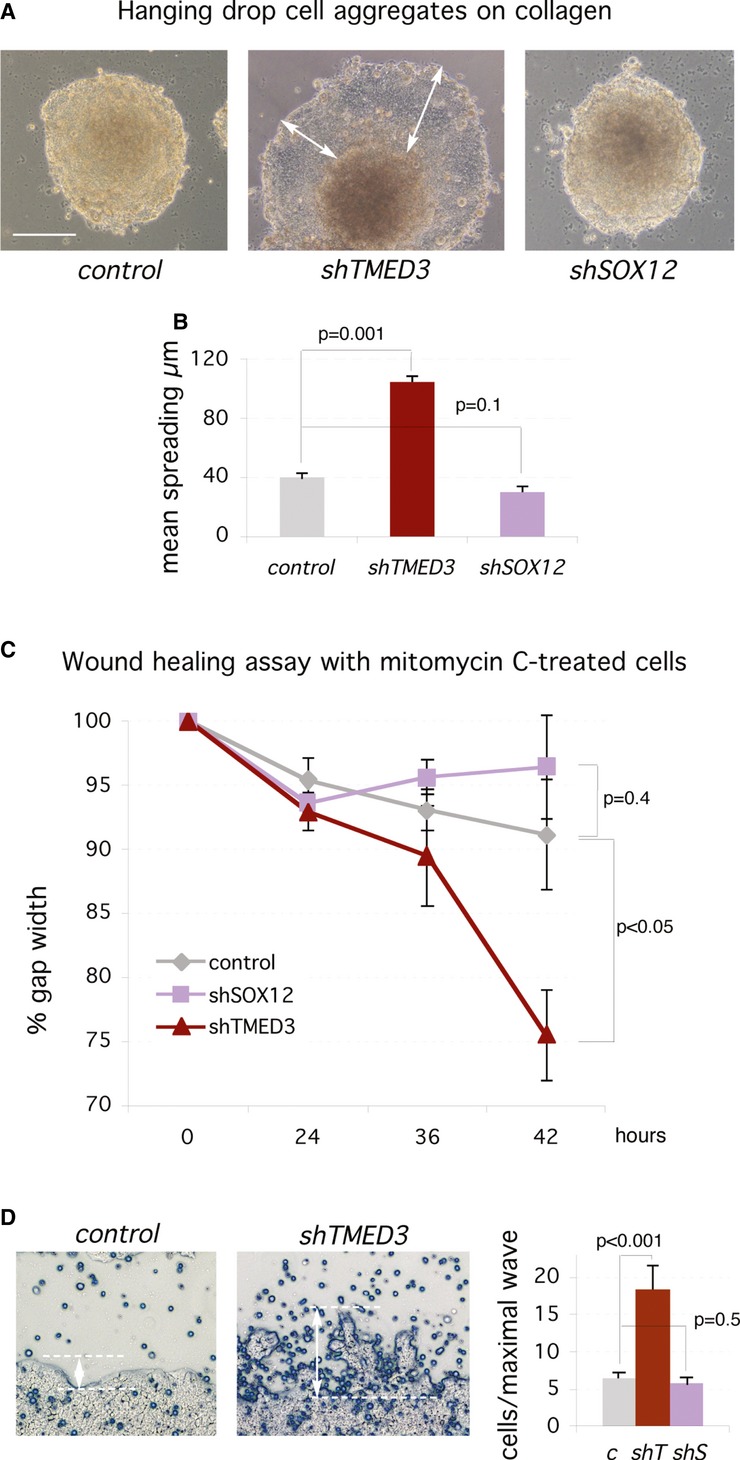
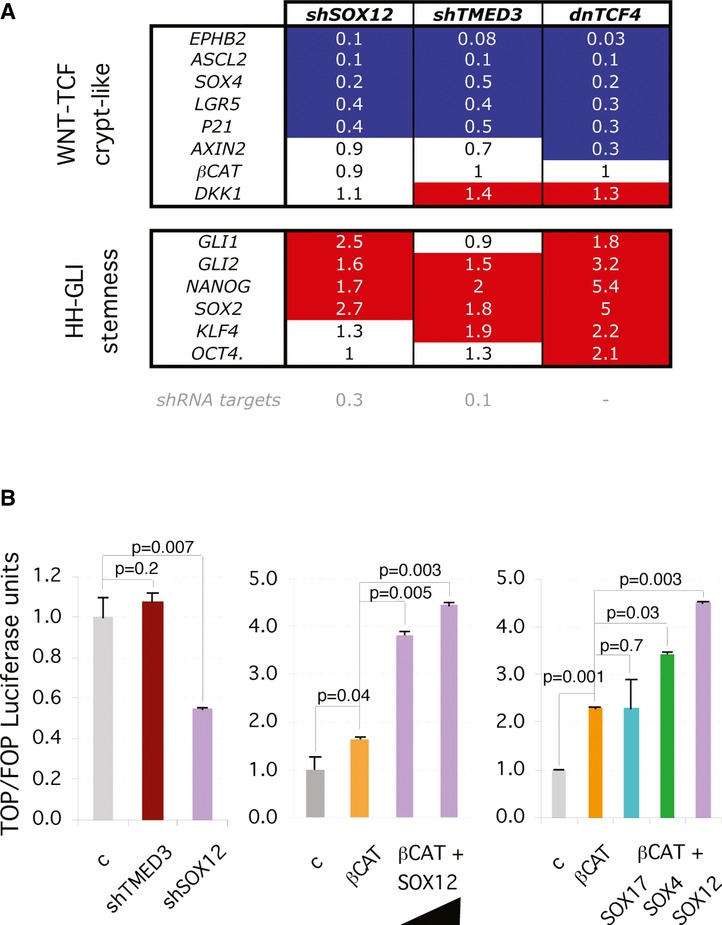
The progression of tumors to the metastatic state involves the loss of metastatic suppressor functions. Finding these, however, is difficult as in vitro assays do not fully predict metastatic behavior, and the majority of studies have used cloned cell lines, which do not reflect primary tumor heterogeneity. Here, we have designed a novel genome-wide screen to identify metastatic suppressors using primary human tumor cells in mice, which allows saturation screens. Using this unbiased approach, we have tested the hypothesis that endogenous colon cancer metastatic suppressors affect WNT-TCF signaling. Our screen has identified two novel metastatic suppressors: TMED3 and SOX12, the knockdown of which increases metastatic growth after direct seeding. Moreover, both modify the type of self-renewing spheroids, but only knockdown of TMED3 also induces spheroid cell spreading and lung metastases from a subcutaneous xenograft. Importantly, whereas TMED3 and SOX12 belong to different families involved in protein secretion and transcriptional regulation, both promote endogenous WNT-TCF activity. Treatments for advanced or metastatic colon cancer may thus not benefit from WNT blockers, and these may promote a worse outcome.
肿瘤进展至转移状态涉及转移抑制功能的丧失。然而,由于体外试验无法完全预测转移行为,且大多数研究使用的是克隆细胞系,无法反映原发性肿瘤的异质性,因此寻找这些转移抑制因子颇具难度。在此,我们设计了一种新型的全基因组筛选方法,利用小鼠体内的原发性人类肿瘤细胞来鉴定转移抑制因子,这种方法能够进行饱和筛选。采用这种无偏差的方法,我们检验了内源性结肠癌转移抑制因子影响WNT-TCF信号传导的假说。我们的筛选鉴定出了两种新型转移抑制因子:TMED3和SOX12,敲低它们会在直接接种后增加转移瘤生长。此外,二者均会改变自我更新球体的类型,但只有敲低TMED3还会诱导球体细胞扩散以及皮下异种移植物发生肺转移。重要的是,尽管TMED3和SOX12属于参与蛋白质分泌和转录调控的不同家族,但二者均能促进内源性WNT-TCF活性。因此,晚期或转移性结肠癌的治疗可能无法从WNT阻滞剂中获益,且这些阻滞剂可能会导致更差的预后。