Yamamoto Ryohei, Ohashi Yukari
Graduate School of Health Sciences, Ibaraki Prefectural University of Health Sciences: 4669-2 Ami, Ami-machi, Inashiki-gun, Ibaraki 300-0394, Japan.
J Phys Ther Sci. 2014 May;26(5):731-5. doi: 10.1589/jpts.26.731. Epub 2014 May 29.
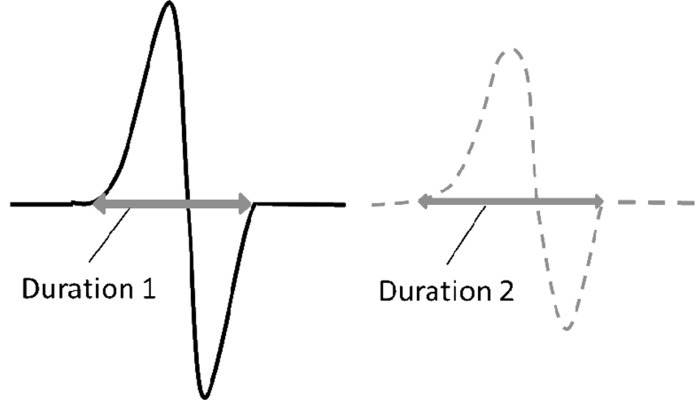
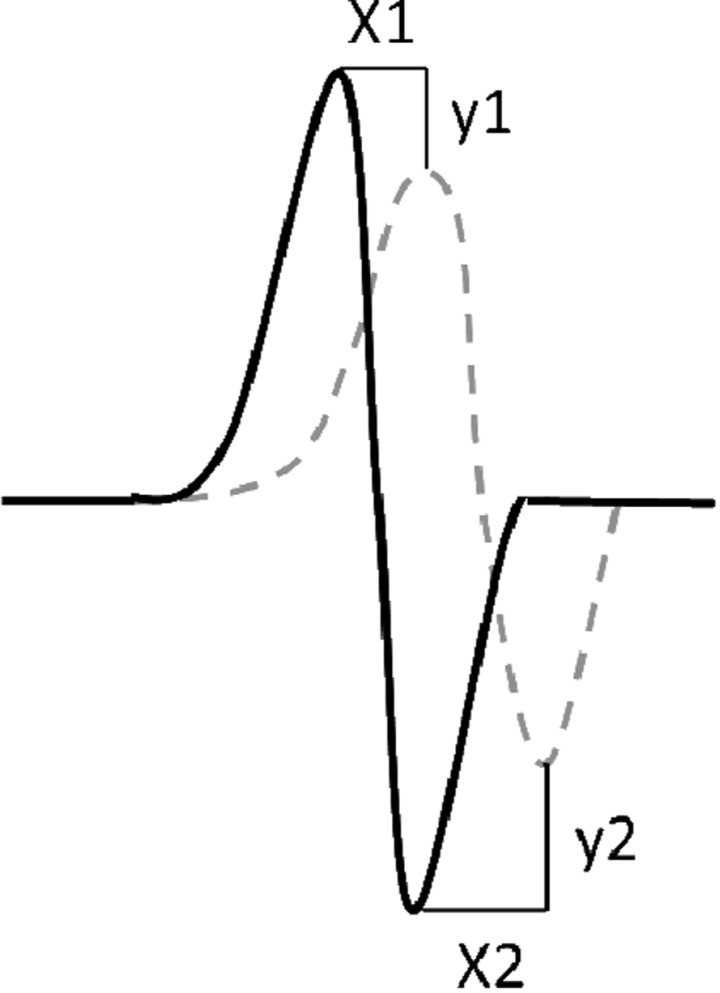
[Purpose] Concurrent feedback is more detrimental for long-term retention of motor skills because learners depend on accessible visual information provided in parallel with movements. However, visual information is not always accessible. Furthermore, the effects of concurrent feedback vary with aspects of the task being performed. We investigated the effects of inaccessible visual feedback used concurrently or terminally, focusing on aspects of movement. [Subjects and Methods] Fourteen subjects were quasi-randomly assigned to either a concurrent feedback group or a terminal feedback group. They practiced a task that involved right shoulder flexion with a specific acceleration. Learning achievements were assessed by measurement of errors in movement duration, peak timing, and strength. [Results] Regarding errors in movement duration, the concurrent feedback group was superior to the terminal feedback group during the midterm and final sessions. Regarding errors in peak timing, learning occurred in the concurrent feedback group, but not in the terminal feedback group because the improvement in performance during practice was inadequate. Regarding errors in peak strength, learning occurred in both groups. [Conclusion] Concurrent visual feedback that is used inaccessibly has learning effects that either equal or surpass those of terminal feedback that is used with inaccessible visual information for all parameters.
[目的] 同步反馈对运动技能的长期保持更具损害性,因为学习者依赖与动作同时提供的可获取视觉信息。然而,视觉信息并非总是可获取的。此外,同步反馈的效果会因所执行任务的不同方面而有所变化。我们研究了不可获取的视觉反馈以同步或终末方式使用时的效果,重点关注动作方面。[对象与方法] 14名受试者被准随机分配到同步反馈组或终末反馈组。他们练习一项涉及以特定加速度进行右肩屈曲的任务。通过测量动作持续时间、峰值时间和力量方面的误差来评估学习成果。[结果] 关于动作持续时间的误差,同步反馈组在中期和末期练习中优于终末反馈组。关于峰值时间的误差,同步反馈组出现了学习效果,而终末反馈组未出现,因为练习期间的表现改善不足。关于峰值力量的误差,两组均出现了学习效果。[结论] 不可获取地使用同步视觉反馈所产生的学习效果,在所有参数方面等同于或超过不可获取视觉信息时使用终末反馈所产生的学习效果。