Nemmar Abderrahim, Albarwani Sulayma, Beegam Sumaya, Yuvaraju Priya, Yasin Javed, Attoub Samir, Ali Badreldin H
Department of Physiology, College of Medicine and Health Sciences, United Arab Emirates University, Al Ain, United Arab Emirates.
Department of Physiology, College of Medicine and Health Sciences, Sultan Qaboos University, Al-Khod, Sultanate of Oman.
Int J Nanomedicine. 2014 Jun 2;9:2779-89. doi: 10.2147/IJN.S52818. eCollection 2014.
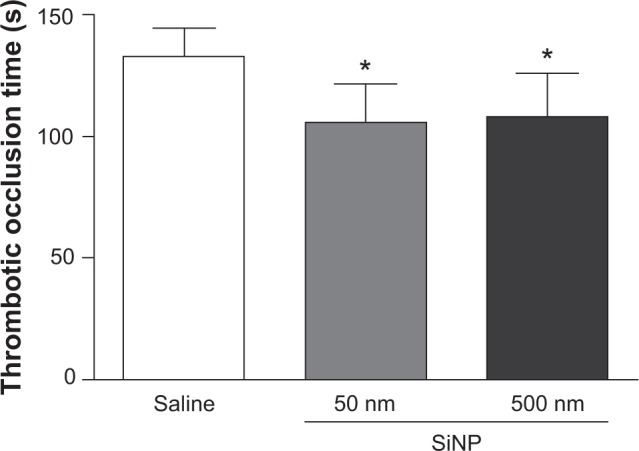
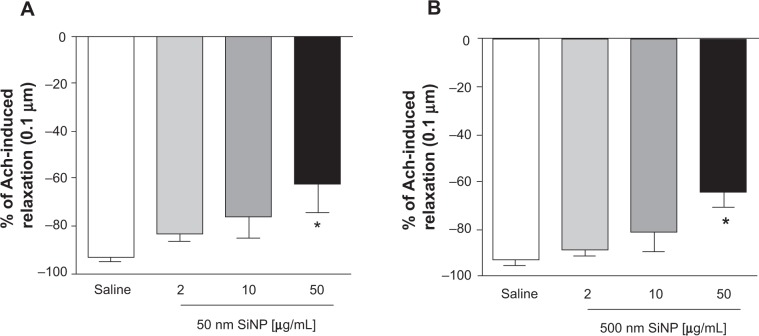
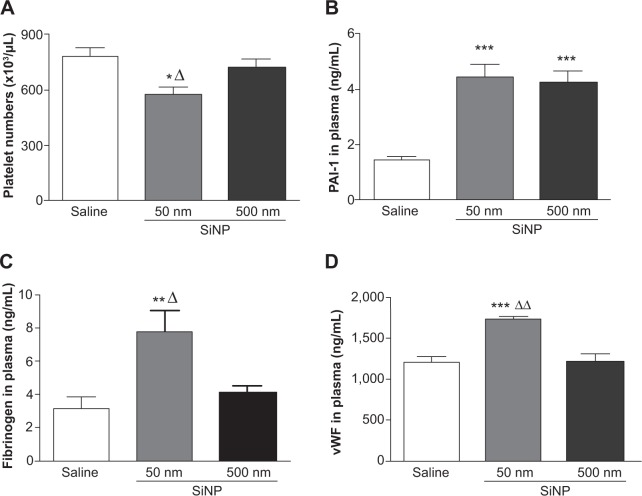
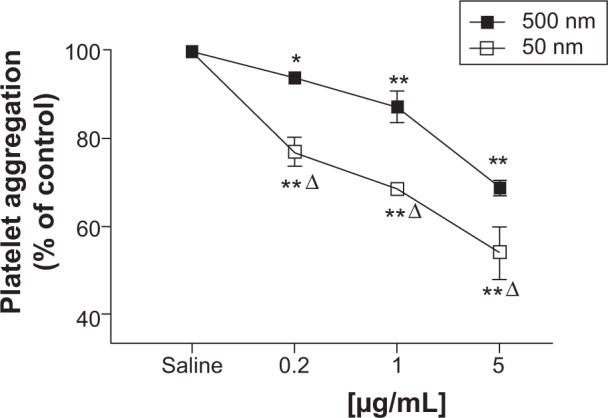
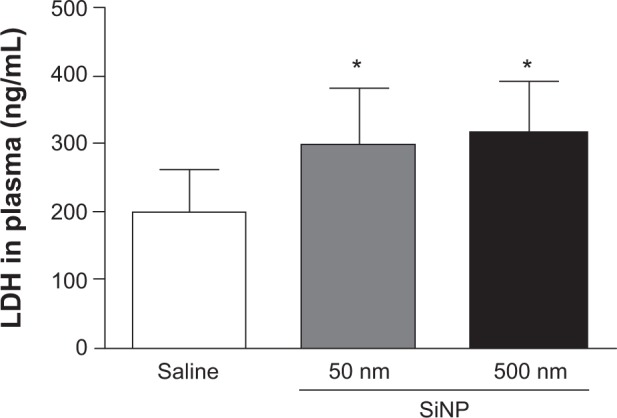
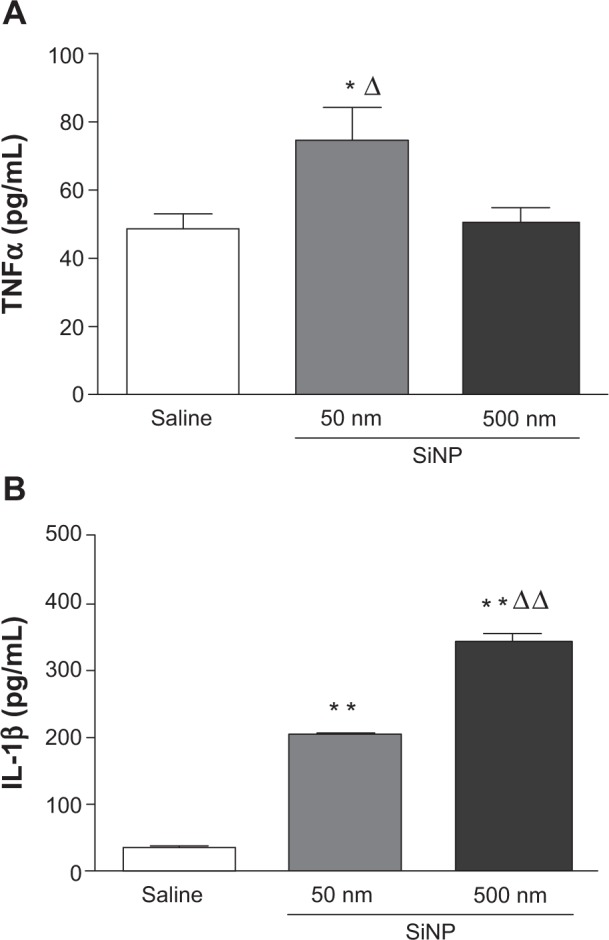
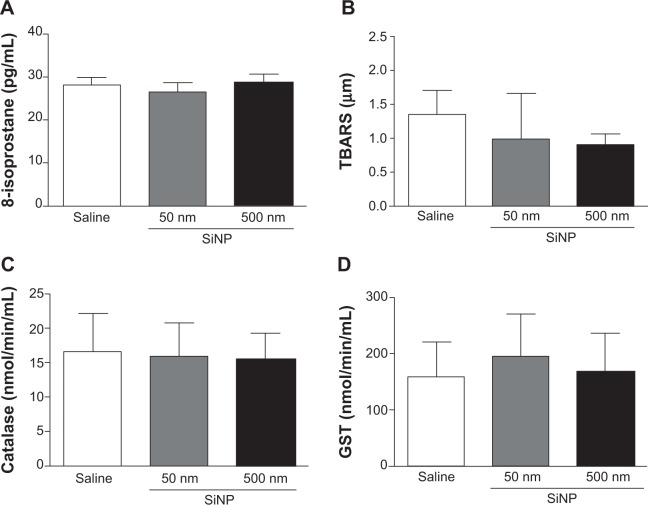
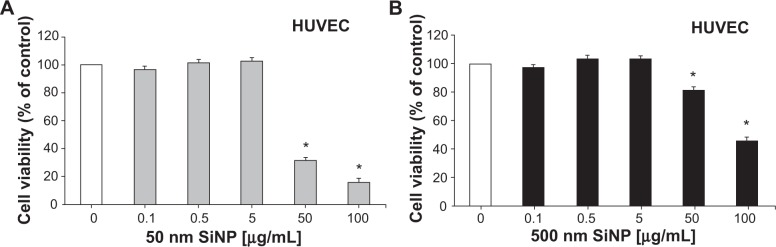
Amorphous silica nanoparticles (SiNPs) are being used in biomedical, pharmaceutical, and many other industrial applications entailing human exposure. However, their potential vascular and systemic pathophysiologic effects are not fully understood. Here, we investigated the acute (24 hours) systemic toxicity of intraperitoneally administered 50 nm and 500 nm SiNPs in mice (0.5 mg/kg). Both sizes of SiNPs induced a platelet proaggregatory effect in pial venules and increased plasma concentration of plasminogen activator inhibitor-1. Elevated plasma levels of von Willebrand factor and fibrinogen and a decrease in the number of circulating platelets were only seen following the administration of 50 nm SiNPs. The direct addition of SiNPs to untreated mouse blood significantly induced in vitro platelet aggregation in a dose-dependent fashion, and these effects were more pronounced with 50 nm SiNPs. Both sizes of SiNPs increased lactate dehydrogenase activity and interleukin 1β concentration. However, tumor necrosis factor α concentration was only increased after the administration of 50 nm SiNPs. Nevertheless, plasma markers of oxidative stress, including 8-isoprostane, thiobarbituric acid reactive substances, catalase, and glutathione S-transferase, were not affected by SiNPs. The in vitro exposure of human umbilical vein endothelial cells to SiNPs showed a reduced cellular viability, and more potency was seen with 50 nm SiNPs. Both sizes of SiNPs caused a decrease in endothelium-dependent relaxation of isolated small mesenteric arteries. We conclude that amorphous SiNPs cause systemic inflammation and coagulation events, and alter vascular reactivity. Overall, the effects observed with 50 nm SiNPs were more pronounced than those with 500 nm SiNPs. These findings provide new insight into the deleterious effect of amorphous SiNPs on vascular homeostasis.
无定形二氧化硅纳米颗粒(SiNPs)正被用于生物医学、制药及许多其他涉及人体接触的工业应用中。然而,它们潜在的血管和全身病理生理效应尚未完全明确。在此,我们研究了腹腔注射50纳米和500纳米SiNPs(0.5毫克/千克)对小鼠的急性(24小时)全身毒性。两种尺寸的SiNPs均在软脑膜小静脉中诱导了血小板促聚集作用,并增加了血浆纤溶酶原激活物抑制剂-1的浓度。仅在注射50纳米SiNPs后,才观察到血管性血友病因子和纤维蛋白原的血浆水平升高以及循环血小板数量减少。将SiNPs直接添加到未处理的小鼠血液中,能以剂量依赖的方式显著诱导体外血小板聚集,且50纳米SiNPs的这些效应更为明显。两种尺寸的SiNPs均增加了乳酸脱氢酶活性和白细胞介素1β浓度。然而,仅在注射50纳米SiNPs后肿瘤坏死因子α浓度才升高。尽管如此,包括8-异前列腺素、硫代巴比妥酸反应性物质、过氧化氢酶和谷胱甘肽S-转移酶在内的氧化应激血浆标志物并未受到SiNPs的影响。人脐静脉内皮细胞在体外暴露于SiNPs时显示细胞活力降低,且50纳米SiNPs的作用更强。两种尺寸的SiNPs均导致离体小肠系膜小动脉的内皮依赖性舒张功能降低。我们得出结论,无定形SiNPs会引起全身炎症和凝血事件,并改变血管反应性。总体而言,50纳米SiNPs观察到的效应比500纳米SiNPs更为明显。这些发现为无定形SiNPs对血管稳态的有害作用提供了新的见解。