Bouton Mark E
University of Vermont, USA.
Prev Med. 2014 Nov;68:29-36. doi: 10.1016/j.ypmed.2014.06.010. Epub 2014 Jun 15.
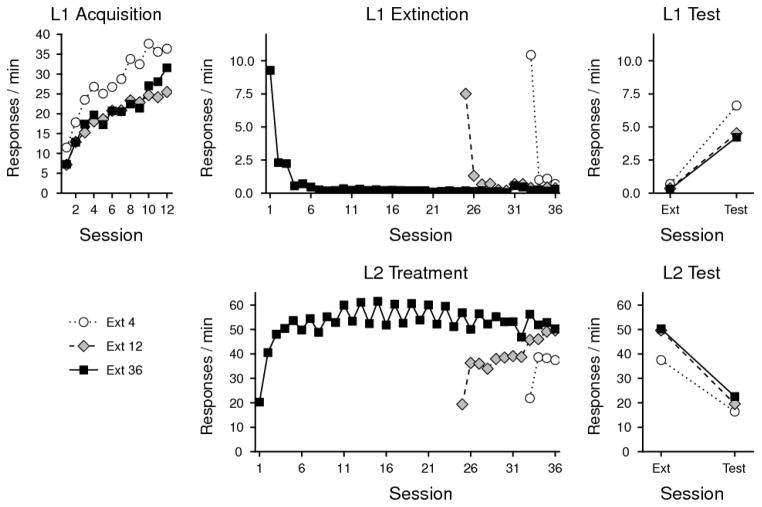
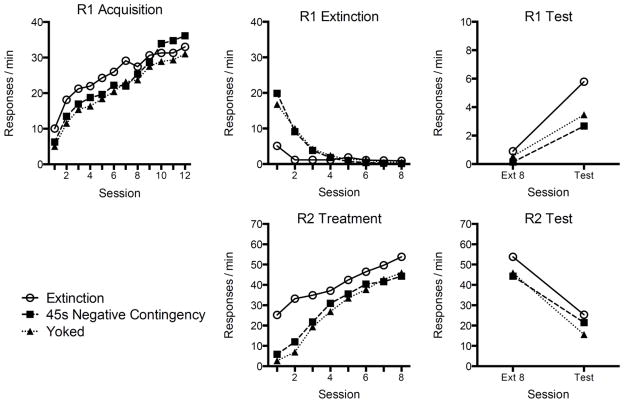
Unhealthy behavior is responsible for much human disease, and a common goal of contemporary preventive medicine is therefore to encourage behavior change. However, while behavior change often seems easy in the short run, it can be difficult to sustain. This article provides a selective review of research from the basic learning and behavior laboratory that provides some insight into why. The research suggests that methods used to create behavior change (including extinction, counterconditioning, punishment, reinforcement of alternative behavior, and abstinence reinforcement) tend to inhibit, rather than erase, the original behavior. Importantly, the inhibition, and thus behavior change more generally, is often specific to the "context" in which it is learned. In support of this view, the article discusses a number of lapse and relapse phenomena that occur after behavior has been changed (renewal, spontaneous recovery, reinstatement, rapid reacquisition, and resurgence). The findings suggest that changing a behavior can be an inherently unstable and unsteady process; frequent lapses should be expected. In the long run, behavior-change therapies might benefit from paying attention to the context in which behavior change occurs.
不健康行为是许多人类疾病的根源,因此当代预防医学的一个共同目标是鼓励行为改变。然而,虽然行为改变在短期内往往看似容易,但要维持下去却可能很困难。本文对基础学习与行为实验室的研究进行了选择性综述,以深入了解其中的原因。研究表明,用于促成行为改变的方法(包括消退、对抗条件作用、惩罚、替代行为强化和禁欲强化)往往会抑制而非消除原始行为。重要的是,这种抑制作用,进而更普遍的行为改变,通常特定于学习该行为的“情境”。为支持这一观点,本文讨论了行为改变后出现的一些失误和复发现象(恢复、自发恢复、复现、快速重新习得和再现)。研究结果表明,改变行为可能是一个本质上不稳定且不稳固的过程;应预料到会频繁出现失误。从长远来看,行为改变疗法可能会因关注行为改变发生的情境而受益。