Skoglund Pontus, Sjödin Per, Skoglund Tobias, Lascoux Martin, Jakobsson Mattias
Department of Evolutionary Biology, Uppsala University, Uppsala, Sweden
Department of Evolutionary Biology, Uppsala University, Uppsala, Sweden.
Mol Biol Evol. 2014 Sep;31(9):2516-27. doi: 10.1093/molbev/msu192. Epub 2014 Jun 17.
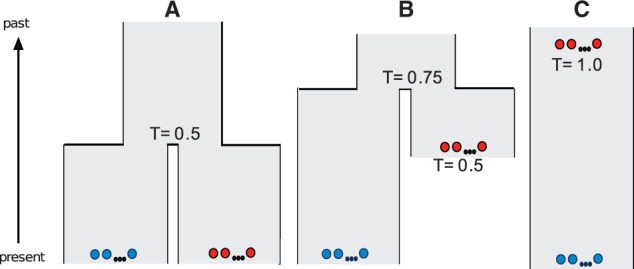
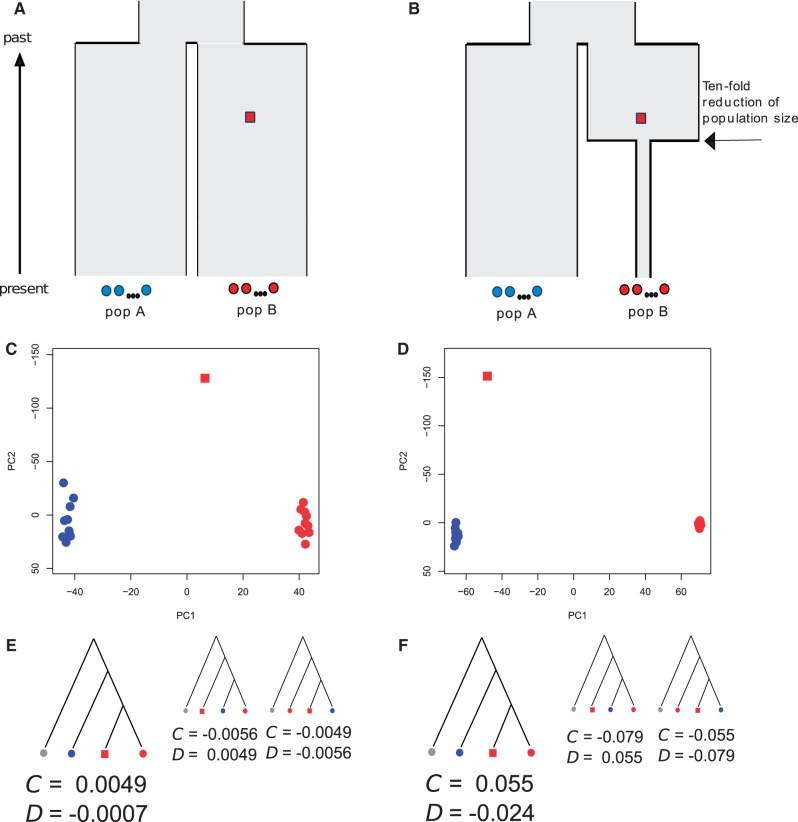
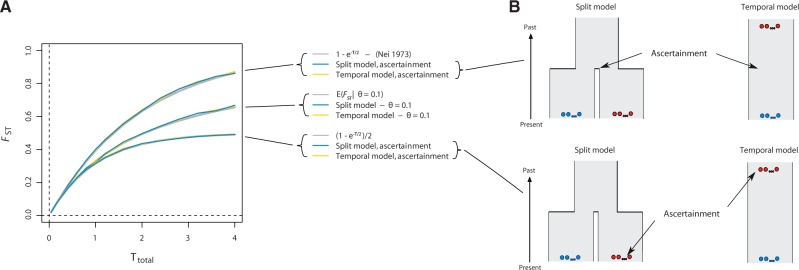
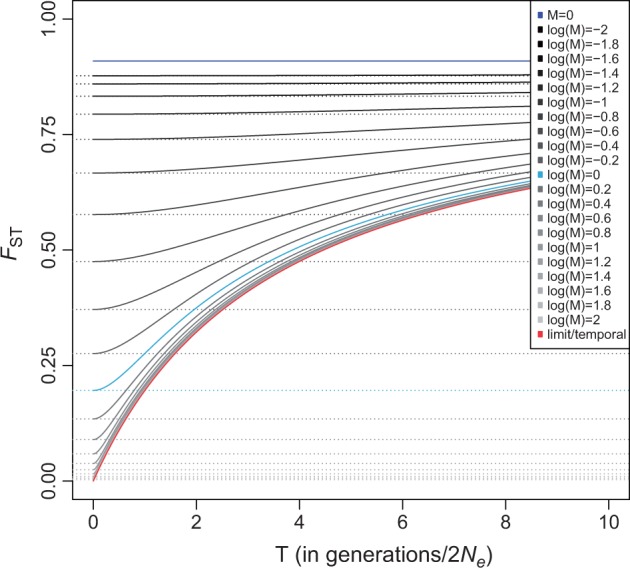
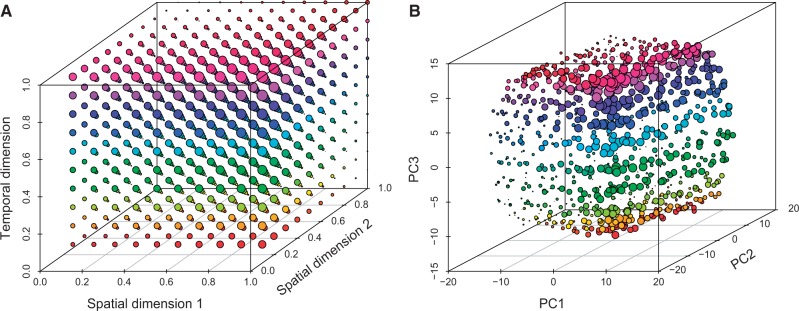
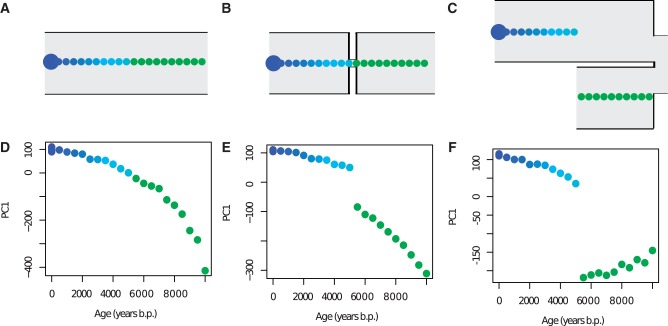
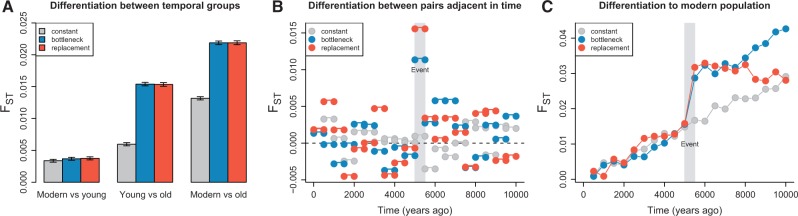
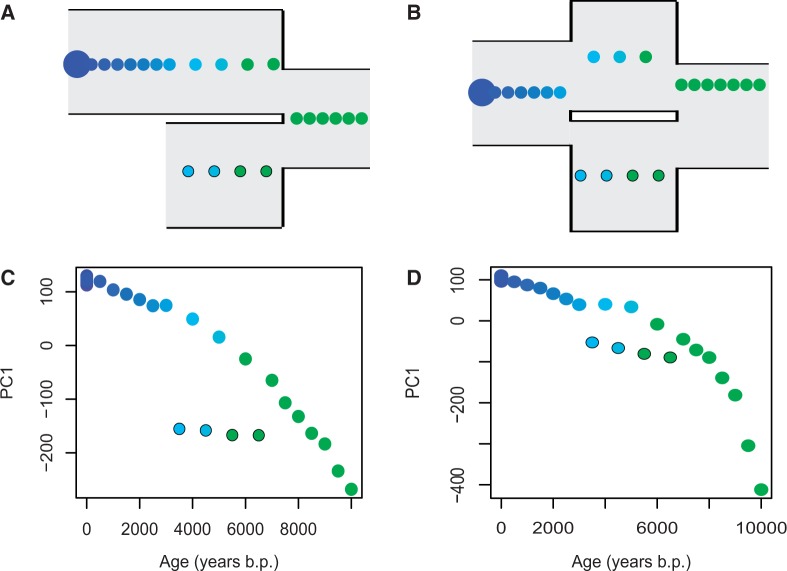
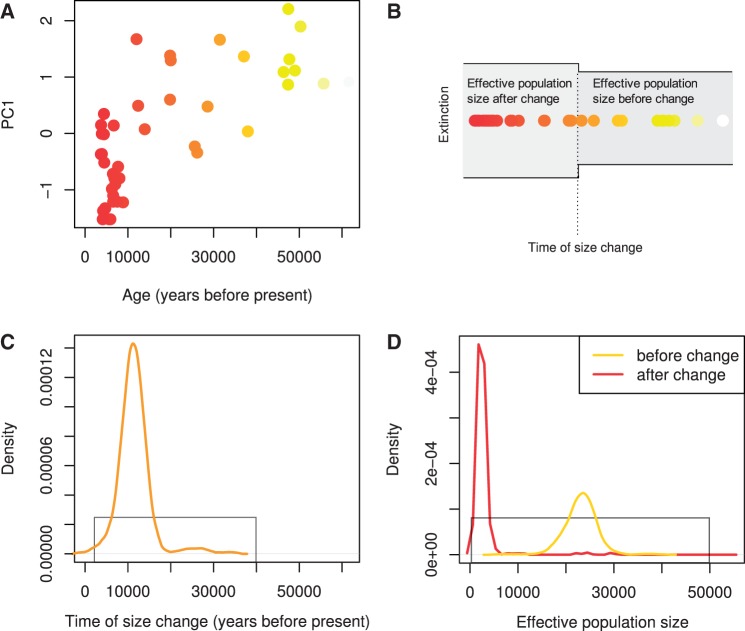
The rapid advance of sequencing technology, coupled with improvements in molecular methods for obtaining genetic data from ancient sources, holds the promise of producing a wealth of genomic data from time-separated individuals. However, the population-genetic properties of time-structured samples have not been extensively explored. Here, we consider the implications of temporal sampling for analyses of genetic differentiation and use a temporal coalescent framework to show that complex historical events such as size reductions, population replacements, and transient genetic barriers between populations leave a footprint of genetic differentiation that can be traced through history using temporal samples. Our results emphasize explicit consideration of the temporal structure when making inferences and indicate that genomic data from ancient individuals will greatly increase our ability to reconstruct population history.
测序技术的迅速发展,再加上从古代样本中获取遗传数据的分子方法的改进,有望从不同时期的个体中产生大量基因组数据。然而,时间结构化样本的群体遗传特性尚未得到广泛研究。在这里,我们考虑了时间采样对遗传分化分析的影响,并使用时间溯祖框架表明,诸如种群数量减少、种群替代以及种群间短暂的遗传屏障等复杂历史事件会留下遗传分化的印记,利用时间样本可以追溯历史。我们的结果强调在进行推断时要明确考虑时间结构,并表明来自古代个体的基因组数据将大大提高我们重建种群历史的能力。