Portune Kevin J, Pérez M Carmen, Álvarez-Hornos F Javier, Gabaldón Carmen
Research Group GI2AM, Department of Chemical Engineering, Universitat de València, Av. de la Universidad s/n, 46100, Burjassot, Spain,
Appl Microbiol Biotechnol. 2015 Jan;99(1):3-18. doi: 10.1007/s00253-014-5868-3. Epub 2014 Jun 21.
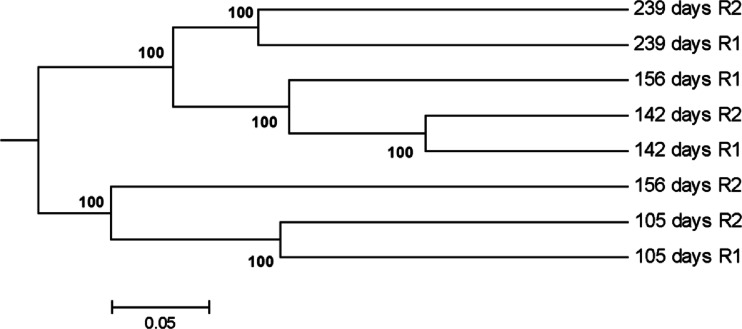
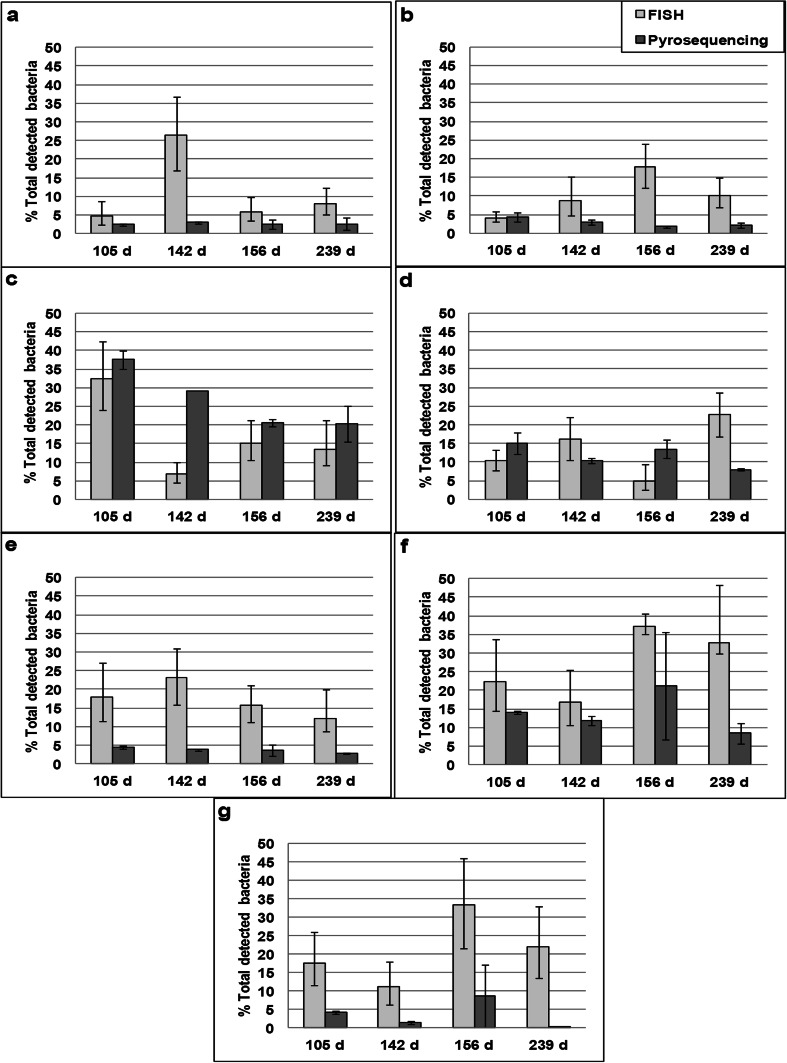
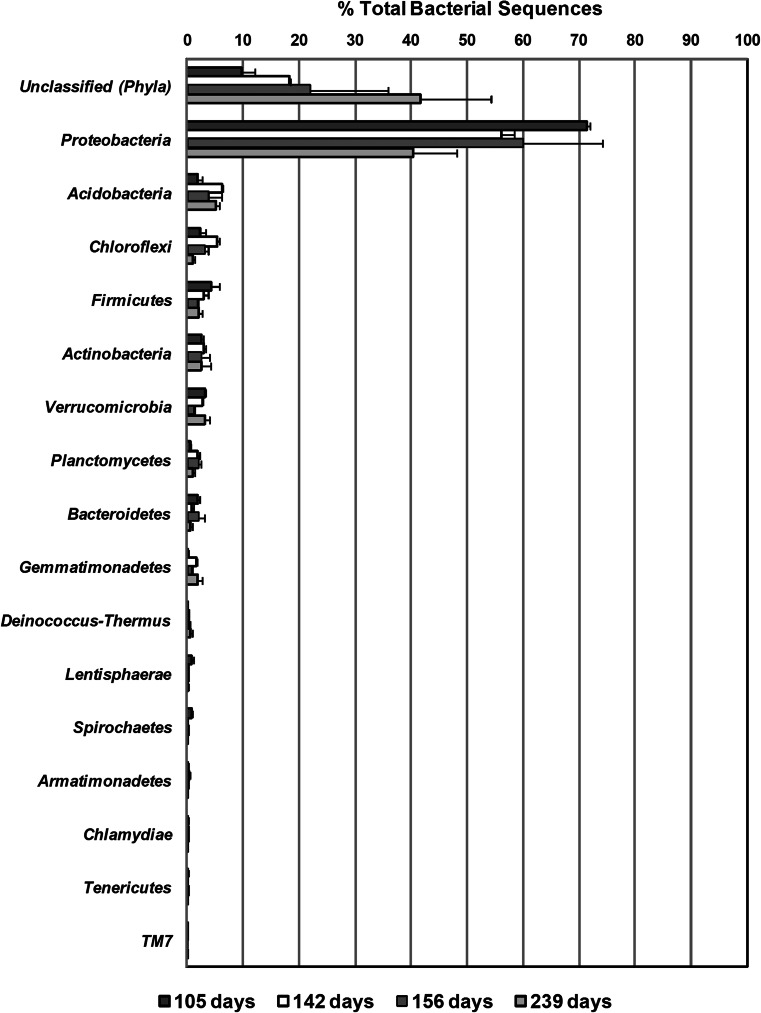
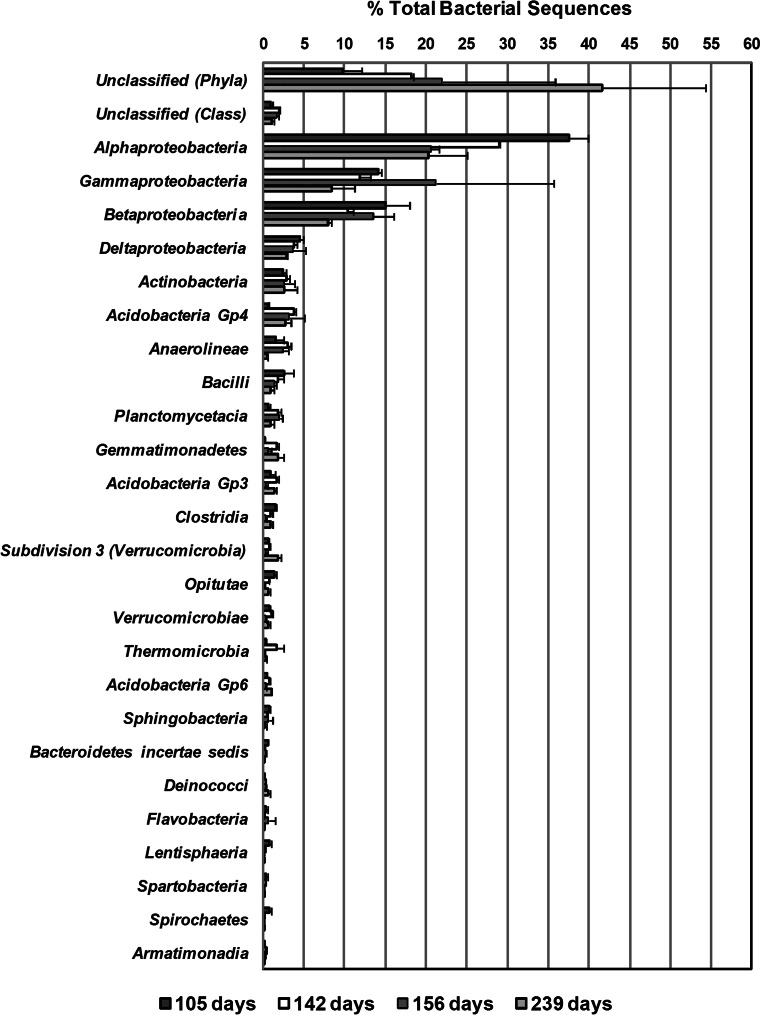
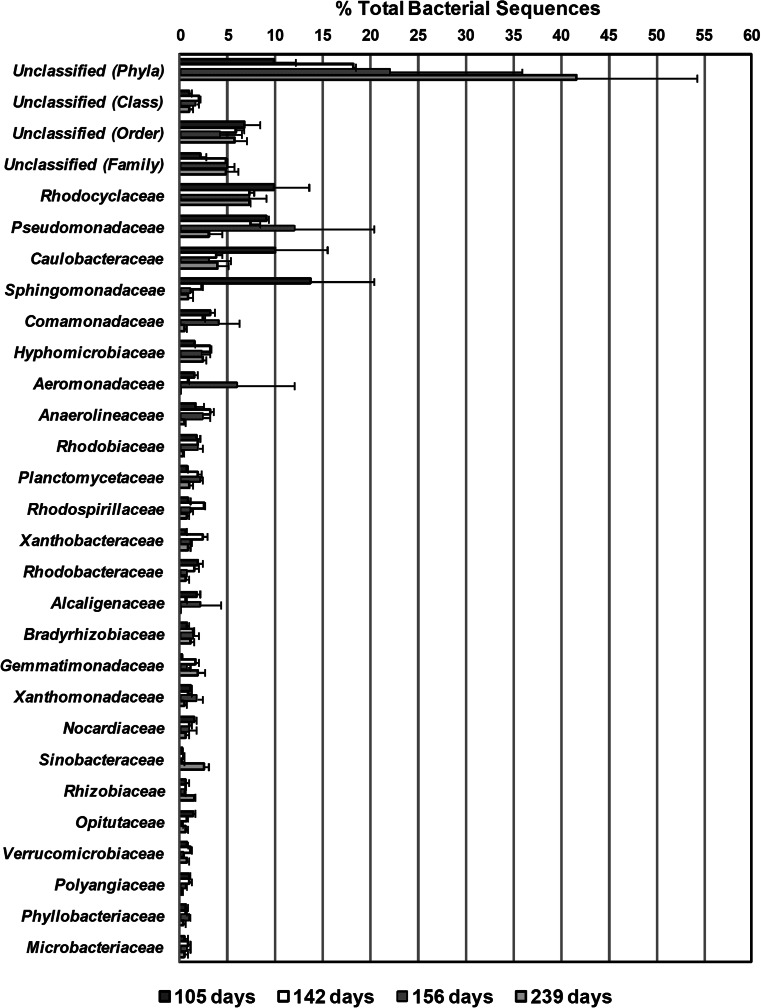
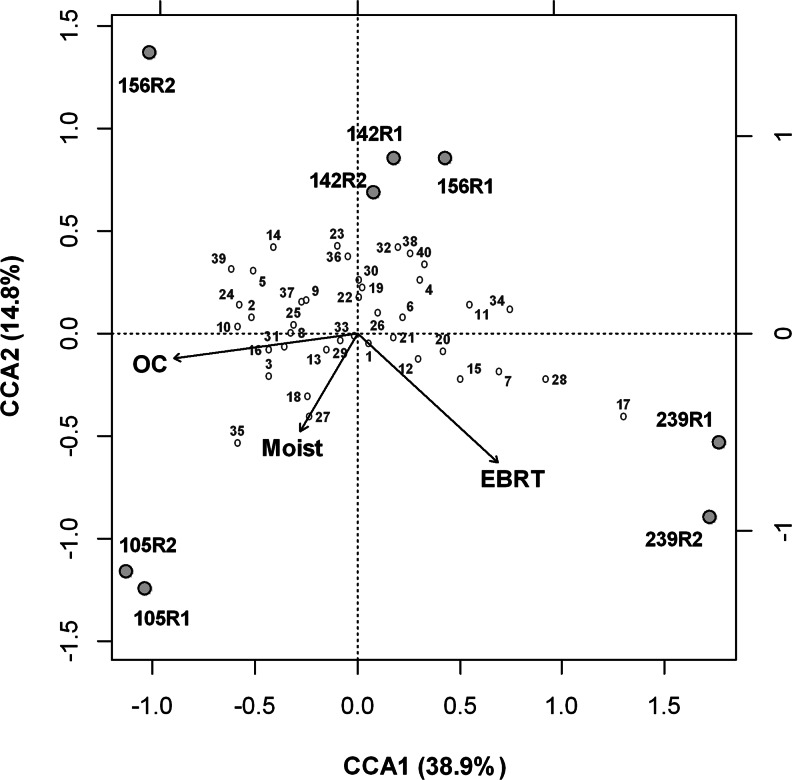
Microbial biofilms are essential components in the elimination of pollutants within biofilters, yet still little is known regarding the complex relationships between microbial community structure and biodegradation function within these engineered ecosystems. To further explore this relationship, 16S rDNA tag pyrosequencing was applied to samples taken at four time points from a styrene-degrading biofilter undergoing variable operating conditions. Changes in microbial structure were observed between different stages of biofilter operation, and the level of styrene concentration was revealed to be a critical factor affecting these changes. Bacterial genera Azoarcus and Pseudomonas were among the dominant classified genera in the biofilter. Canonical correspondence analysis (CCA) and correlation analysis revealed that the genera Brevundimonas, Hydrogenophaga, and Achromobacter may play important roles in styrene degradation under increasing styrene concentrations. No significant correlations (P > 0.05) could be detected between biofilter operational/functional parameters and biodiversity measurements, although biological heterogeneity within biofilms and/or technical variability within pyrosequencing may have considerably affected these results. Percentages of selected bacterial taxonomic groups detected by fluorescence in situ hybridization (FISH) were compared to results from pyrosequencing in order to assess the effectiveness and limitations of each method for identifying each microbial taxon. Comparison of results revealed discrepancies between the two methods in the detected percentages of numerous taxonomic groups. Biases and technical limitations of both FISH and pyrosequencing, such as the binding of FISH probes to non-target microbial groups and lack of classification of sequences for defined taxonomic groups from pyrosequencing, may partially explain some differences between the two methods.
微生物生物膜是生物滤池中污染物去除的重要组成部分,但对于这些工程生态系统中微生物群落结构与生物降解功能之间的复杂关系,人们仍然知之甚少。为了进一步探究这种关系,对处于不同运行条件下的苯乙烯降解生物滤池在四个时间点采集的样本进行了16S rDNA标签焦磷酸测序。观察到生物滤池运行不同阶段微生物结构的变化,并且苯乙烯浓度水平被揭示为影响这些变化的关键因素。细菌属偶氮弧菌属和假单胞菌属是生物滤池中主要的分类属。典范对应分析(CCA)和相关性分析表明,在苯乙烯浓度增加的情况下,短波单胞菌属、嗜氢菌属和无色杆菌属可能在苯乙烯降解中发挥重要作用。尽管生物膜内的生物异质性和/或焦磷酸测序中的技术变异性可能对这些结果有相当大的影响,但在生物滤池运行/功能参数与生物多样性测量之间未检测到显著相关性(P>0.05)。通过荧光原位杂交(FISH)检测的选定细菌分类群的百分比与焦磷酸测序结果进行比较,以评估每种方法识别每个微生物分类群的有效性和局限性。结果比较显示,两种方法在众多分类群的检测百分比上存在差异。FISH和焦磷酸测序的偏差和技术局限性,例如FISH探针与非目标微生物群的结合以及焦磷酸测序中未对确定分类群的序列进行分类,可能部分解释了两种方法之间的一些差异。