Mateescu Anca, Wang Yi, Dostalek Jakub, Jonas Ulrich
Foundation for Research and Technology-Hellas (FORTH), Institute of Electronic Structure & Laser (IESL), Bio-Organic Materials Chemistry Laboratory (BOMCLab), Nikolaou Plastira 100, Vassilika Vouton, Heraklion 71110, Crete, Greece.
AIT Austrian Institute of Technology GmbH, Muthgasse 11, Vienna 1190, Austria.
Membranes (Basel). 2012 Feb 8;2(1):40-69. doi: 10.3390/membranes2010040.
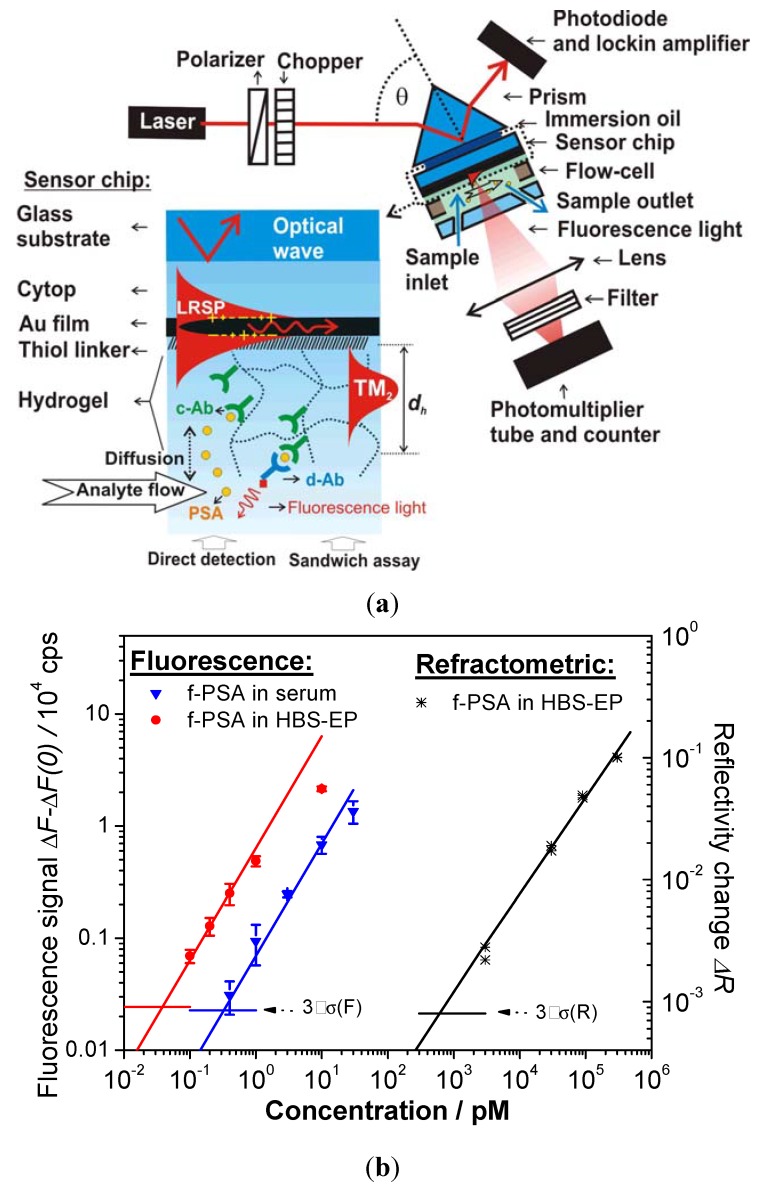
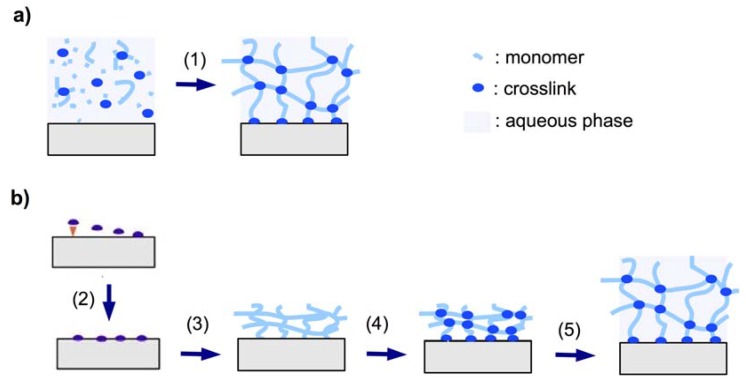
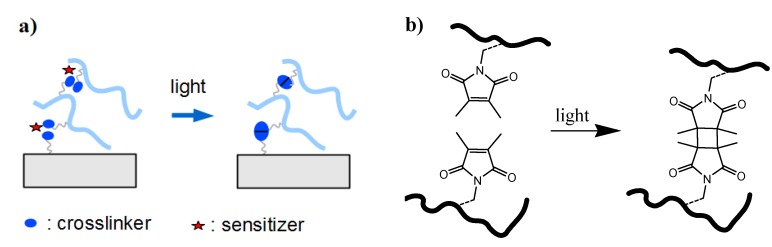
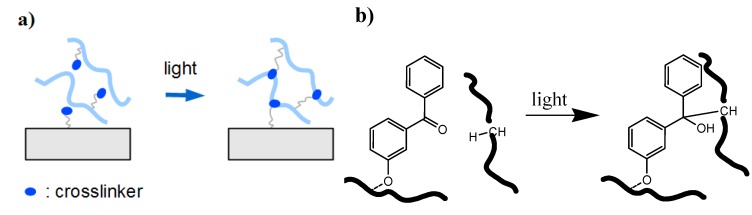
Hydrogel materials consisting of water-swollen polymer networks exhibit a large number of specific properties highly attractive for a variety of optical biosensor applications. This properties profile embraces the aqueous swelling medium as the basis of biocompatibility, non-fouling behavior, and being not cell toxic, while providing high optical quality and transparency. The present review focuses on some of the most interesting aspects of surface-attached hydrogel films as active binding matrices in optical biosensors based on surface plasmon resonance and optical waveguide mode spectroscopy. In particular, the chemical nature, specific properties, and applications of such hydrogel surface architectures for highly sensitive affinity biosensors based on evanescent wave optics are discussed. The specific class of responsive hydrogel systems, which can change their physical state in response to externally applied stimuli, have found large interest as sophisticated materials that provide a complex behavior to hydrogel-based sensing devices.
由水溶胀聚合物网络组成的水凝胶材料展现出大量对各种光学生物传感器应用极具吸引力的特殊性质。这种性质概况包括以水作为生物相容性、抗污行为以及无细胞毒性的基础,同时具备高光学质量和透明度。本综述聚焦于表面附着水凝胶薄膜作为基于表面等离子体共振和光波导模式光谱的光学生物传感器中的活性结合基质的一些最有趣的方面。特别地,讨论了这种用于基于倏逝波光光学的高灵敏度亲和生物传感器的水凝胶表面结构的化学性质、特殊性质及应用。一类特殊的响应性水凝胶系统,能够响应外部施加的刺激而改变其物理状态,作为为基于水凝胶的传感装置提供复杂行为的精密材料而备受关注。