Koch Sabine C
SRH University Heidelberg Heidelberg, Germany ; University of Heidelberg Heidelberg, Germany.
Front Psychol. 2014 Jun 10;5:537. doi: 10.3389/fpsyg.2014.00537. eCollection 2014.
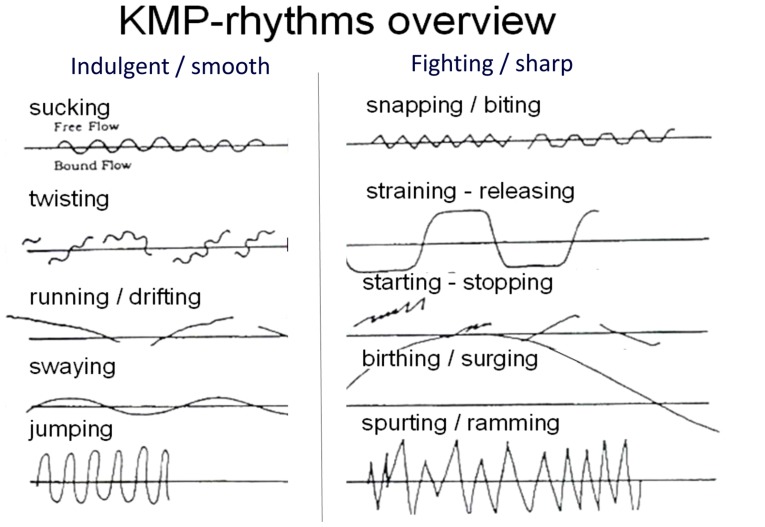
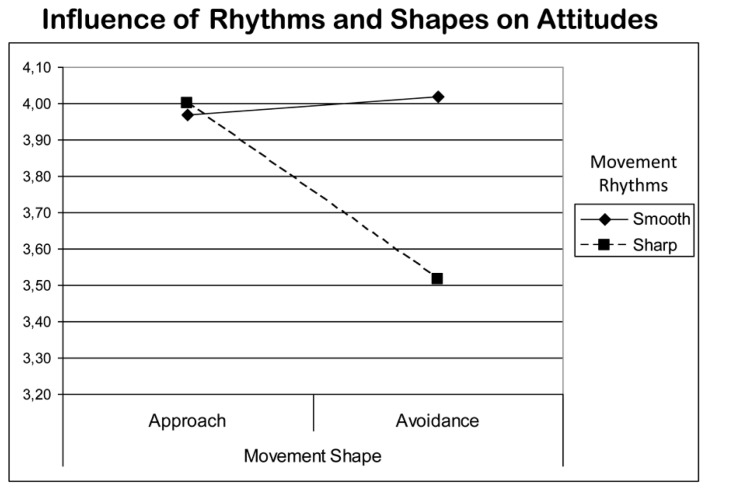
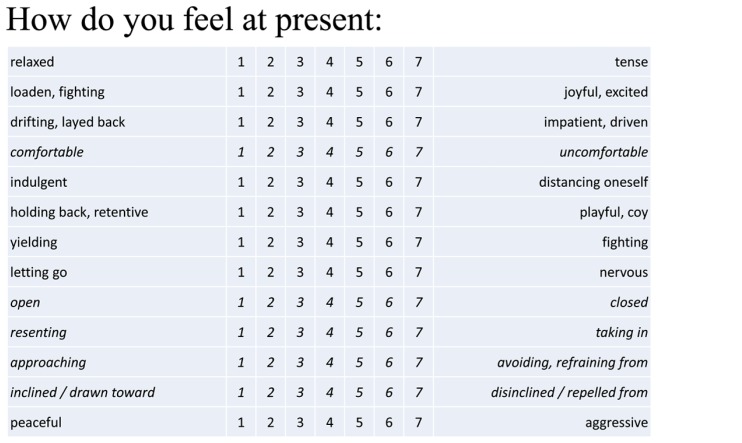
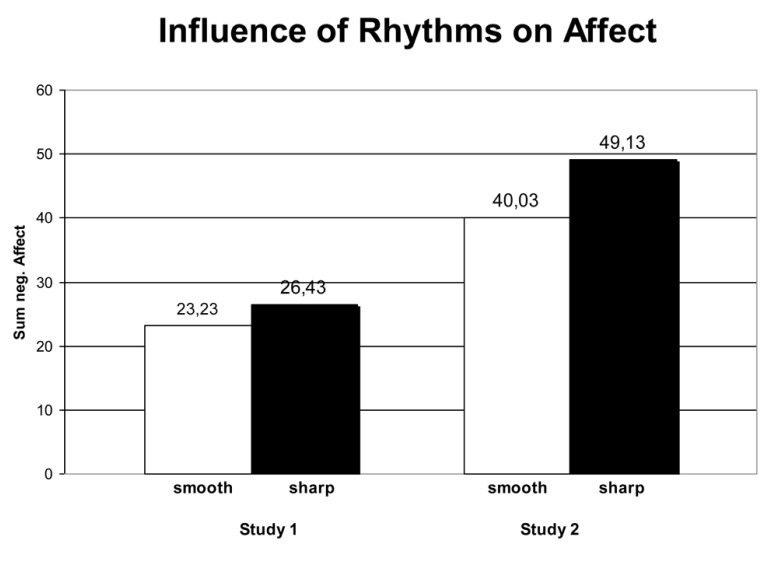
Body feedback is the proprioceptive feedback that denominates the afferent information from position and movement of the body to the central nervous system. It is crucial in experiencing emotions, in forming attitudes and in regulating emotions and behavior. This paper investigates effects of dynamic body feedback on affect and attitudes, focusing on the impact of movement rhythms with smooth vs. sharp reversals as one basic category of movement qualities. It relates those qualities to already explored effects of approach vs. avoidance motor behavior as one basic category of movement shape. Studies 1 and 2 tested the effects of one of two basic movement qualities (smooth vs. sharp rhythms) on affect and cognition. The third study tested those movement qualities in combination with movement shape (approach vs. avoidance motor behavior) and the effects of those combinations on affect and attitudes toward initially valence-free stimuli. Results suggest that movement rhythms influence affect (studies 1 and 2), and attitudes (study 3), and moderate the impact of approach and avoidance motor behavior on attitudes (study 3). Extending static body feedback research with a dynamic account, findings indicate that movement qualities - next to movement shape - play an important role, when movement of the lived body is an independent variable.
身体反馈是一种本体感受反馈,指身体的位置和运动向中枢神经系统传入的信息。它在情感体验、态度形成以及情绪和行为调节方面至关重要。本文研究动态身体反馈对情感和态度的影响,重点关注运动节奏中平滑与急剧反转这一运动质量的基本类别所产生的影响。它将这些质量与已探索的趋近与回避运动行为这一运动形式的基本类别所产生的影响联系起来。研究1和研究2测试了两种基本运动质量(平滑节奏与急剧节奏)之一对情感和认知的影响。第三个研究测试了这些运动质量与运动形式(趋近与回避运动行为)的组合以及这些组合对情感和对初始无正负价刺激的态度的影响。结果表明,运动节奏会影响情感(研究1和研究2)和态度(研究3),并调节趋近和回避运动行为对态度的影响(研究3)。通过动态视角扩展静态身体反馈研究,结果表明,当活体的运动作为自变量时,运动质量——与运动形式一样——起着重要作用。