Tang Liang-De, Wang Xing-Min, Jin Feng-Liang, Qiu Bao-Li, Wu Jian-Hui, Ren Shun-Xiang
Engineering Research Center of Biological Control, Ministry of Education, College of Natural Resource and Environment, South China Agricultural University, Guangzhou, China; Environment and Plant Protection Institute, Chinese Academy of Tropical Agriculture, Haikou, China.
Engineering Research Center of Biological Control, Ministry of Education, College of Natural Resource and Environment, South China Agricultural University, Guangzhou, China.
PLoS One. 2014 Jun 24;9(6):e100946. doi: 10.1371/journal.pone.0100946. eCollection 2014.
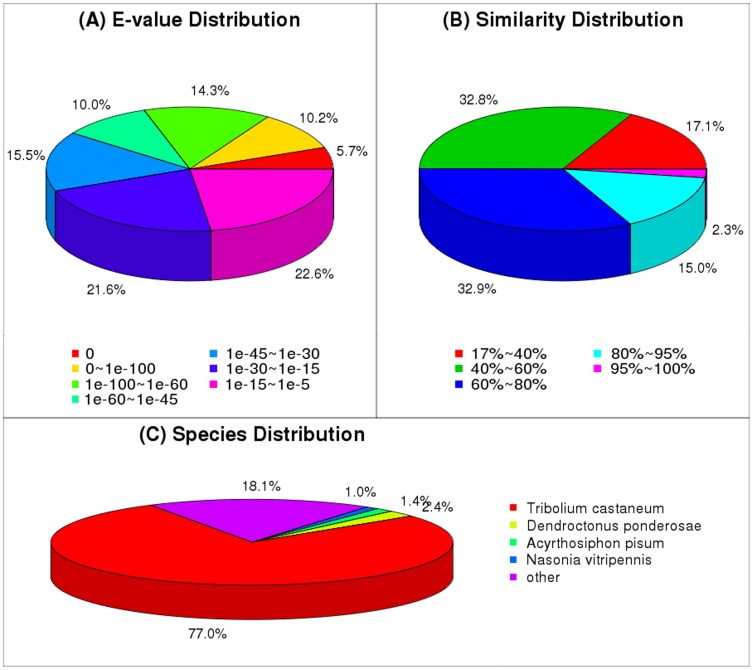
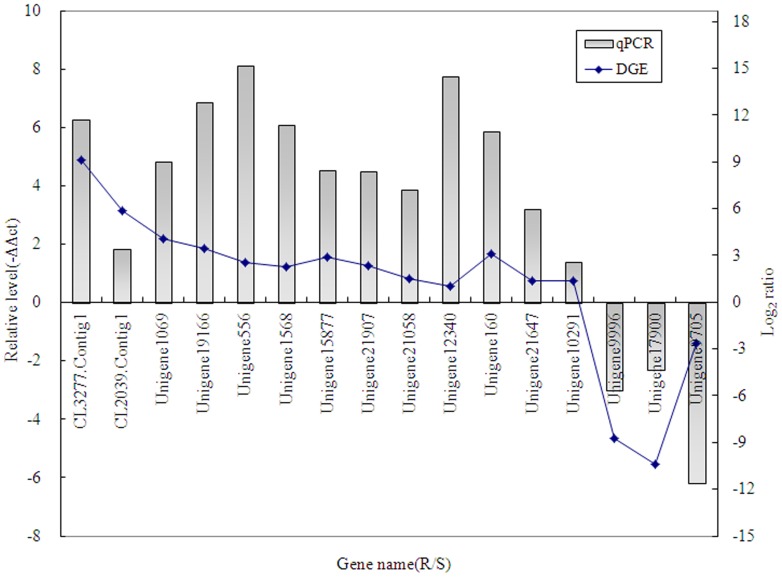
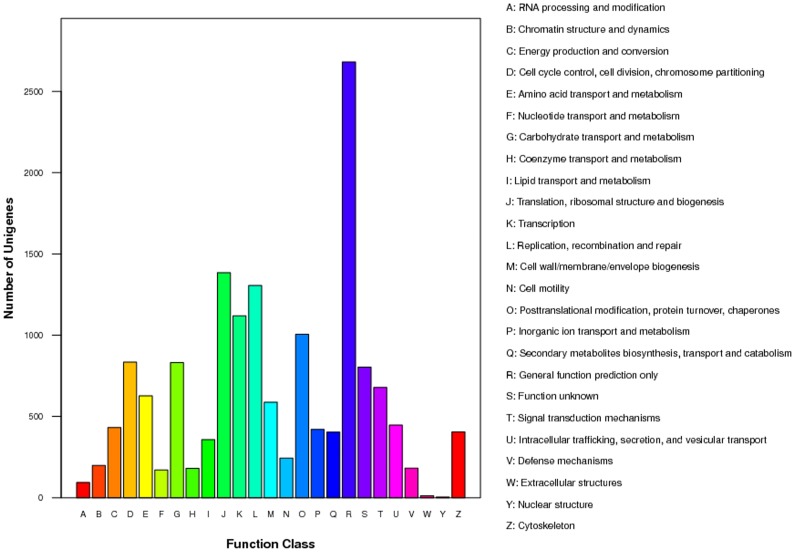
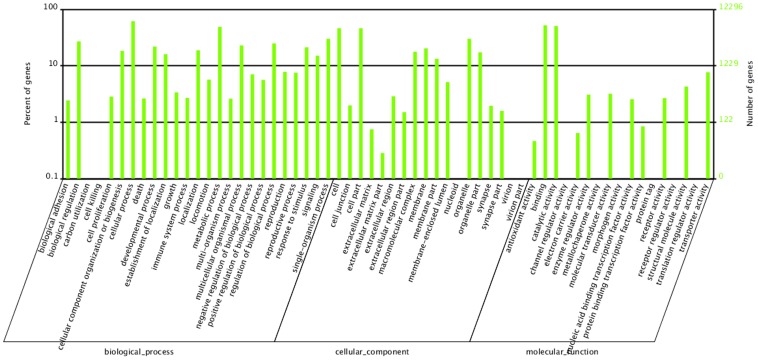
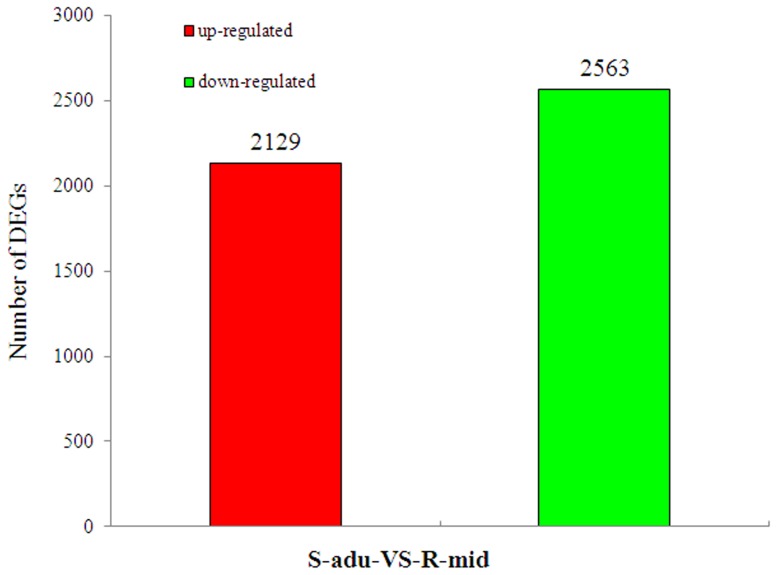
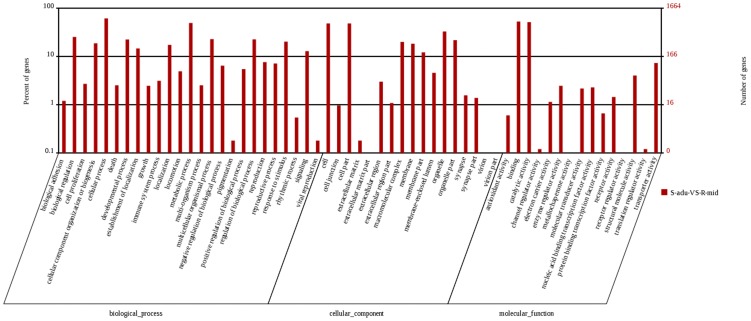
The ladybird Propylaea japonica (Thunberg) is one of most important natural enemies of aphids in China. This species is threatened by the extensive use of insecticides but genomics-based information on the molecular mechanisms underlying insecticide resistance is limited. Hence, we analyzed the transcriptome and expression profile data of P. japonica in order to gain a deeper understanding of insecticide resistance in ladybirds. We performed de novo assembly of a transcriptome using Illumina's Solexa sequencing technology and short reads. A total of 27,243,552 reads were generated. These were assembled into 81,458 contigs and 33,647 unigenes (6,862 clusters and 26,785 singletons). Of the unigenes, 23,965 (71.22%) have putative homologues in the non-redundant (nr) protein database from NCBI, using BLASTX, with a cut-off E-value of 10(-5). We examined COG, GO and KEGG annotations to better understand the functions of these unigenes. Digital gene expression (DGE) libraries showed differences in gene expression profiles between two insecticide resistant strains. When compared with an insecticide susceptible profile, a total of 4,692 genes were significantly up- or down- regulated in a moderately resistant strain. Among these genes, 125 putative insecticide resistance genes were identified. To confirm the DGE results, 16 selected genes were validated using quantitative real time PCR (qRT-PCR). This study is the first to report genetic information on P. japonica and has greatly enriched the sequence data for ladybirds. The large number of gene sequences produced from the transcriptome and DGE sequencing will greatly improve our understanding of this important insect, at the molecular level, and could contribute to the in-depth research into insecticide resistance mechanisms.
龟纹瓢虫(Propylaea japonica (Thunberg))是中国蚜虫最重要的天敌之一。该物种受到杀虫剂广泛使用的威胁,但基于基因组学的抗药性分子机制信息有限。因此,我们分析了龟纹瓢虫的转录组和表达谱数据,以便更深入地了解瓢虫的抗药性。我们使用Illumina的Solexa测序技术和短读长对转录组进行了从头组装。共产生了27,243,552条读段。这些读段被组装成81,458个重叠群和33,647个单基因(6,862个聚类和26,785个单例)。使用BLASTX,在NCBI的非冗余(nr)蛋白质数据库中,有23,965个(71.22%)单基因具有推定的同源物,截止E值为10(-5)。我们检查了COG、GO和KEGG注释,以更好地了解这些单基因的功能。数字基因表达(DGE)文库显示了两个抗药菌株之间基因表达谱的差异。与敏感型表达谱相比,在一个中等抗药菌株中,共有4,692个基因显著上调或下调。在这些基因中,鉴定出了125个推定的抗药基因。为了确认DGE结果,使用定量实时PCR(qRT-PCR)对16个选定基因进行了验证。本研究首次报道了龟纹瓢虫的遗传信息,极大地丰富了瓢虫的序列数据。转录组和DGE测序产生的大量基因序列将极大地提高我们在分子水平上对这种重要昆虫的理解,并有助于深入研究抗药机制。