Lochhead Robert B, Ma Ying, Zachary James F, Baltimore David, Zhao Jimmy L, Weis John H, O'Connell Ryan M, Weis Janis J
Division of Microbiology and Immunology, Department of Pathology, University of Utah, Salt Lake City, Utah, United States of America.
Department of Veterinary Pathobiology, University of Illinois at Urbana-Champaign, Urbana, Illinois, United States of America.
PLoS Pathog. 2014 Jun 26;10(6):e1004212. doi: 10.1371/journal.ppat.1004212. eCollection 2014 Jun.
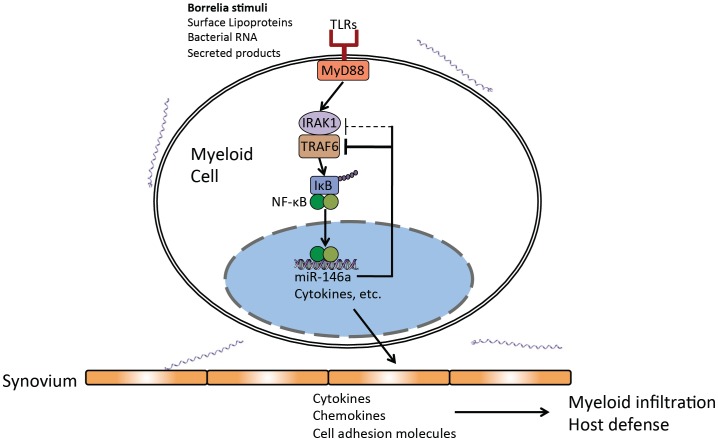
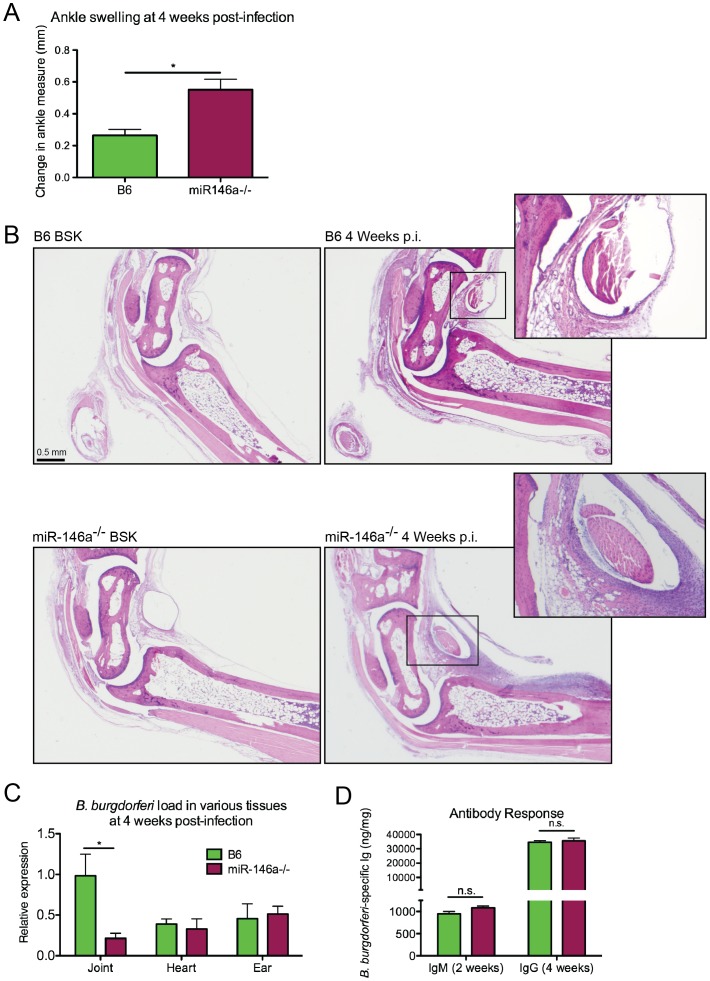
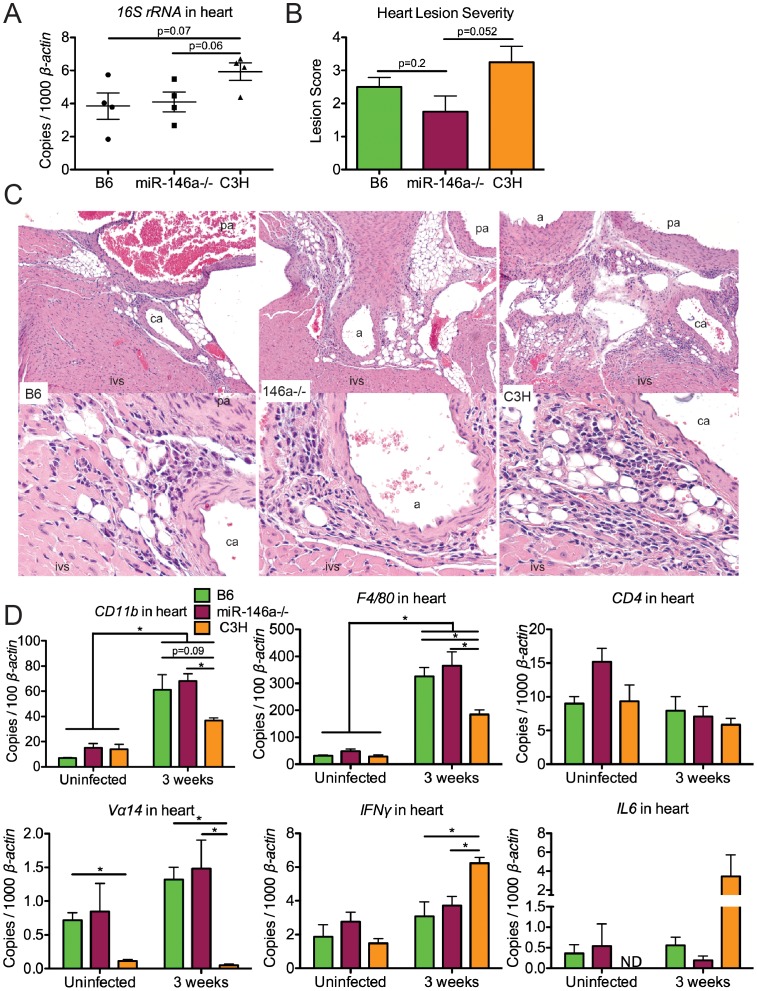
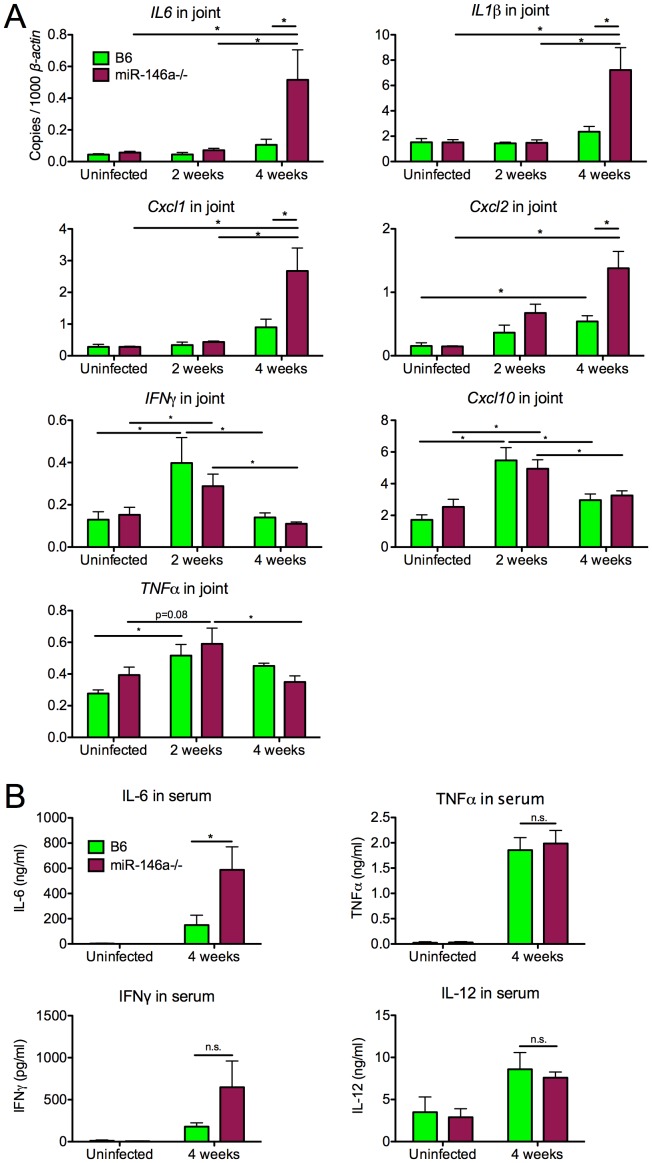
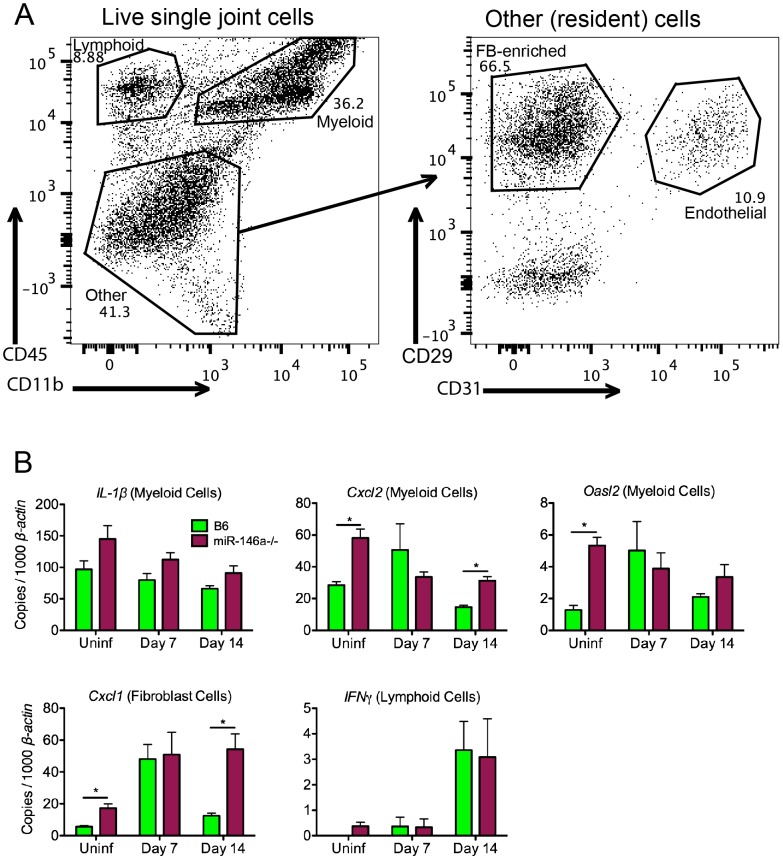
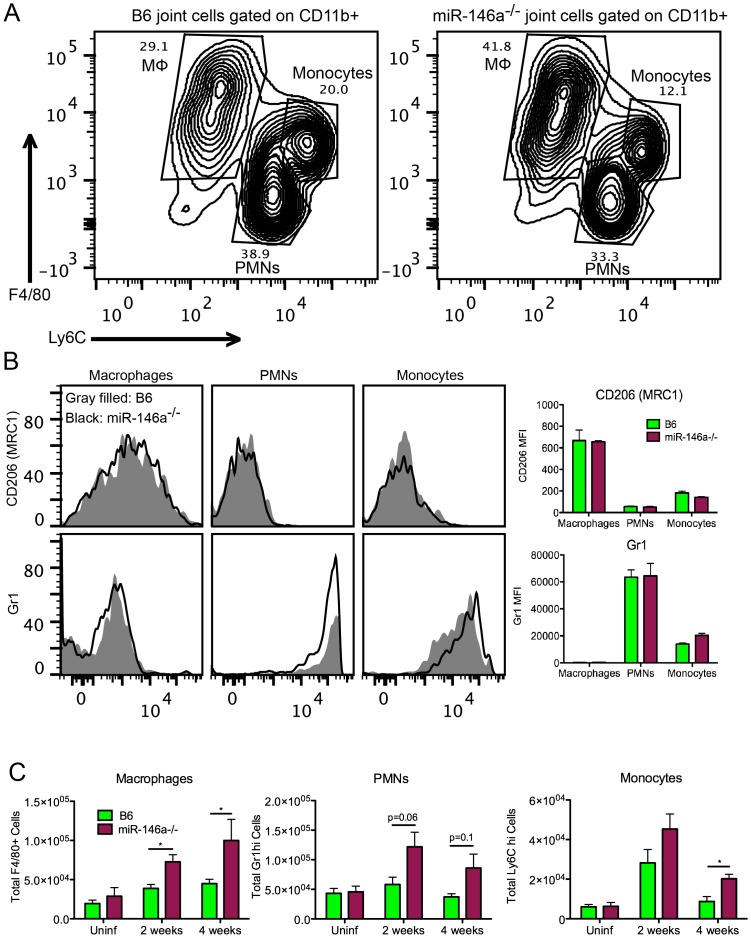
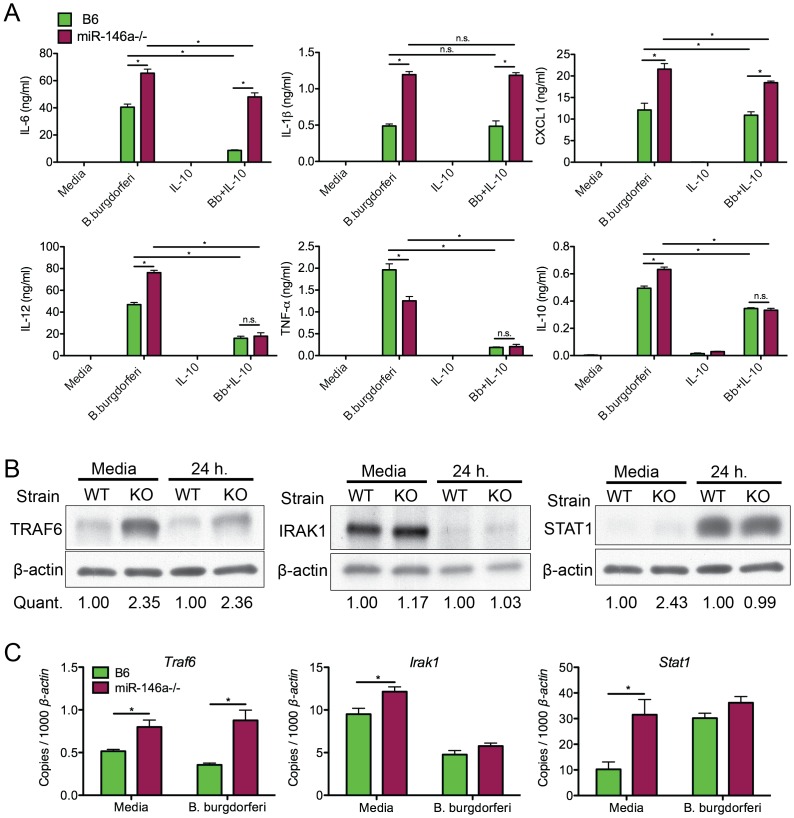
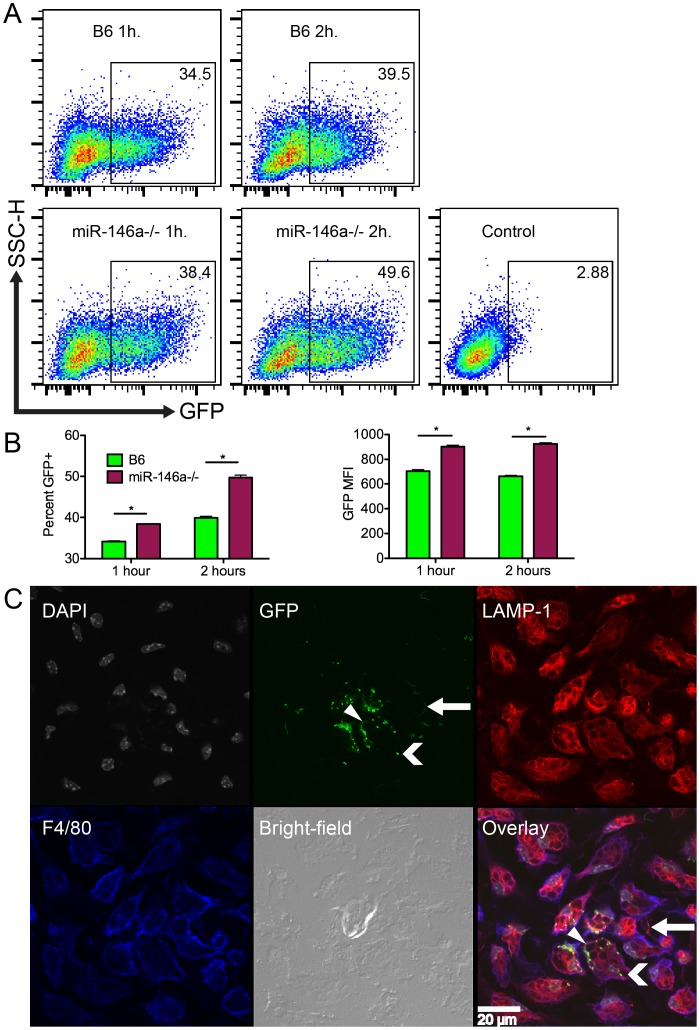
MicroRNAs have been shown to be important regulators of inflammatory and immune responses and are implicated in several immune disorders including systemic lupus erythematosus and rheumatoid arthritis, but their role in Lyme borreliosis remains unknown. We performed a microarray screen for expression of miRNAs in joint tissue from three mouse strains infected with Borrelia burgdorferi. This screen identified upregulation of miR-146a, a key negative regulator of NF-κB signaling, in all three strains, suggesting it plays an important role in the in vivo response to B. burgdorferi. Infection of B6 miR-146a-/- mice with B. burgdorferi revealed a critical nonredundant role of miR-146a in modulating Lyme arthritis without compromising host immune response or heart inflammation. The impact of miR-146a was specifically localized to the joint, and did not impact lesion development or inflammation in the heart. Furthermore, B6 miR-146a-/- mice had elevated levels of NF-κB-regulated products in joint tissue and serum late in infection. Flow cytometry analysis of various lineages isolated from infected joint tissue of mice showed that myeloid cell infiltration was significantly greater in B6 miR-146a-/- mice, compared to B6, during B. burgdorferi infection. Using bone marrow-derived macrophages, we found that TRAF6, a known target of miR-146a involved in NF-κB activation, was dysregulated in resting and B. burgdorferi-stimulated B6 miR-146a-/- macrophages, and corresponded to elevated IL-1β, IL-6 and CXCL1 production. This dysregulated protein production was also observed in macrophages treated with IL-10 prior to B. burgdorferi stimulation. Peritoneal macrophages from B6 miR-146a-/- mice also showed enhanced phagocytosis of B. burgdorferi. Together, these data show that miR-146a-mediated regulation of TRAF6 and NF-κB, and downstream targets such as IL-1β, IL-6 and CXCL1, are critical for modulation of Lyme arthritis during chronic infection with B. burgdorferi.
微小RNA已被证明是炎症和免疫反应的重要调节因子,并与包括系统性红斑狼疮和类风湿性关节炎在内的多种免疫疾病有关,但其在莱姆病中的作用仍不清楚。我们对感染伯氏疏螺旋体的三种小鼠品系的关节组织进行了微小RNA表达的微阵列筛选。该筛选在所有三种品系中均鉴定出NF-κB信号通路的关键负调节因子miR-146a上调,表明其在体内对伯氏疏螺旋体的反应中起重要作用。用伯氏疏螺旋体感染B6 miR-146a-/-小鼠发现,miR-146a在调节莱姆关节炎中起关键的非冗余作用,且不影响宿主免疫反应或心脏炎症。miR-146a的影响特异性地局限于关节,不影响心脏病变的发展或炎症。此外,在感染后期,B6 miR-146a-/-小鼠关节组织和血清中NF-κB调节产物的水平升高。对从小鼠感染关节组织中分离的各种谱系进行流式细胞术分析表明,在伯氏疏螺旋体感染期间,与B6小鼠相比,B6 miR-146a-/-小鼠的髓样细胞浸润明显更多。利用骨髓来源的巨噬细胞,我们发现,参与NF-κB激活的miR-146a的已知靶标TRAF6在静止和经伯氏疏螺旋体刺激的B6 miR-146a-/-巨噬细胞中失调,并且与IL-1β、IL-6和CXCL1的产生增加相对应。在用IL-10预处理后再用伯氏疏螺旋体刺激的巨噬细胞中也观察到这种蛋白质产生失调的情况。来自B6 miR-146a-/-小鼠的腹腔巨噬细胞对伯氏疏螺旋体的吞噬作用也增强。总之,这些数据表明,miR-146a介导的对TRAF6和NF-κB以及下游靶标如IL-1β、IL-6和CXCL1的调节,对于在伯氏疏螺旋体慢性感染期间调节莱姆关节炎至关重要。