Cronan Mark R, Tobin David M
Department of Molecular Genetics and Microbiology, Duke University Medical Center, Durham, NC 27710, USA.
Department of Molecular Genetics and Microbiology, Duke University Medical Center, Durham, NC 27710, USA. Center for Microbial Pathogenesis, Duke University Medical Center, Durham, NC 27710, USA.
Dis Model Mech. 2014 Jul;7(7):777-84. doi: 10.1242/dmm.016089.
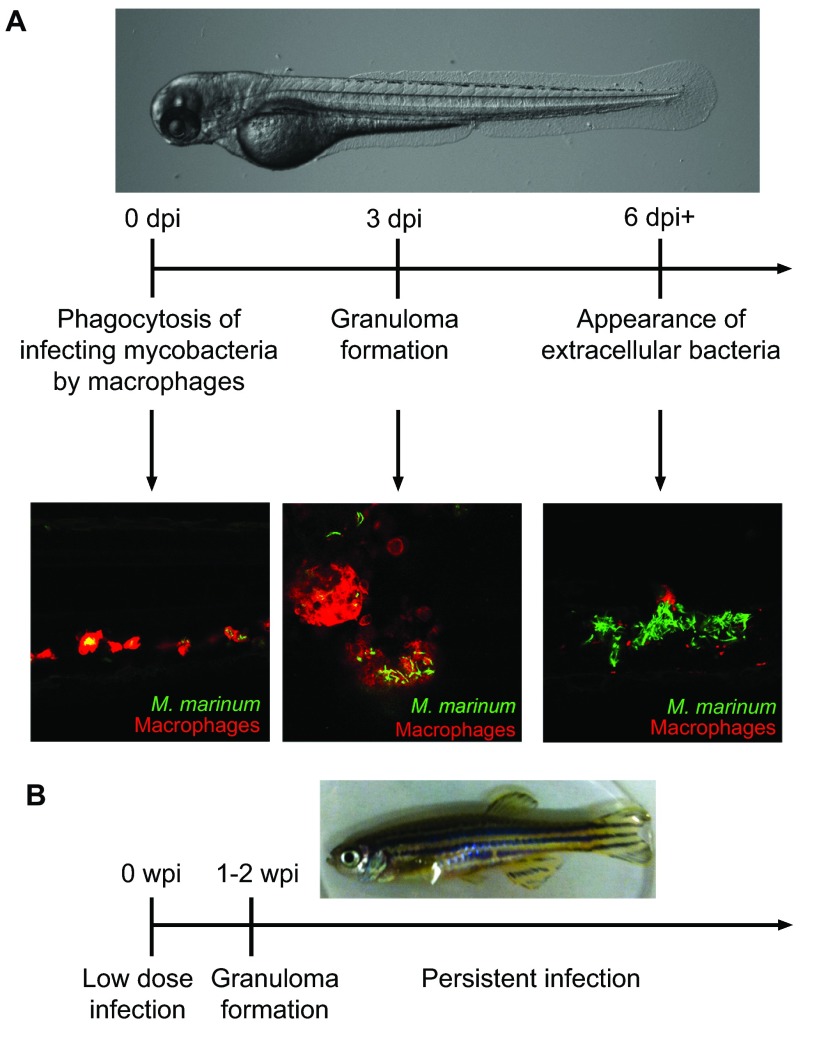
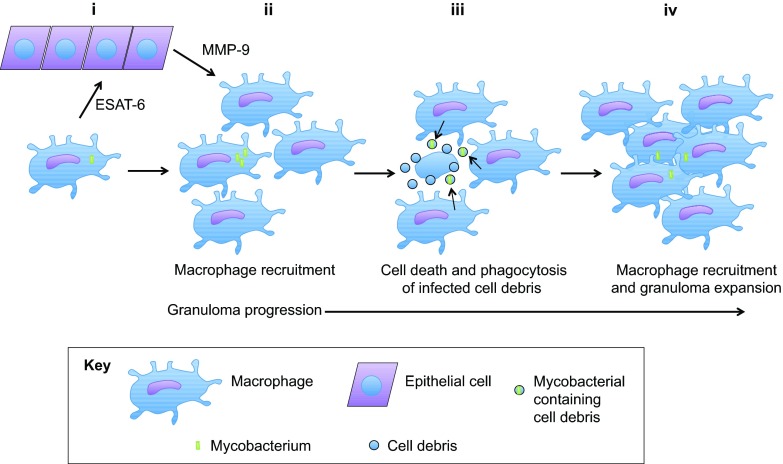
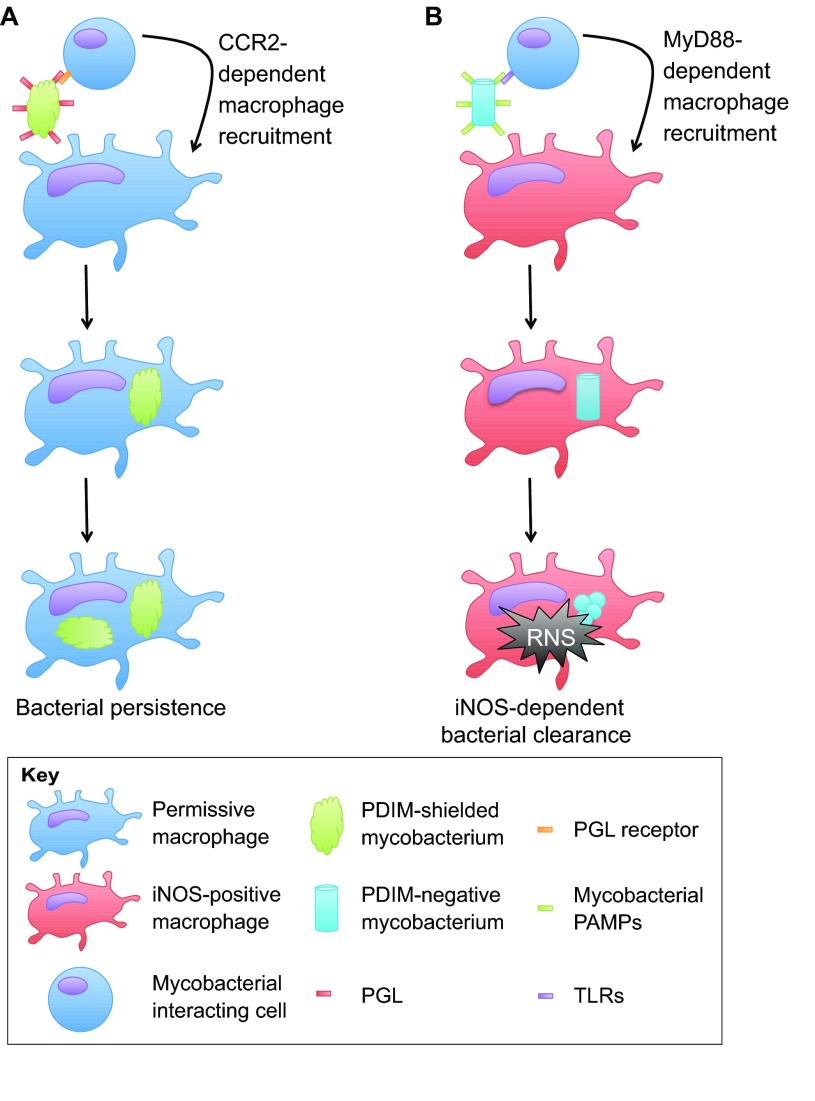
Despite efforts to generate new vaccines and antibiotics for tuberculosis, the disease remains a public health problem worldwide. The zebrafish Danio rerio has emerged as a useful model to investigate mycobacterial pathogenesis and treatment. Infection of zebrafish with Mycobacterium marinum, the closest relative of the Mycobacterium tuberculosis complex, recapitulates many aspects of human tuberculosis. The zebrafish model affords optical transparency, abundant genetic tools and in vivo imaging of the progression of infection. Here, we review how the zebrafish-M. marinum system has been deployed to make novel observations about the role of innate immunity, the tuberculous granuloma, and crucial host and bacterial genes. Finally, we assess how these findings relate to human disease and provide a framework for novel strategies to treat tuberculosis.
尽管人们努力研发针对结核病的新型疫苗和抗生素,但该疾病仍是全球公共卫生问题。斑马鱼已成为研究分枝杆菌发病机制和治疗方法的有用模型。用与结核分枝杆菌复合体亲缘关系最近的海分枝杆菌感染斑马鱼,可重现人类结核病的许多方面。斑马鱼模型具有光学透明性、丰富的遗传工具以及感染进展的体内成像能力。在此,我们综述了斑马鱼 - 海分枝杆菌系统如何被用于对固有免疫、结核性肉芽肿以及关键宿主和细菌基因的作用做出新的观察。最后,我们评估这些发现与人类疾病的关系,并为治疗结核病的新策略提供一个框架。