Liu Chi, Kurokawa Ryosuke, Fujino Masayuki, Hirano Shinichi, Sato Bunpei, Li Xiao-Kang
1] Division of Transplantation Immunology, National Research Institute for Child Health and Development [2] Preclinical Medical Institute, Gannan Medical University, Jiangxi, China [3].
1] Division of Transplantation Immunology, National Research Institute for Child Health and Development [2] MiZ Co., Ltd., Kanagawa; Japan [3].
Sci Rep. 2014 Jun 30;4:5485. doi: 10.1038/srep05485.
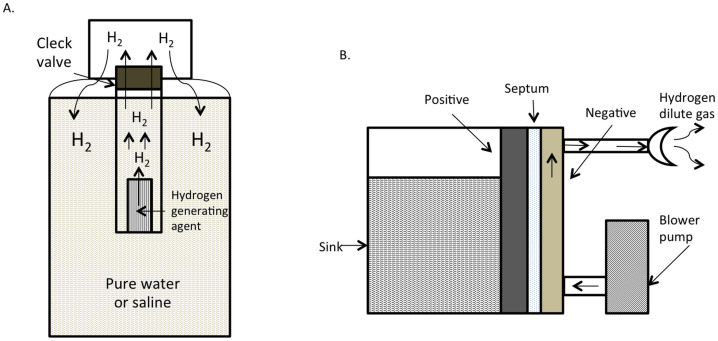
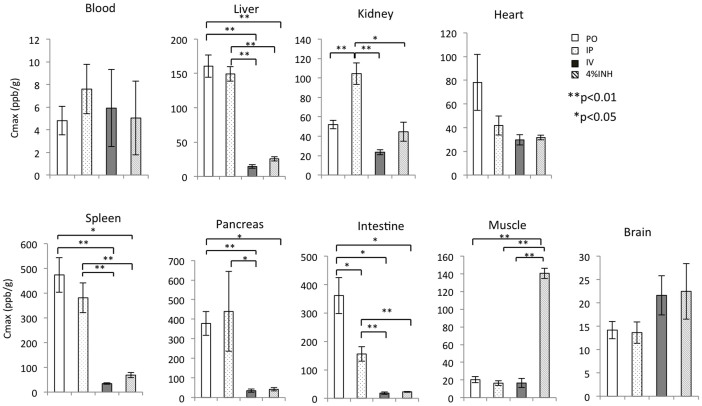
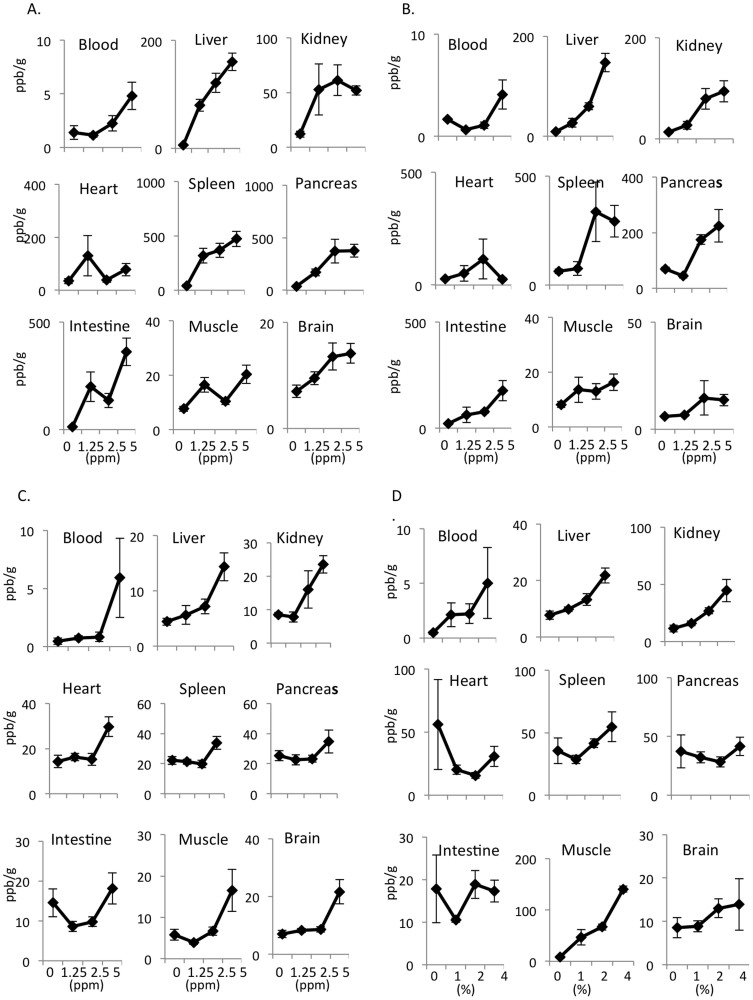
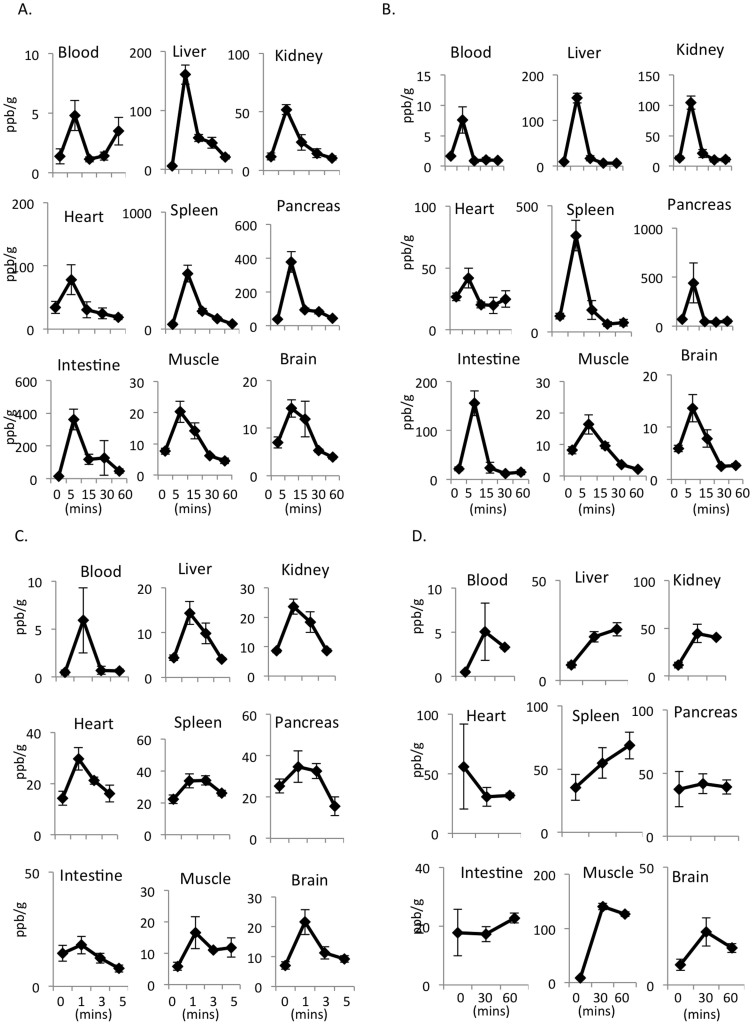
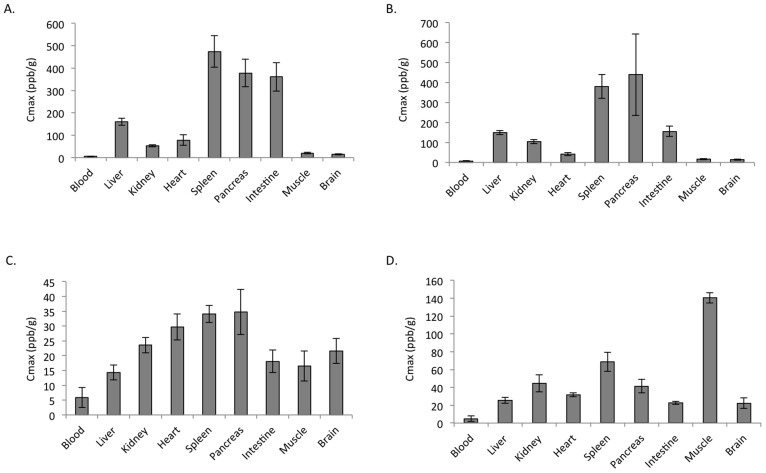
Hydrogen exerts beneficial effects in disease animal models of ischemia-reperfusion injury as well as inflammatory and neurological disease. Additionally, molecular hydrogen is useful for various novel medical and therapeutic applications in the clinical setting. In the present study, the hydrogen concentration in rat blood and tissue was estimated. Wistar rats were orally administered hydrogen super-rich water (HSRW), intraperitoneal and intravenous administration of hydrogen super-rich saline (HSRS), and inhalation of hydrogen gas. A new method for determining the hydrogen concentration was then applied using high-quality sensor gas chromatography, after which the specimen was prepared via tissue homogenization in airtight tubes. This method allowed for the sensitive and stable determination of the hydrogen concentration. The hydrogen concentration reached a peak at 5 minutes after oral and intraperitoneal administration, compared to 1 minute after intravenous administration. Following inhalation of hydrogen gas, the hydrogen concentration was found to be significantly increased at 30 minutes and maintained the same level thereafter. These results demonstrate that accurately determining the hydrogen concentration in rat blood and organ tissue is very useful and important for the application of various novel medical and therapeutic therapies using molecular hydrogen.
氢气在缺血再灌注损伤以及炎症和神经疾病的疾病动物模型中发挥有益作用。此外,分子氢在临床环境中的各种新型医学和治疗应用中很有用。在本研究中,对大鼠血液和组织中的氢气浓度进行了估计。将Wistar大鼠口服给予富氢水(HSRW)、腹腔内和静脉内给予富氢盐水(HSRS)以及吸入氢气。然后应用一种使用高质量传感器气相色谱法测定氢气浓度的新方法,之后通过在密封管中进行组织匀浆制备标本。该方法能够灵敏且稳定地测定氢气浓度。口服和腹腔内给药后5分钟氢气浓度达到峰值,而静脉内给药后1分钟达到峰值。吸入氢气后,发现30分钟时氢气浓度显著升高,此后保持相同水平。这些结果表明,准确测定大鼠血液和器官组织中的氢气浓度对于使用分子氢的各种新型医学和治疗方法的应用非常有用且重要。