Zambuzzi Willian F, Bonfante Estevam A, Jimbo Ryo, Hayashi Mariko, Andersson Martin, Alves Gutemberg, Takamori Esther R, Beltrão Paulo J, Coelho Paulo G, Granjeiro José M
Departmento de Química e Bioquímica, Instituto de Biociências, Universidade Estadual Paulista - UNESP, Botucatu, São Paulo, Brazil.
Faculdade de Odontologia de Bauru, Universidade de São Paulo, Bauru, São Paulo, Brazil.
PLoS One. 2014 Jul 7;9(7):e95662. doi: 10.1371/journal.pone.0095662. eCollection 2014.
It is known that physico/chemical alterations on biomaterial surfaces have the capability to modulate cellular behavior, affecting early tissue repair. Such surface modifications are aimed to improve early healing response and, clinically, offer the possibility to shorten the time from implant placement to functional loading. Since FAK and Src are intracellular proteins able to predict the quality of osteoblast adhesion, this study evaluated the osteoblast behavior in response to nanometer scale titanium surface texturing by monitoring FAK and Src phosphorylations.
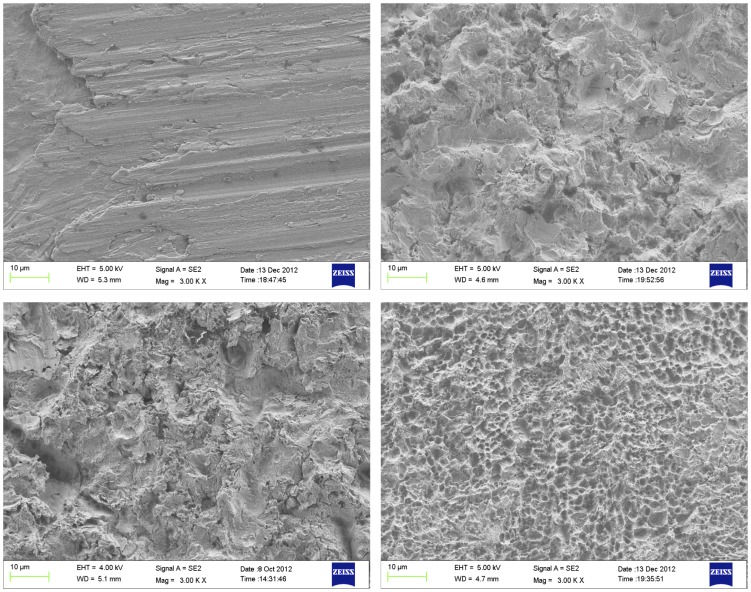
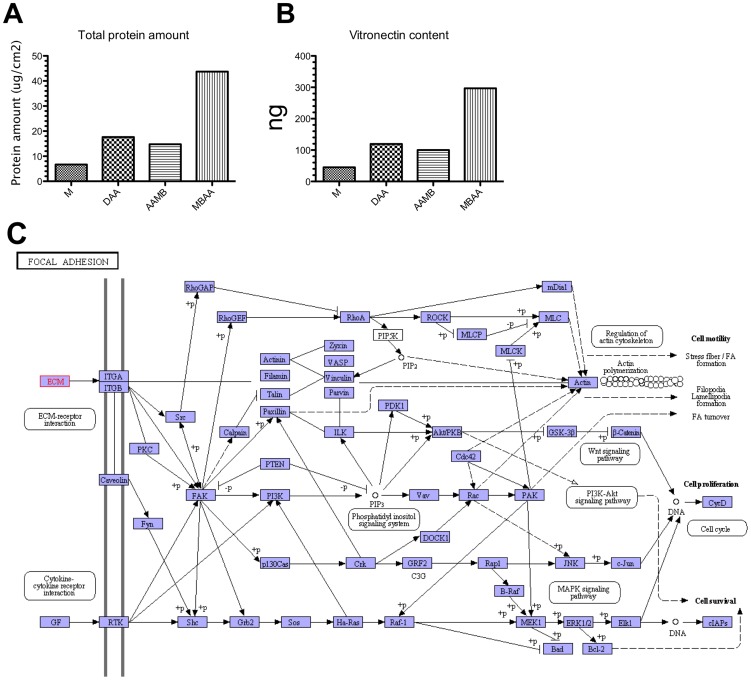
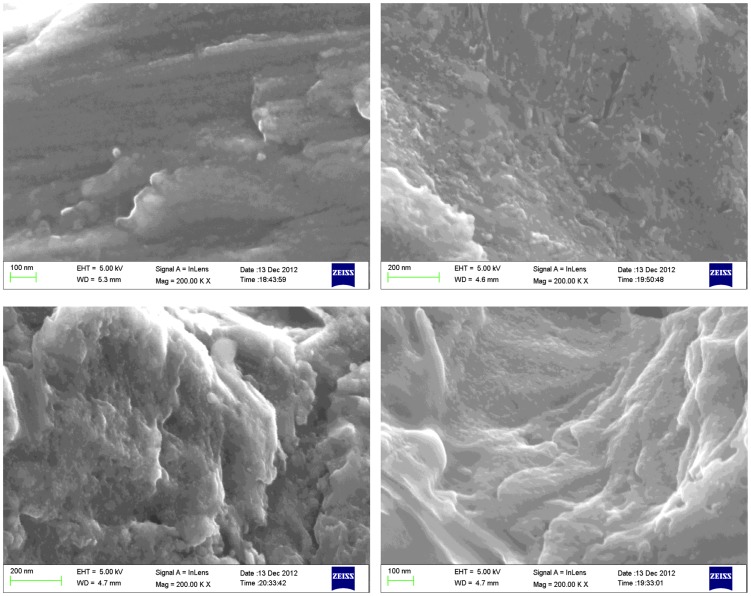
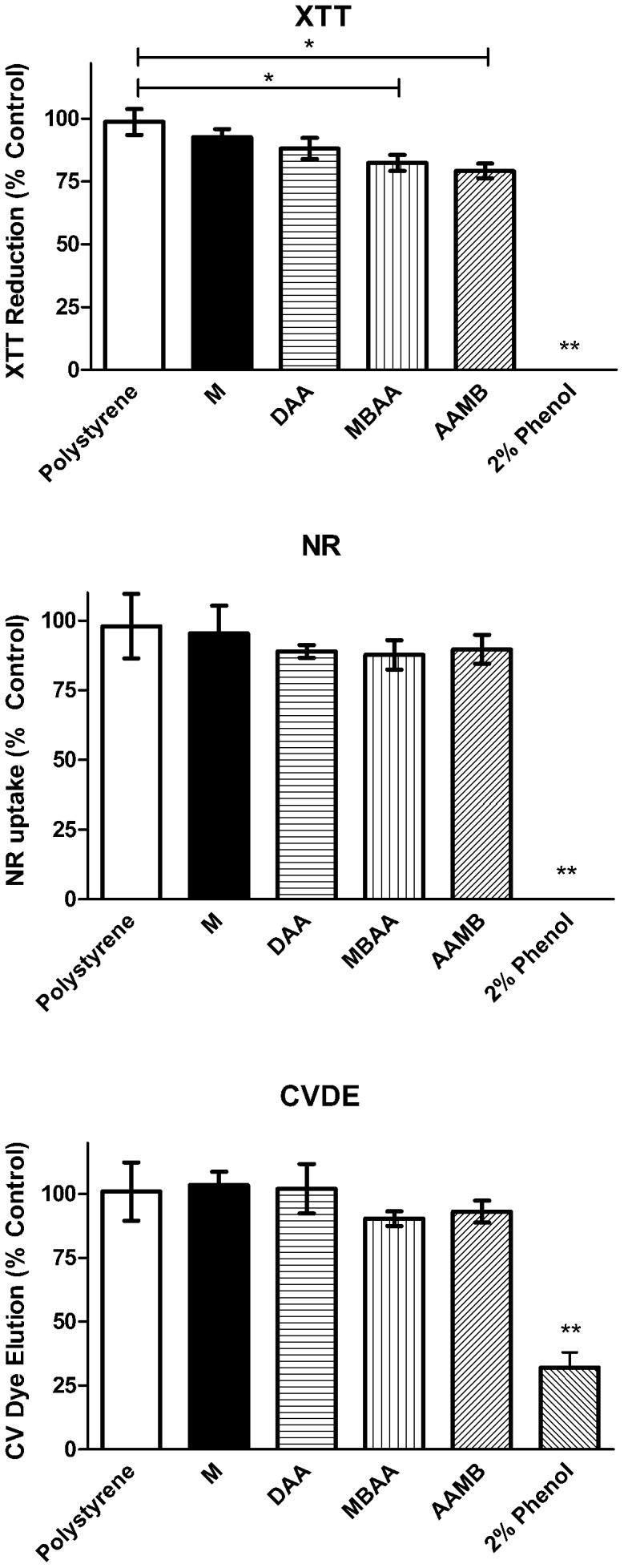
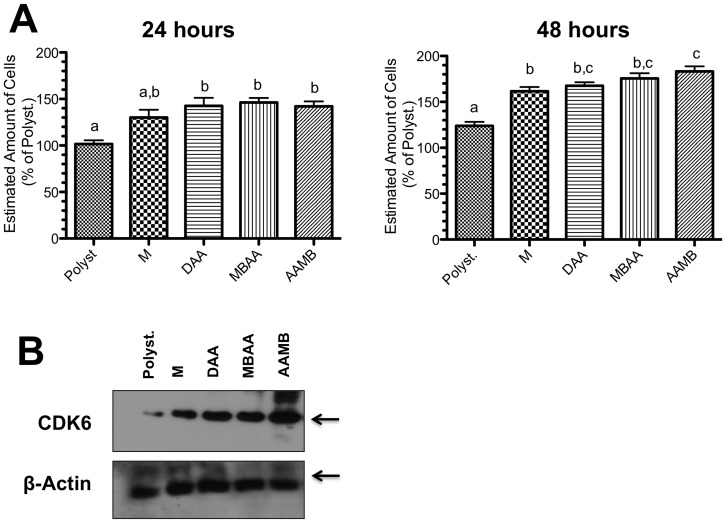
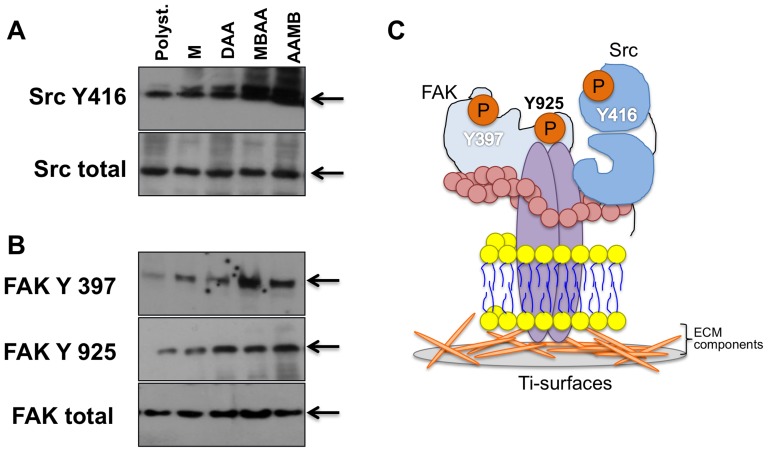
Four engineered titanium surfaces were used for the study: machined (M), dual acid-etched (DAA), resorbable media microblasted and acid-etched (MBAA), and acid-etch microblasted (AAMB). Surfaces were characterized by scanning electron microscopy, interferometry, atomic force microscopy, x-ray photoelectron spectroscopy and energy dispersive X-ray spectroscopy. Thereafter, those 4 samples were used to evaluate their cytotoxicity and interference on FAK and Src phosphorylations. Both Src and FAK were investigated by using specific antibody against specific phosphorylation sites.
The results showed that both FAK and Src activations were differently modulated as a function of titanium surfaces physico/chemical configuration and protein adsorption.
It can be suggested that signaling pathways involving both FAK and Src could provide biomarkers to predict osteoblast adhesion onto different surfaces.
已知生物材料表面的物理/化学改变能够调节细胞行为,影响早期组织修复。此类表面修饰旨在改善早期愈合反应,并且在临床上提供缩短从种植体植入到功能负载时间的可能性。由于黏着斑激酶(FAK)和Src是能够预测成骨细胞黏附质量的细胞内蛋白,本研究通过监测FAK和Src的磷酸化来评估成骨细胞对纳米级钛表面纹理的反应。
本研究使用了四种工程钛表面:机械加工表面(M)、双重酸蚀表面(DAA)、可吸收介质微喷砂和酸蚀表面(MBAA)以及酸蚀微喷砂表面(AAMB)。通过扫描电子显微镜、干涉测量法、原子力显微镜、X射线光电子能谱和能量色散X射线光谱对表面进行表征。此后,使用这4个样品评估它们的细胞毒性以及对FAK和Src磷酸化的干扰。通过使用针对特定磷酸化位点的特异性抗体来研究Src和FAK。
结果表明,FAK和Src的激活均根据钛表面的物理/化学构型和蛋白质吸附而受到不同调节。
可以认为,涉及FAK和Src的信号通路能够提供生物标志物以预测成骨细胞在不同表面上的黏附。