Lyu Yihua, Zheng Wei, Zheng Tianling, Tian Yun
Key Laboratory of the Ministry of Education for Coastal and Wetland Ecosystems, School of Life Science, Xiamen University, Xiamen, China.
Key Laboratory of the Ministry of Education for Coastal and Wetland Ecosystems, Xiamen University, Xiamen, China; State Key Laboratory of Marine Environmental Science, Xiamen University, Xiamen, China.
PLoS One. 2014 Jul 9;9(7):e101438. doi: 10.1371/journal.pone.0101438. eCollection 2014.
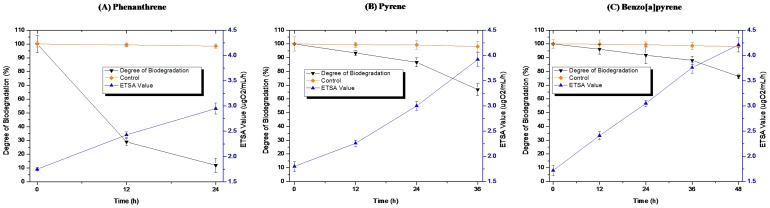
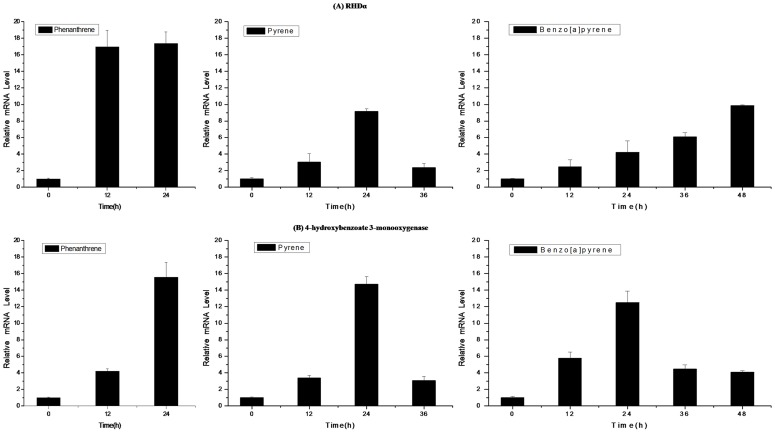
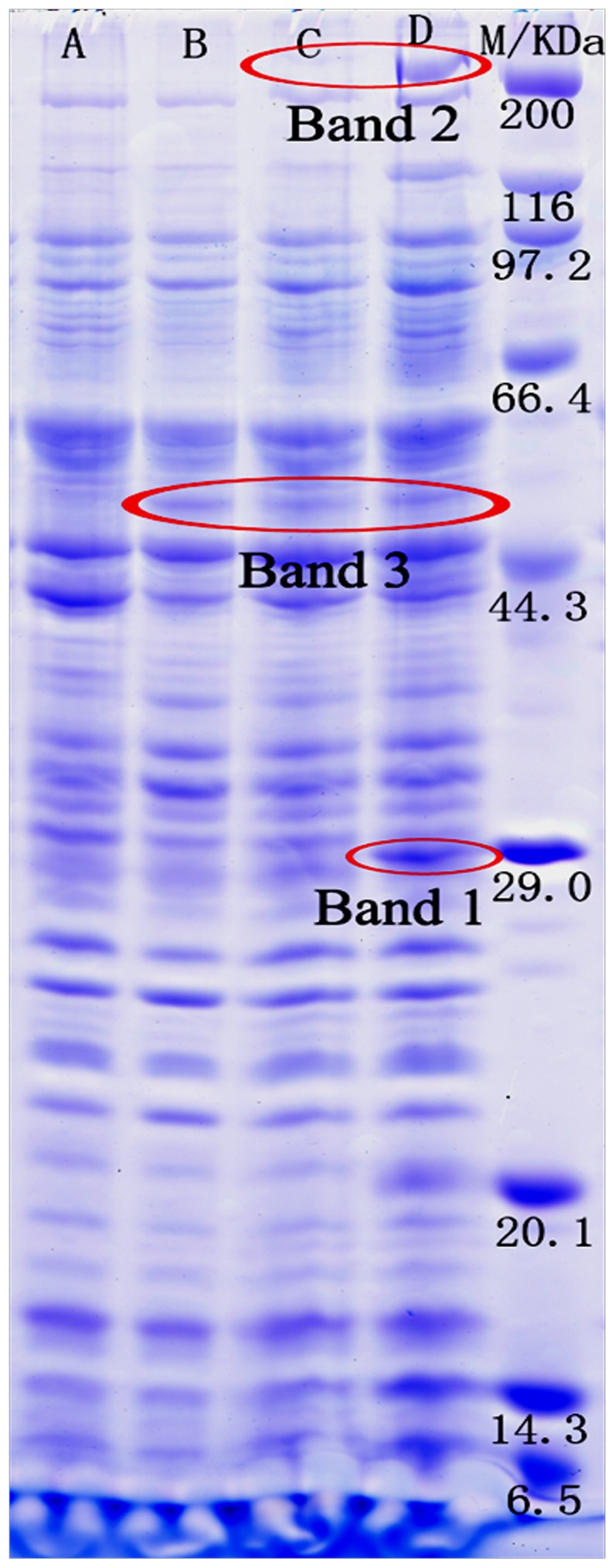
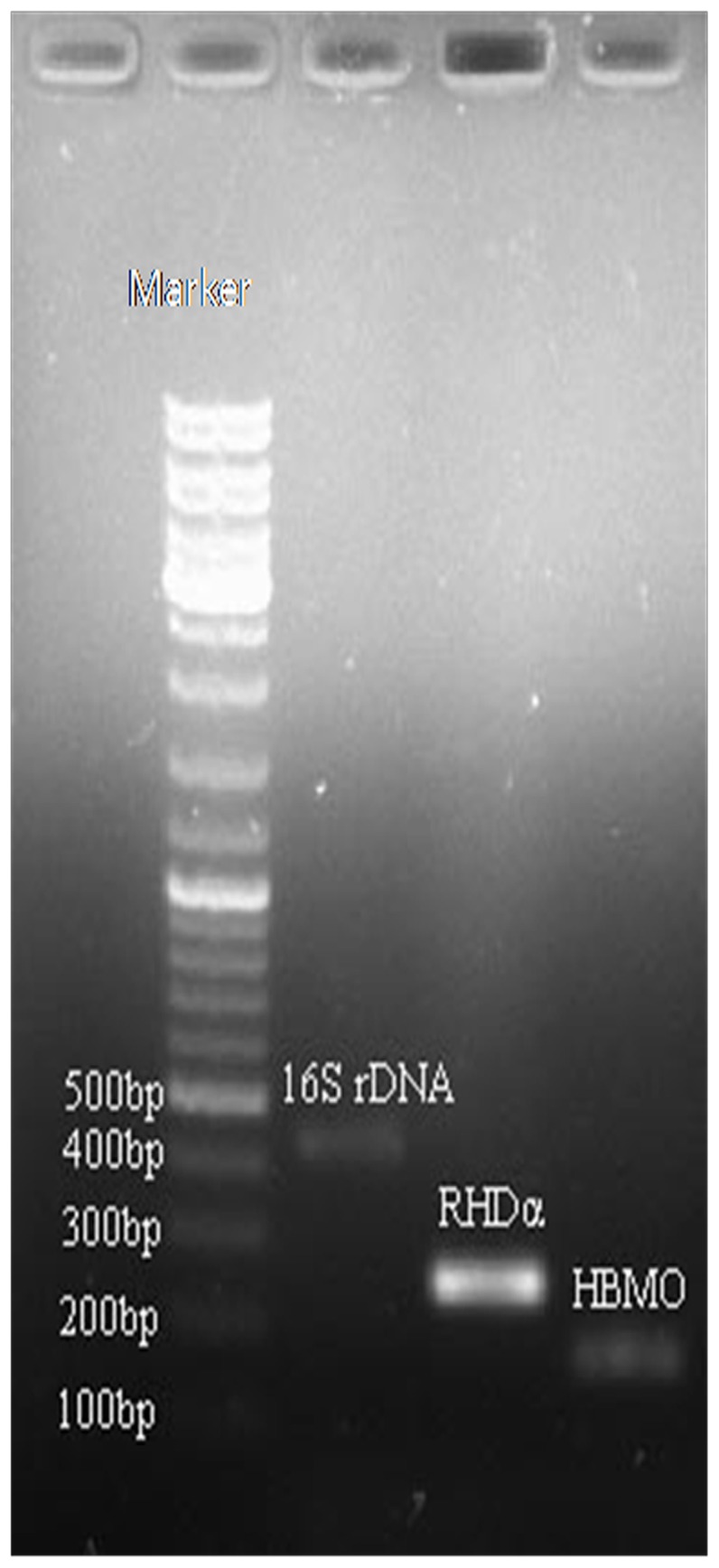
Novosphingobium pentaromativorans US6-1, a marine bacterium isolated from muddy sediments of Ulsan Bay, Republic of Korea, was previously shown to be capable of degrading multiple polycyclic aromatic hydrocarbons (PAHs). In order to gain insight into the characteristics of PAHs degradation, a proteome analysis of N. pentaromativorans US6-1 exposed to phenanthrene, pyrene, and benzo[a]pyrene was conducted. Several enzymes associated with PAHs degradation were identified, including 4-hydroxybenzoate 3-monooxygenase, salicylaldehyde dehydrogenase, and PAH ring-hydroxylating dioxygenase alpha subunit. Reverse transcription and real-time quantitative PCR was used to compare RHDα and 4-hydroxybenzoate 3-monooxygenase gene expression, and showed that the genes involved in the production of these two enzymes were upregulated to varying degrees after exposing the bacterium to PAHs. These results suggested that N. pentaromativorans US6-1 degraded PAHs via the metabolic route initiated by ring-hydroxylating dioxygenase, and further degradation occurred via the o-phthalate pathway or salicylate pathway. Both pathways subsequently entered the tricarboxylic acid (TCA) cycle, and were mineralized to CO2.
嗜多环芳烃新鞘氨醇菌US6-1是从韩国蔚山湾的泥泞沉积物中分离出的一种海洋细菌,先前已证明它能够降解多种多环芳烃(PAH)。为了深入了解PAH降解的特性,对暴露于菲、芘和苯并[a]芘的嗜多环芳烃新鞘氨醇菌US6-1进行了蛋白质组分析。鉴定出了几种与PAH降解相关的酶,包括4-羟基苯甲酸3-单加氧酶、水杨醛脱氢酶和PAH环羟基化双加氧酶α亚基。采用逆转录和实时定量PCR比较RHDα和4-羟基苯甲酸3-单加氧酶基因的表达,结果表明,将该细菌暴露于PAH后,参与这两种酶产生的基因均有不同程度的上调。这些结果表明,嗜多环芳烃新鞘氨醇菌US6-1通过环羟基化双加氧酶启动的代谢途径降解PAH,进一步的降解通过邻苯二甲酸途径或水杨酸途径发生。这两条途径随后进入三羧酸(TCA)循环,并矿化为CO2。