Shelite Thomas R, Saito Tais B, Mendell Nicole L, Gong Bin, Xu Guang, Soong Lynn, Valbuena Gustavo, Bouyer Donald H, Walker David H
Department of Pathology, Center for Biodefense and Emerging Infectious Diseases, Center for Tropical Diseases, Sealy Center for Vaccine Development, Institute of Human Infections and Immunity, The University of Texas Medical Branch, Galveston, Texas, United States of America; Department of Microbiology and Immunology, The University of Texas Medical Branch, Galveston, Texas, United States of America.
Department of Pathology, Center for Biodefense and Emerging Infectious Diseases, Center for Tropical Diseases, Sealy Center for Vaccine Development, Institute of Human Infections and Immunity, The University of Texas Medical Branch, Galveston, Texas, United States of America.
PLoS Negl Trop Dis. 2014 Jul 10;8(7):e2966. doi: 10.1371/journal.pntd.0002966. eCollection 2014 Jul.
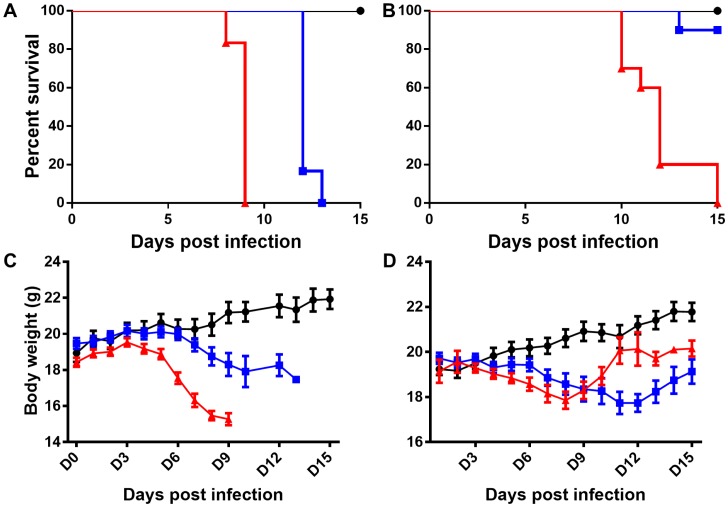
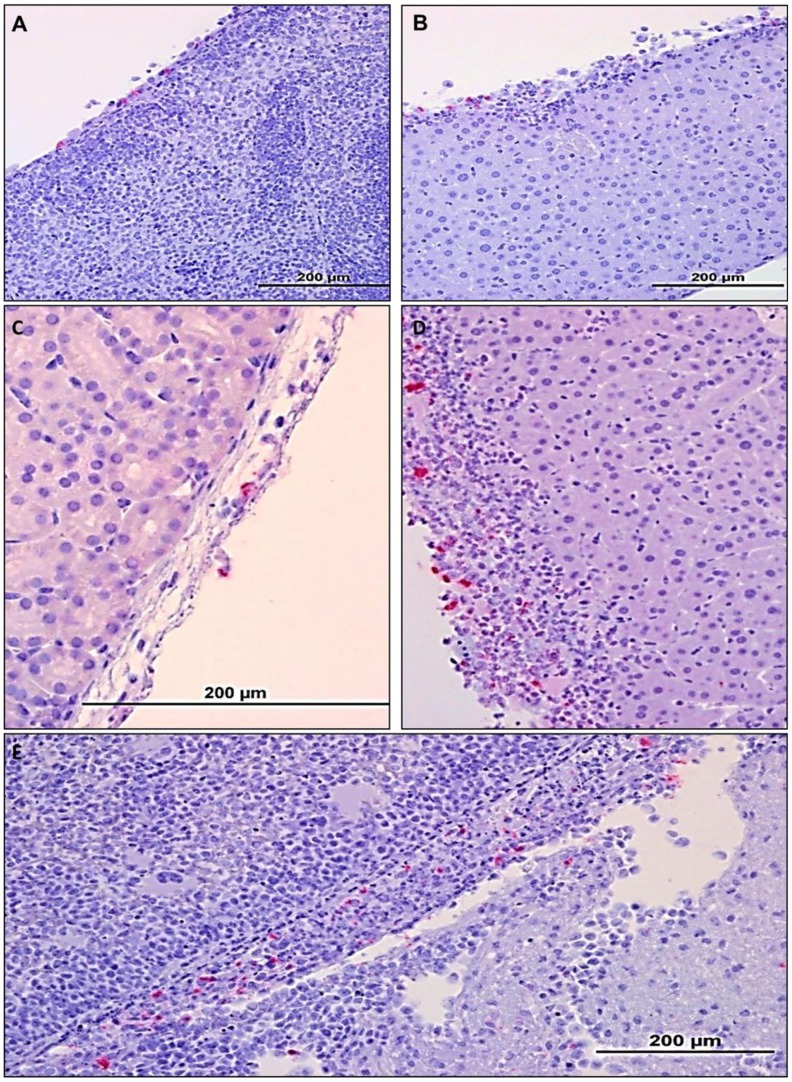
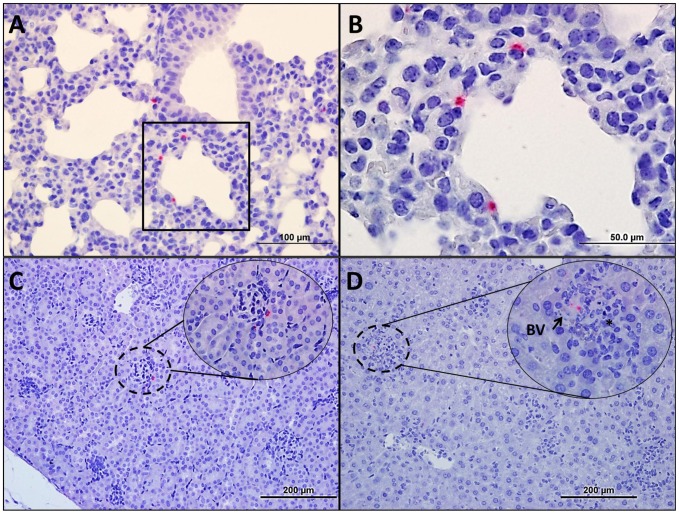
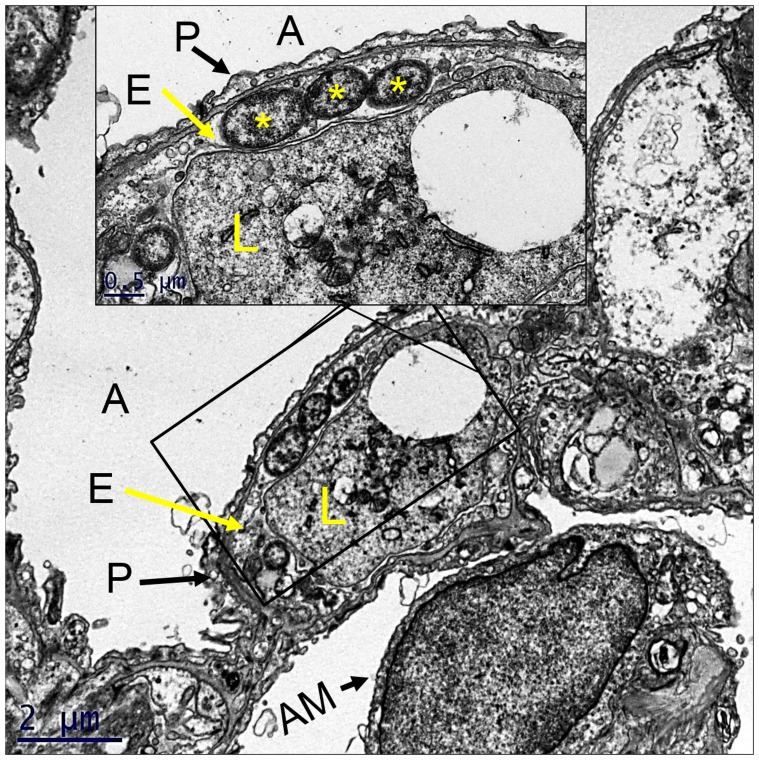
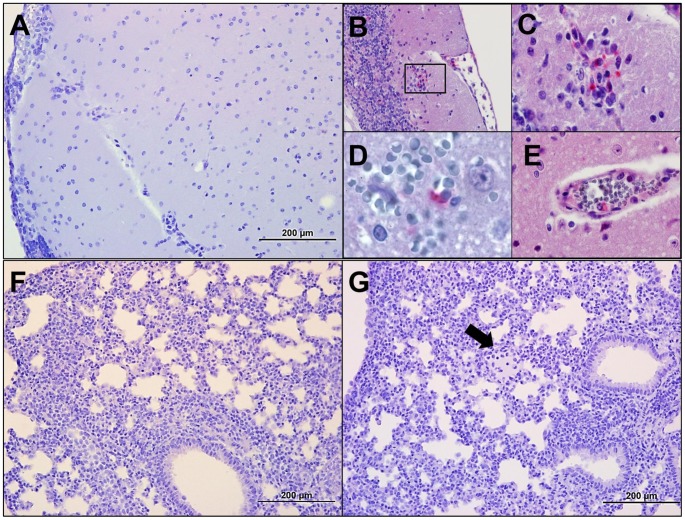
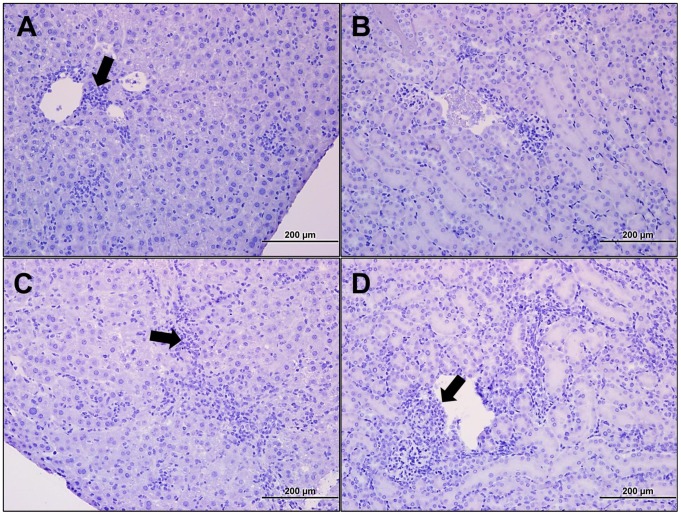
Orientia tsutsugamushi, the etiologic agent of scrub typhus, is a mite-borne rickettsia transmitted by the parasitic larval stage of trombiculid mites. Approximately one-third of the world's population is at risk of infection with Orientia tsutsugamushi, emphasizing its importance in global health. In order to study scrub typhus, Orientia tsutsugamushi Karp strain has been used extensively in mouse studies with various inoculation strategies and little success in inducing disease progression similar to that of human scrub typhus. The objective of this project was to develop a disease model with pathology and target cells similar to those of severe human scrub typhus. This study reports an intravenous infection model of scrub typhus in C57BL/6 mice. This mouse strain was susceptible to intravenous challenge, and lethal infection occurred after intravenous inoculation of 1.25 × 10(6) focus (FFU) forming units. Signs of illness in lethally infected mice appeared on day 6 with death occurring ∼ 6 days later. Immunohistochemical staining for Orientia antigens demonstrated extensive endothelial infection, most notably in the lungs and brain. Histopathological analysis revealed cerebral perivascular, lymphohistiocytic infiltrates, focal hemorrhages, meningoencephalitis, and interstitial pneumonia. Disseminated infection of endothelial cells with Orientia in C57BL/6 mice resulted in pathology resembling that of human scrub typhus. The use of this model will allow detailed characterization of the mechanisms of immunity to and pathogenesis of O. tsutsugamushi infection.
恙虫病东方体是恙虫病的病原体,是一种由恙螨幼虫传播的立克次氏体。全球约三分之一的人口有感染恙虫病东方体的风险,这凸显了其在全球健康中的重要性。为了研究恙虫病,恙虫病东方体Karp株已广泛用于小鼠研究,采用了各种接种策略,但在诱导与人类恙虫病相似的疾病进展方面收效甚微。本项目的目的是建立一种病理和靶细胞与严重人类恙虫病相似的疾病模型。本研究报告了C57BL/6小鼠恙虫病静脉感染模型。该小鼠品系对静脉攻击敏感,静脉接种1.25×10⁶个感染灶(FFU)形成单位后发生致死性感染。致死性感染小鼠在第6天出现疾病症状,约6天后死亡。恙虫病东方体抗原的免疫组织化学染色显示广泛的内皮感染,最明显的是在肺和脑中。组织病理学分析显示脑周血管、淋巴细胞组织细胞浸润、局灶性出血、脑膜脑炎和间质性肺炎。C57BL/6小鼠内皮细胞被恙虫病东方体播散感染导致的病理变化与人类恙虫病相似。使用该模型将有助于详细描述对恙虫病东方体感染的免疫机制和发病机制。