Zavala Jose, Lichtveld Kim, Ebersviller Seth, Carson Johnny L, Walters Glenn W, Jaspers Ilona, Jeffries Harvey E, Sexton Kenneth G, Vizuete William
Department of Environmental Sciences & Engineering, University of North Carolina at Chapel Hill, United States.
Department of Pediatrics, University of North Carolina at Chapel Hill, United States; Center for Environmental Medicine and Lung Biology, University of North Carolina at Chapel Hill, United States.
Chem Biol Interact. 2014 Sep 5;220:158-68. doi: 10.1016/j.cbi.2014.06.026. Epub 2014 Jul 7.
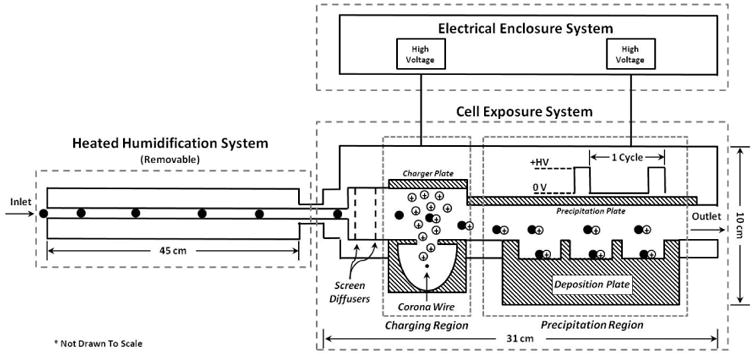
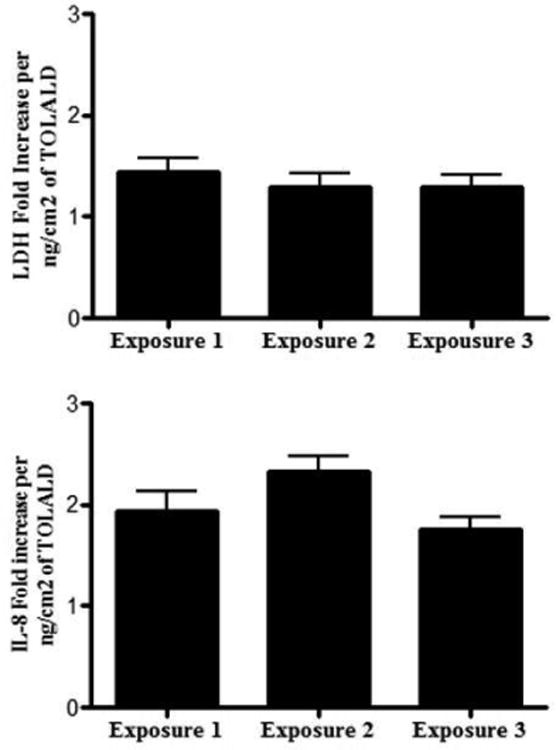
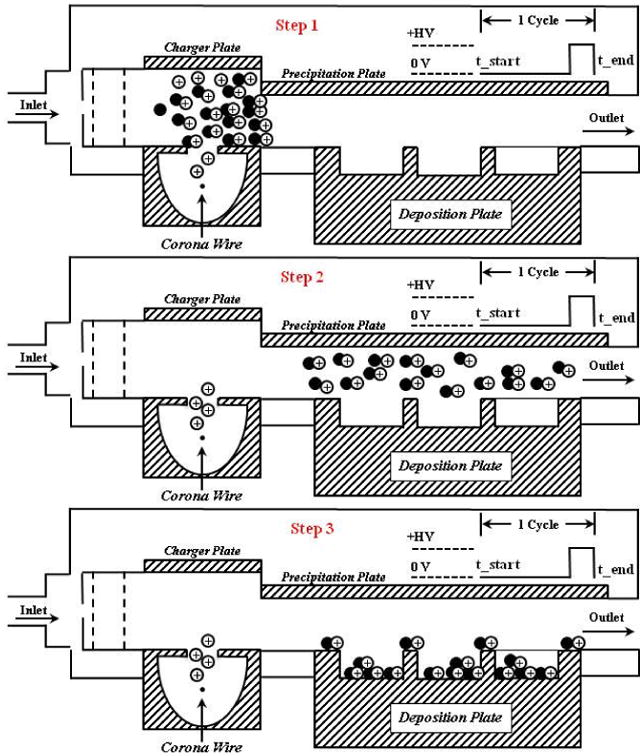
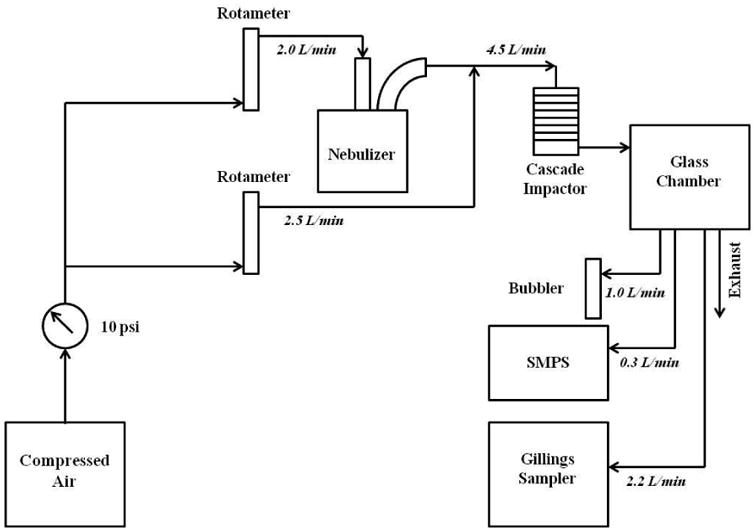
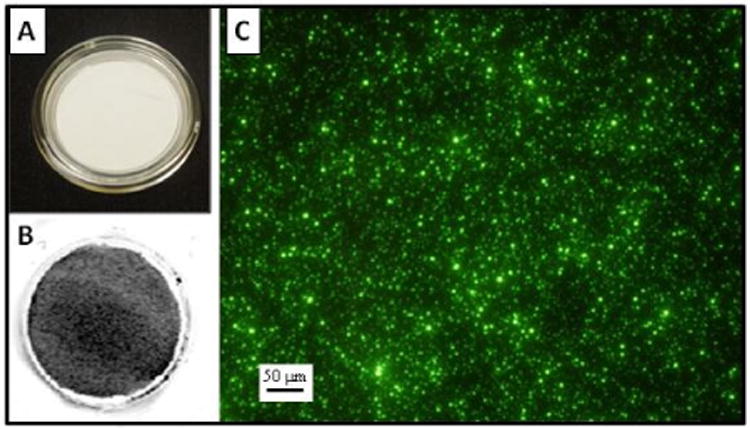
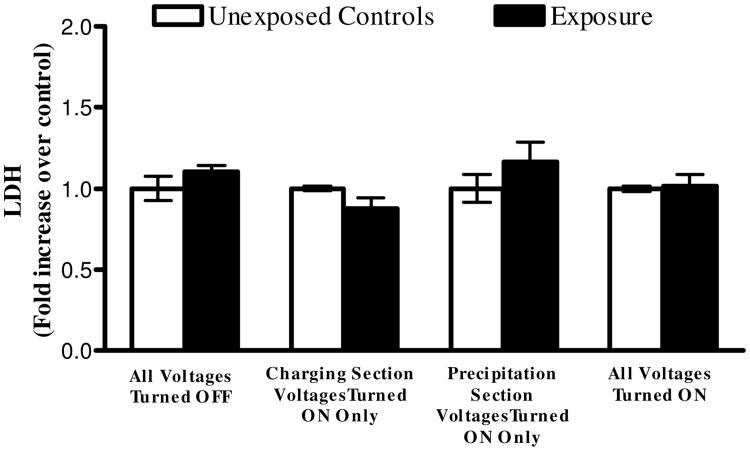
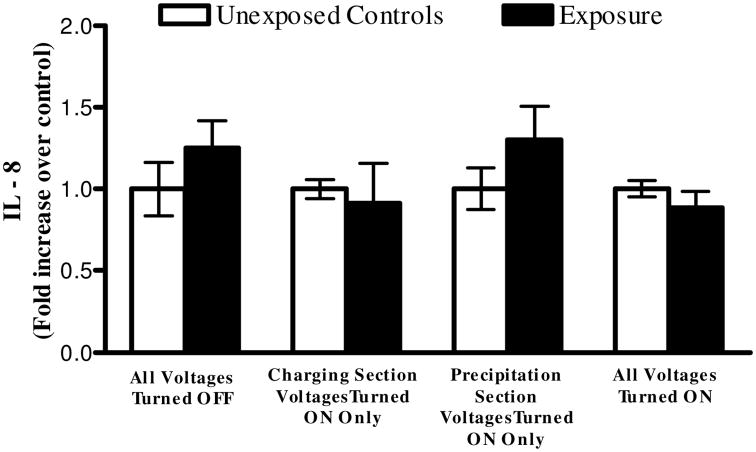
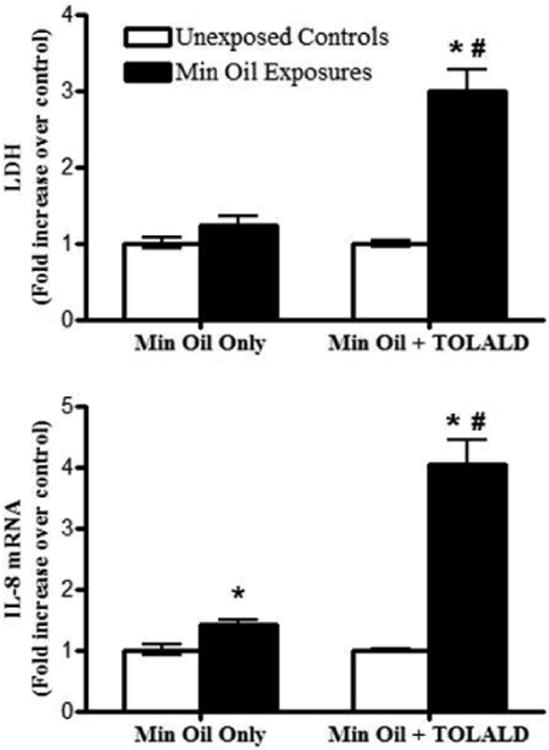
There is growing interest in studying the toxicity and health risk of exposure to multi-pollutant mixtures found in ambient air, and the U.S. Environmental Protection Agency (EPA) is moving towards setting standards for these types of mixtures. Additionally, the Health Effects Institute's strategic plan aims to develop and apply next-generation multi-pollutant approaches to understanding the health effects of air pollutants. There's increasing concern that conventional in vitro exposure methods are not adequate to meet EPA's strategic plan to demonstrate a direct link between air pollution and health effects. To meet the demand for new in vitro technology that better represents direct air-to-cell inhalation exposures, a new system that exposes cells at the air-liquid interface was developed. This new system, named the Gillings Sampler, is a modified two-stage electrostatic precipitator that provides a viable environment for cultured cells. Polystyrene latex spheres were used to determine deposition efficiencies (38-45%), while microscopy and imaging techniques were used to confirm uniform particle deposition. Negative control A549 cell exposures indicated the sampler can be operated for up to 4h without inducing any significant toxic effects on cells, as measured by lactate dehydrogenase (LDH) and interleukin-8 (IL-8). A novel positive aerosol control exposure method, consisting of a p-tolualdehyde (TOLALD) impregnated mineral oil aerosol (MOA), was developed to test this system. Exposures to the toxic MOA at a 1 ng/cm(2) dose of TOLALD yielded a reproducible 1.4 and 2-fold increase in LDH and IL-8 mRNA levels over controls. This new system is intended to be used as an alternative research tool for aerosol in vitro exposure studies. While further testing and optimization is still required to produce a "commercially ready" system, it serves as a stepping-stone in the development of cost-effective in vitro technology that can be made accessible to researchers in the near future.
对研究环境空气中多污染物混合物的毒性和健康风险的兴趣与日俱增,美国环境保护局(EPA)正朝着为这类混合物制定标准的方向迈进。此外,健康影响研究所的战略计划旨在开发和应用新一代多污染物方法,以了解空气污染物对健康的影响。人们越来越担心传统的体外暴露方法不足以满足EPA的战略计划,即证明空气污染与健康影响之间的直接联系。为满足对能更好地模拟直接空气到细胞吸入暴露的新体外技术的需求,开发了一种在气液界面暴露细胞的新系统。这个名为吉利斯采样器的新系统是一种经过改良的两级静电除尘器,为培养的细胞提供了一个可行的环境。使用聚苯乙烯乳胶球来确定沉积效率(38 - 45%),同时利用显微镜和成像技术来确认颗粒的均匀沉积。阴性对照A549细胞暴露表明,该采样器可以运行长达4小时,而不会对细胞产生任何显著的毒性作用,这通过乳酸脱氢酶(LDH)和白细胞介素 - 8(IL - 8)来衡量。开发了一种新型的正性气溶胶对照暴露方法,该方法由对甲苯醛(TOLALD)浸渍的矿物油气溶胶(MOA)组成,用于测试该系统。以1 ng/cm²剂量的TOLALD暴露于有毒的MOA,导致LDH和IL - 8 mRNA水平比对照组分别再现性地增加了1.4倍和2倍。这个新系统旨在用作气溶胶体外暴露研究的替代研究工具。虽然仍需要进一步测试和优化以生产出“可商业化的”系统,但它是开发具有成本效益的体外技术的垫脚石,在不久的将来可供研究人员使用。