Caplin Andrew, Dean Mark, Glimcher Paul W, Rutledge Robb B
Andrew Caplin, and Paul Glimcher, Department of Economics, New York University, 19 West 4th Street, New York, New York 10012. Paul Glimcher and Robb Rutledge, Center for Neural Science, New York University, 4 Washington Place, Room 809, New York, NY 10003. Mark Dean, Department of Economics, Brown University, Robinson Hall, 64 Waterman Street, Providence, RI 02912.
Q J Econ. 2010 Dec 31;125(3):923-960. doi: 10.1162/qjec.2010.125.3.923.
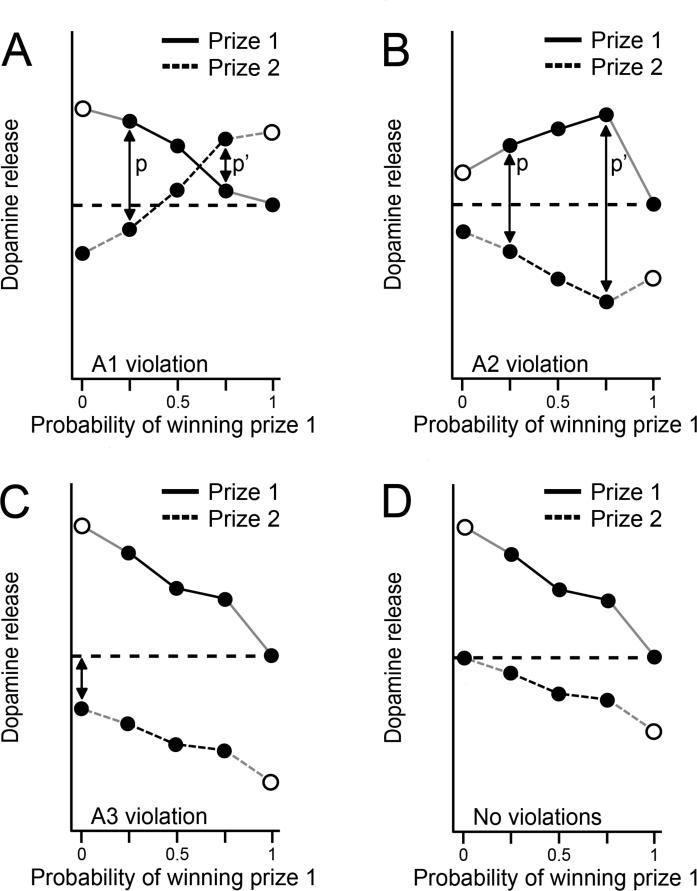
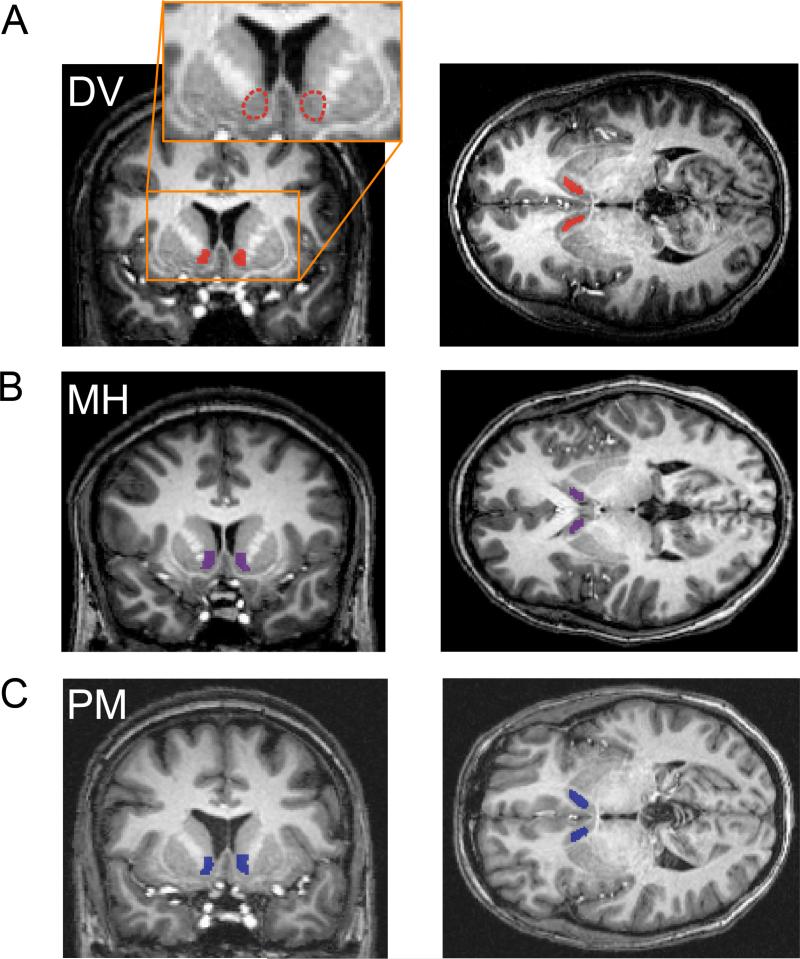
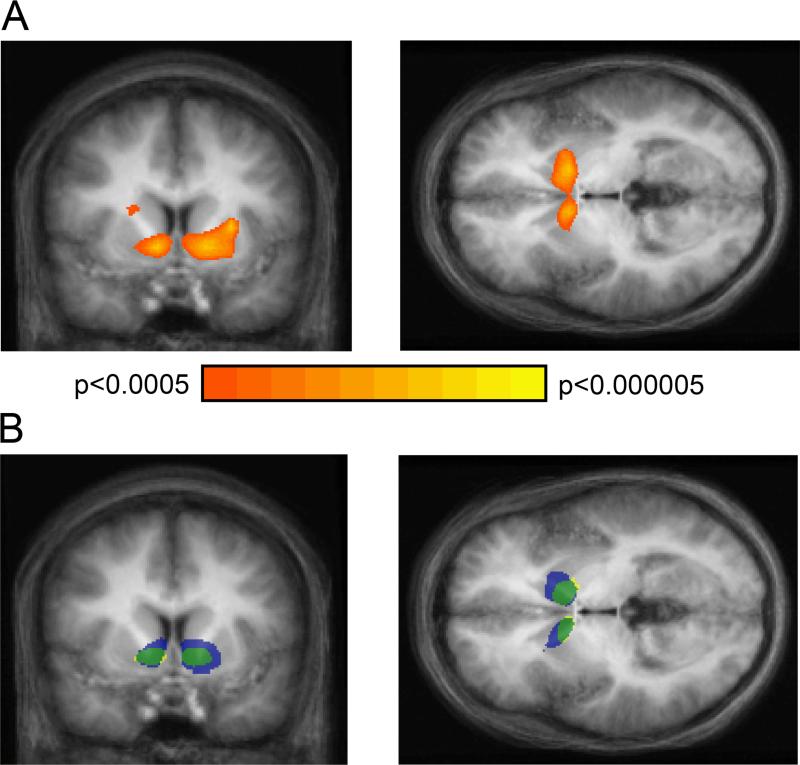
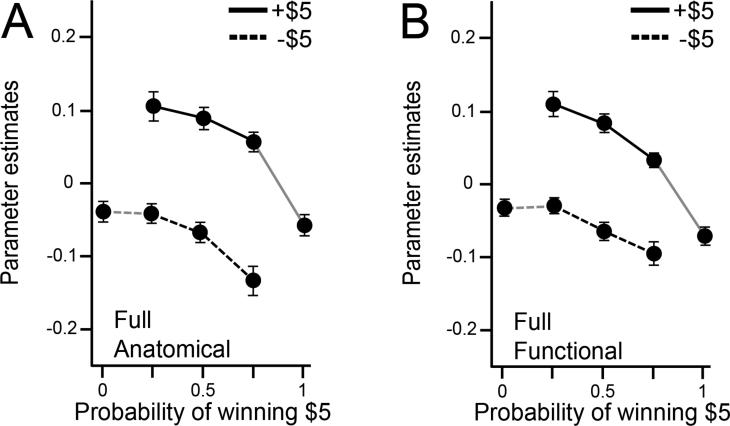
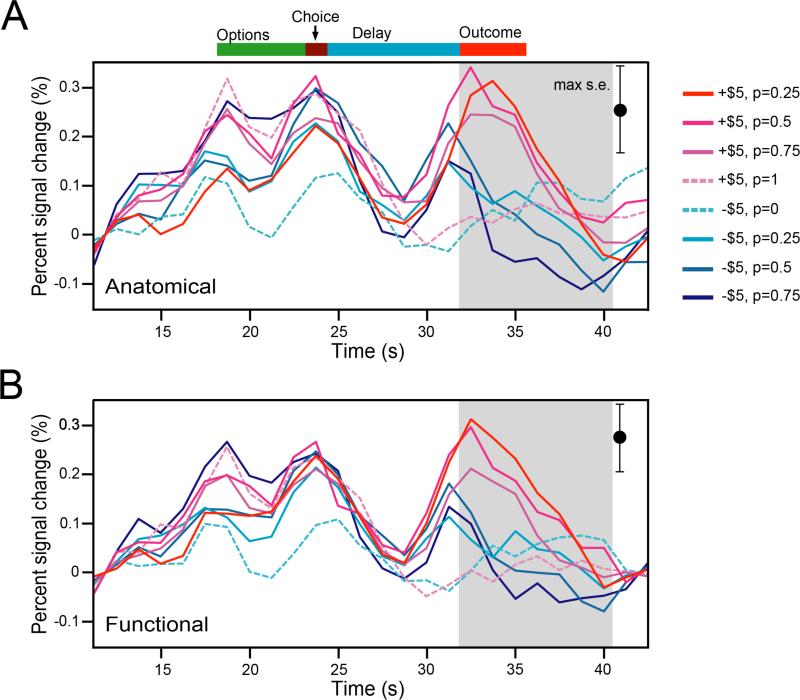
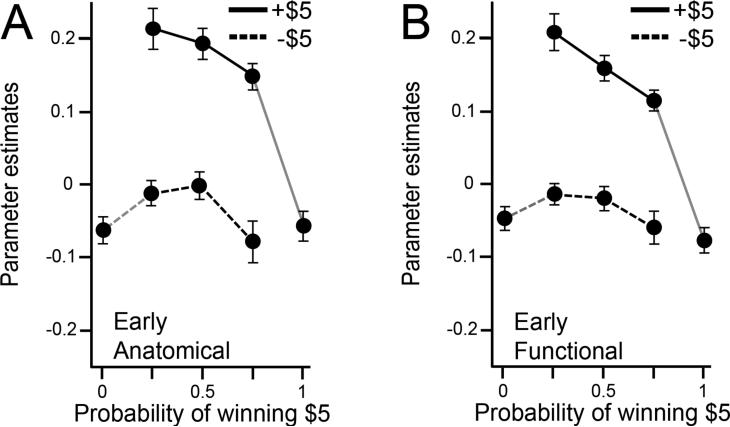
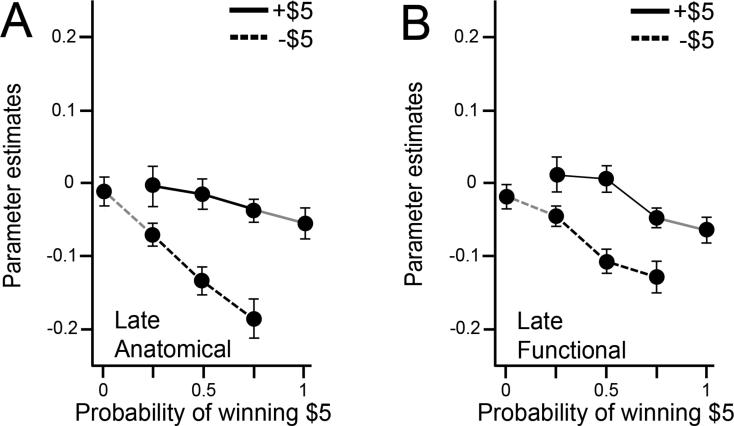
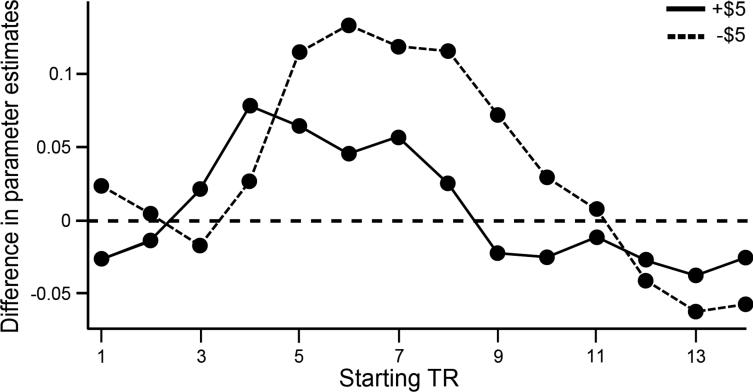
The neurotransmitter dopamine is central to the emerging discipline of neuroeconomics; it is hypothesized to encode the difference between expected and realized rewards and thereby to mediate belief formation and choice. We develop the first formal test of this theory of dopaminergic function, based on a recent axiomatization by Caplin and Dean [2008A]. These tests are satisfied by neural activity in the nucleus accumbens, an area rich in dopamine receptors. We find evidence for separate positive and negative reward prediction error signals, suggesting that behavioral asymmetries in response to losses and gains may parallel asymmetries in nucleus accumbens activity.
神经递质多巴胺是新兴的神经经济学学科的核心;据推测,它编码预期奖励与实际奖励之间的差异,从而介导信念形成和选择。我们基于卡普林和迪恩[2008A]最近的公理化方法,对这种多巴胺能功能理论进行了首次正式检验。伏隔核中的神经活动满足了这些检验,伏隔核是一个富含多巴胺受体的区域。我们发现了分别存在正向和负向奖励预测误差信号的证据,这表明在面对损失和收益时的行为不对称可能与伏隔核活动的不对称情况相似。