The George Institute for Global Health, Food Policy Division, Camperdown, Australia.
JMIR Mhealth Uhealth. 2014 Aug 21;2(3):e37. doi: 10.2196/mhealth.3230.
Front-of-pack nutrition labeling (FoPL) schemes can help consumers understand the nutritional content of foods and may aid healthier food choices. However, most packaged foods in Australia carry no easily interpretable FoPL, and no standard FoPL system has yet been mandated. About two thirds of Australians now own a smartphone.
We sought to develop a mobile phone app that would provide consumers with easy-to-understand nutrition information and support the selection of healthier choices when shopping for food.
An existing branded food database including 17,000 Australian packaged foods underpinned the project. An iterative process of development, review, and testing was undertaken to define a user interface that could deliver nutritional information. A parallel process identified the best approach to rank foods based on nutritional content, so that healthier alternative products could be recommended.
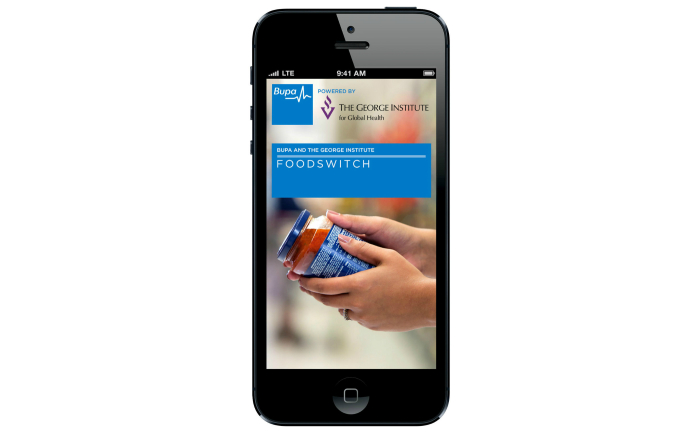
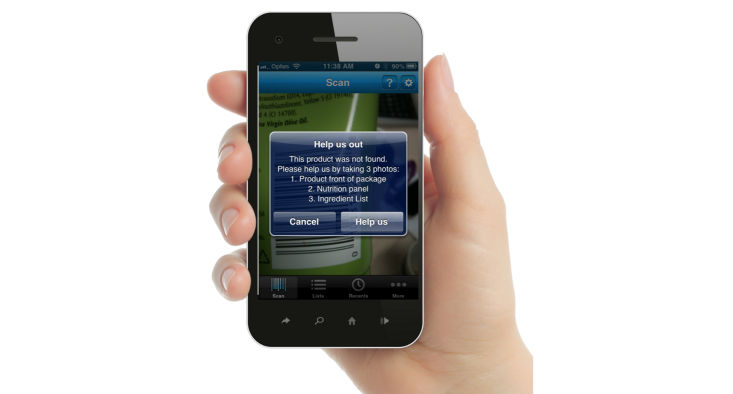
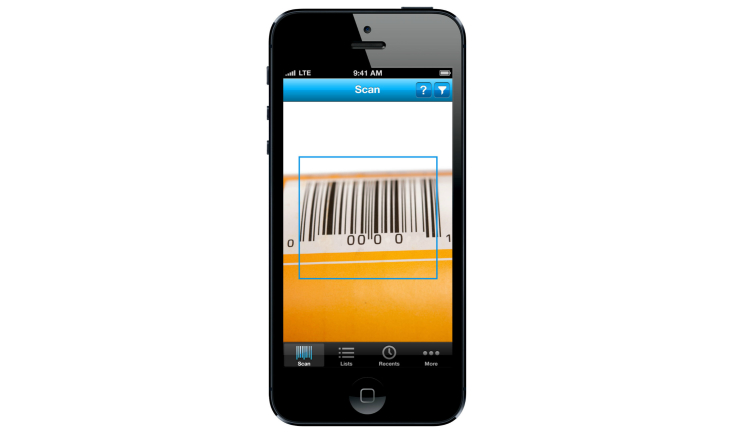
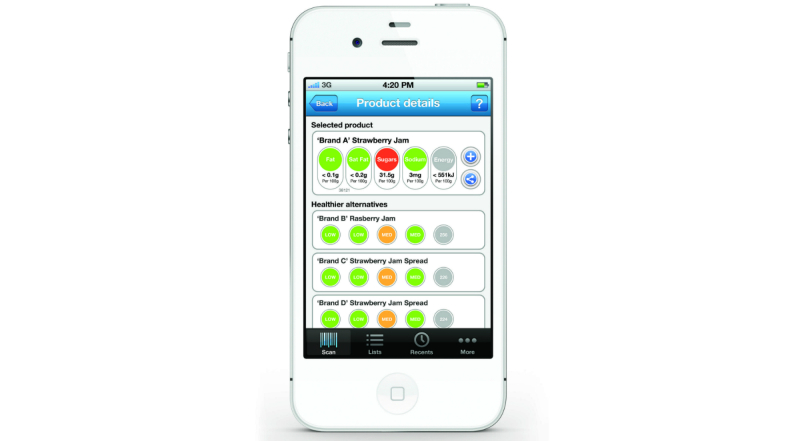
Barcode scanning technology was identified as the optimal mechanism for interaction of the mobile phone with the food database. Traffic light labels were chosen as the preferred format for presenting nutritional information, and the Food Standards Australia New Zealand nutrient profiling method as the best strategy for identifying healthier products. The resulting FoodSwitch mobile phone app was launched in Australia in January 2012 and was downloaded by about 400,000 users in the first 18 months. FoodSwitch has maintained a 4-plus star rating, and more than 2000 users have provided feedback about the functionality. Nutritional information for more than 30,000 additional products has been obtained from users through a crowdsourcing function integrated within the app.
FoodSwitch has empowered Australian consumers seeking to make better food choices. In parallel, the huge volume of crowdsourced data has provided a novel means for low-cost, real-time tracking of the nutritional composition of Australian foods. There appears to be significant opportunity for this approach in many other countries.
食品外包装营养标签(Front-of-pack nutrition labeling,FoPL)方案可以帮助消费者了解食品的营养成分,从而帮助他们做出更健康的食物选择。然而,澳大利亚的大多数包装食品都没有易于理解的 FoPL,也没有强制要求使用标准的 FoPL 系统。现在,大约三分之二的澳大利亚人拥有智能手机。
我们旨在开发一款手机应用程序,为消费者提供易于理解的营养信息,并在购物时支持他们选择更健康的食品。
该项目的基础是一个现有的品牌食品数据库,其中包含 17000 种澳大利亚包装食品。我们通过迭代的开发、审查和测试过程来定义一个用户界面,以提供营养信息。同时,我们还开展了一个平行的流程,以确定基于营养成分对食品进行排名的最佳方法,从而推荐更健康的替代产品。
我们确定了条码扫描技术是手机与食品数据库交互的最佳机制。选择红绿灯标签作为呈现营养信息的首选格式,以及澳大利亚新西兰食品标准局的营养成分分析方法作为识别更健康产品的最佳策略。由此开发的 FoodSwitch 手机应用程序于 2012 年 1 月在澳大利亚推出,在头 18 个月内约有 40 万用户下载了该应用程序。FoodSwitch 一直保持着 4 星以上的评分,有 2000 多名用户对其功能提供了反馈。通过集成在应用程序中的众包功能,我们从用户那里获得了超过 30000 种额外产品的营养信息。
FoodSwitch 赋予了澳大利亚消费者做出更好食物选择的能力。与此同时,通过众包获得的大量数据为实时低成本跟踪澳大利亚食品的营养成分提供了一种新方法。这种方法在许多其他国家似乎有很大的机会。