Tanaka Komei, Wilson Richard M, Essick Eric E, Duffen Jennifer L, Scherer Philipp E, Ouchi Noriyuki, Sam Flora
From the Whitaker Cardiovascular Institute (K.T., R.M.W., E.E.E., J.L.D., N.O., F.S.) and Cardiovascular Section and Evans Department of Medicine (F.S.), Boston University School of Medicine, MA; and Touchstone Diabetes Center, Departments of Internal Medicine and Cell Biology, University of Texas Southwestern Medical Center, Dallas (P.E.S.).
Circ Heart Fail. 2014 Nov;7(6):976-85. doi: 10.1161/CIRCHEARTFAILURE.114.001279. Epub 2014 Aug 22.
Despite the increasing prevalence of heart failure with preserved ejection fraction (HFpEF) in humans, there remains no therapeutic options for HFpEF. Adiponectin, an adipocyte-derived cytokine, exerts cardioprotective actions, and its deficiency is implicated in the development of hypertension and HF with reduced ejection fraction. Similarly, adiponectin deficiency in HFpEF exacerbates left ventricular hypertrophy, diastolic dysfunction, and HF. However, the therapeutic effects of adiponectin in HFpEF remain unknown. We sought to test the hypothesis that chronic adiponectin overexpression protects against the progression of HF in a murine model of HFpEF.
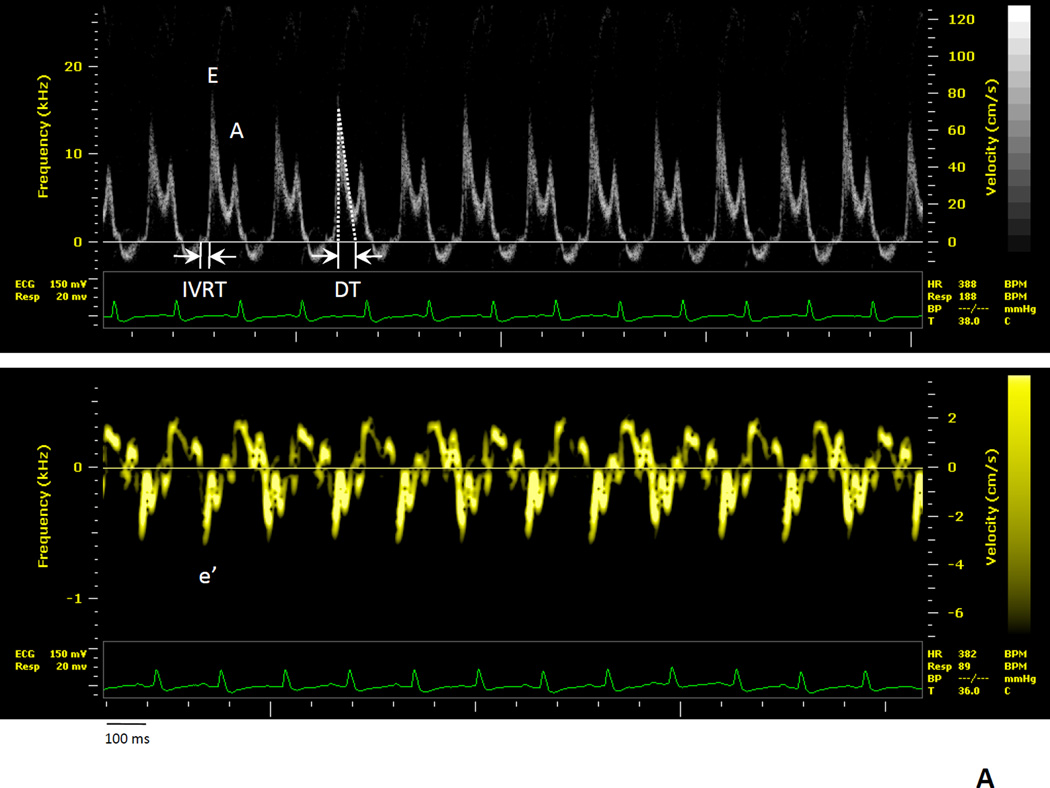
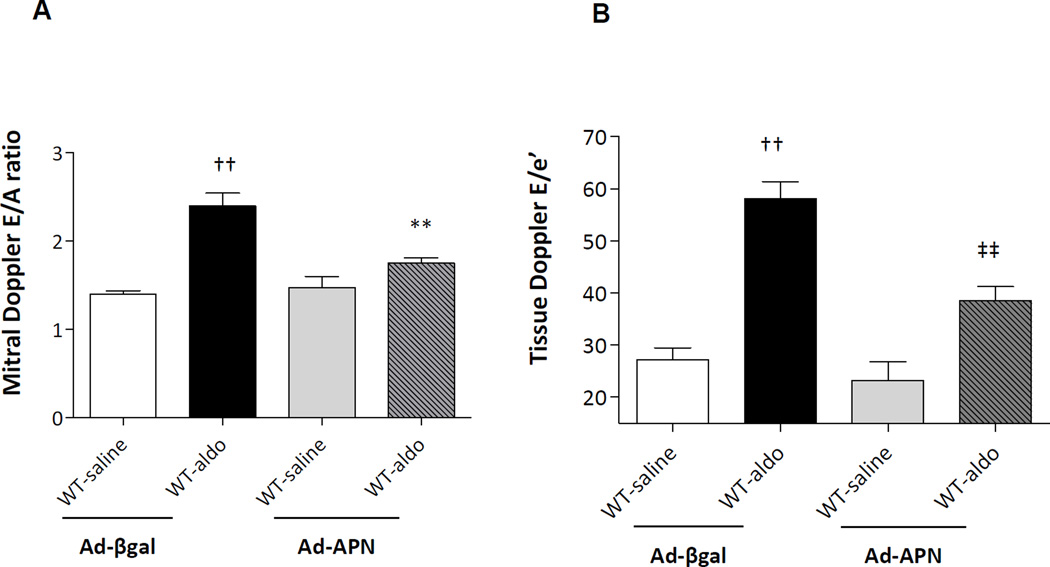
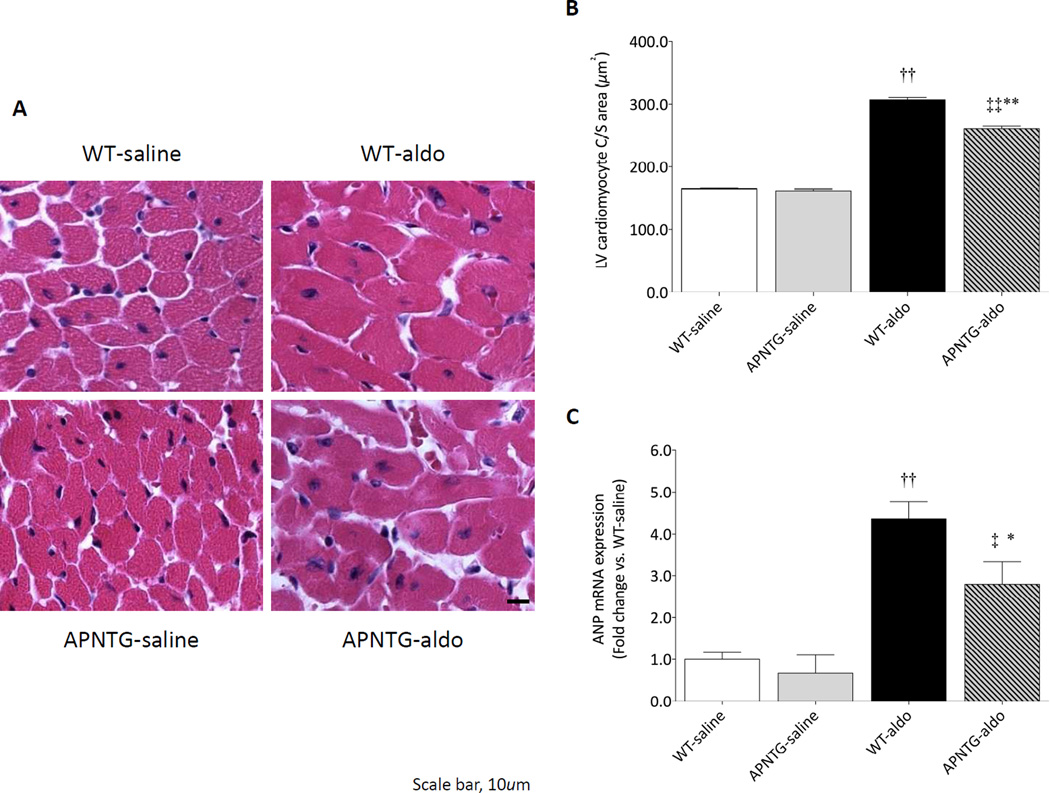
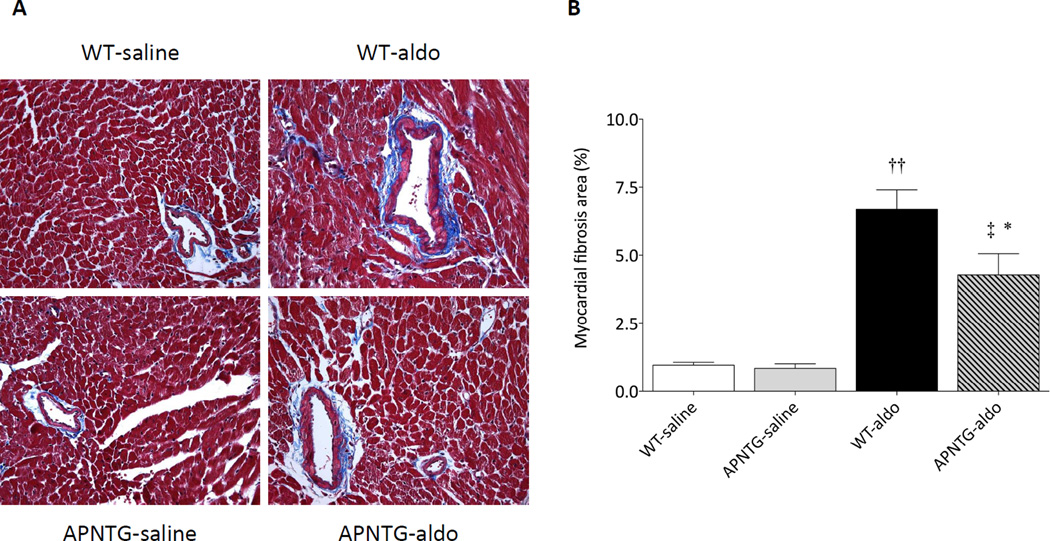
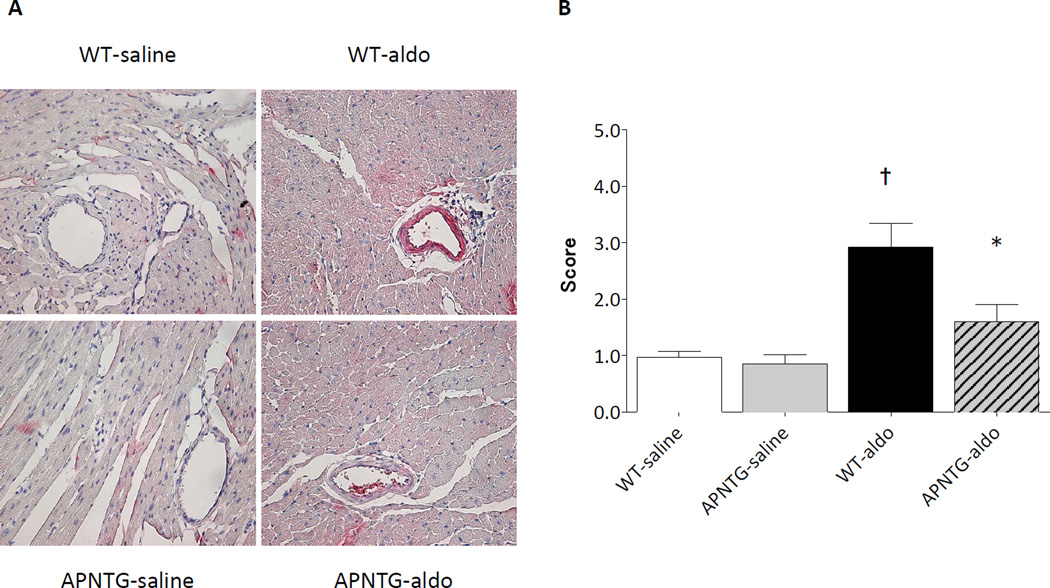
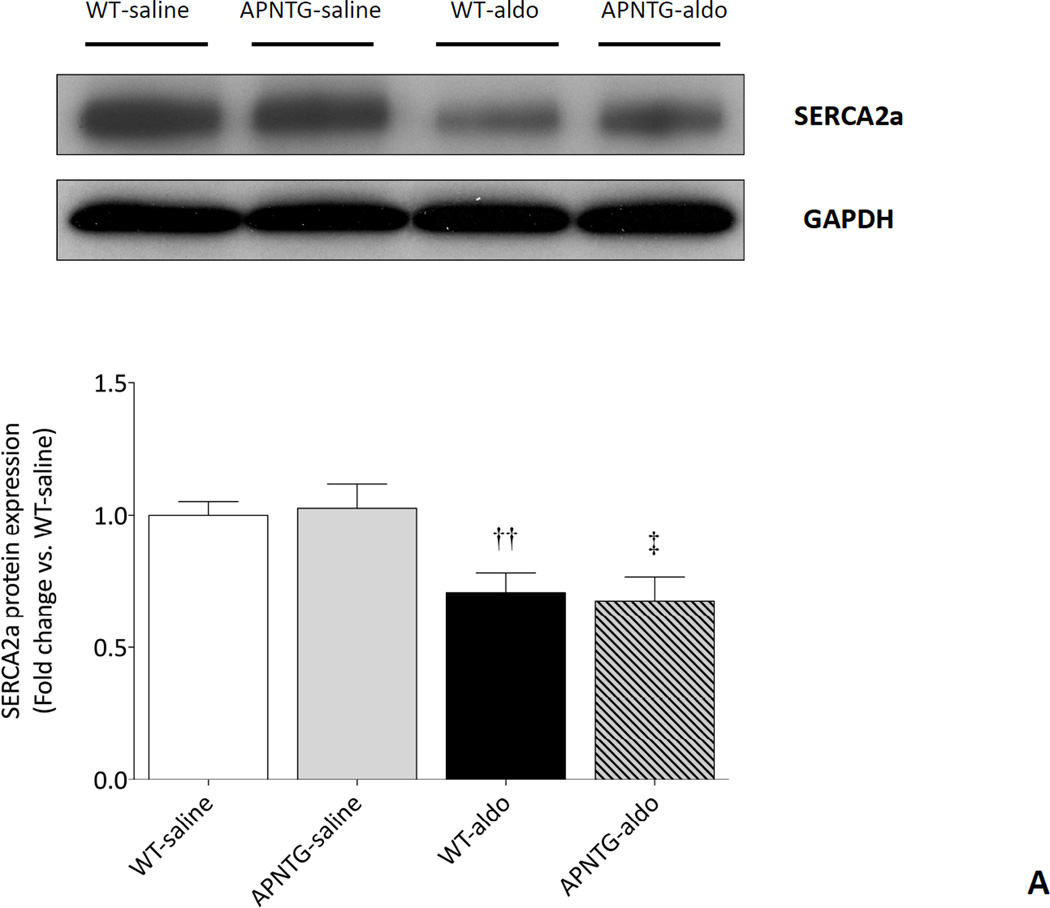
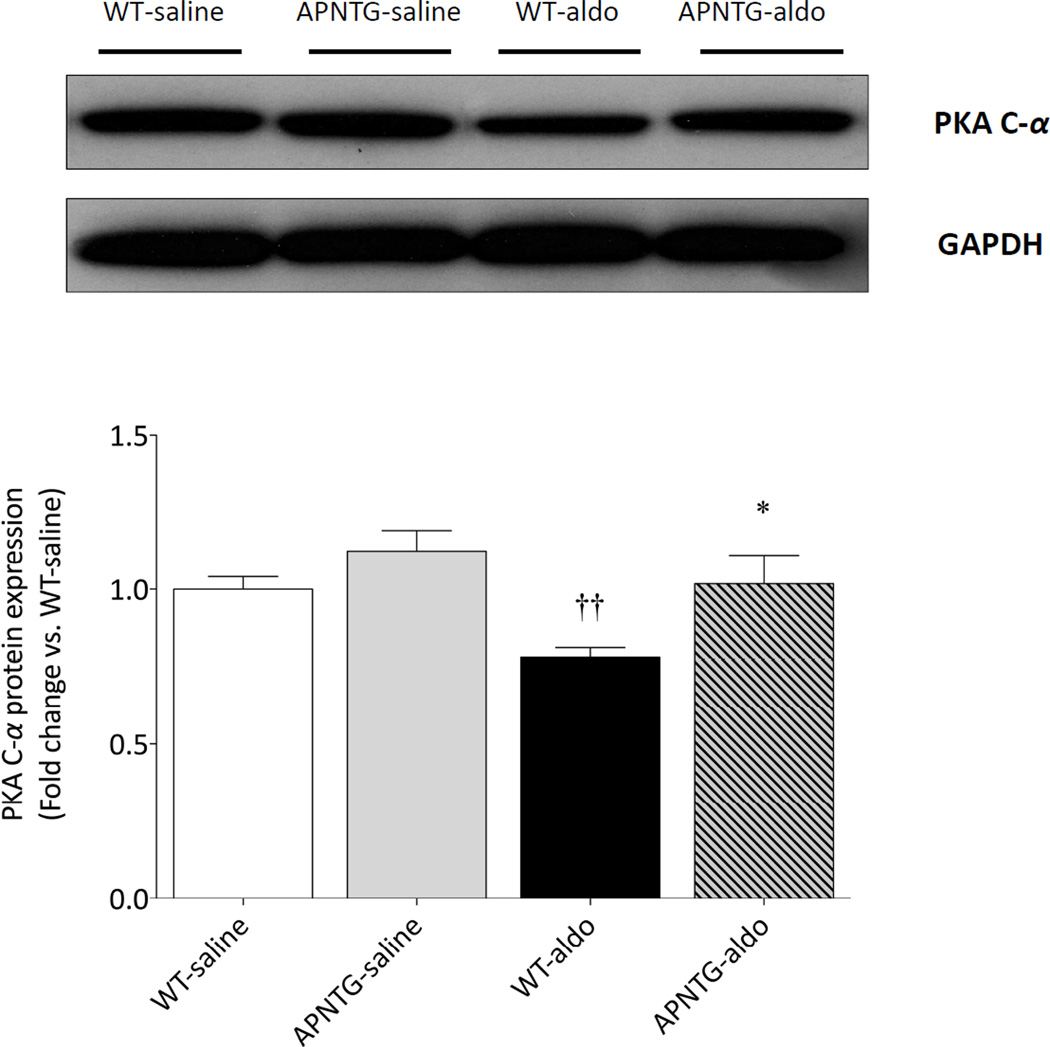
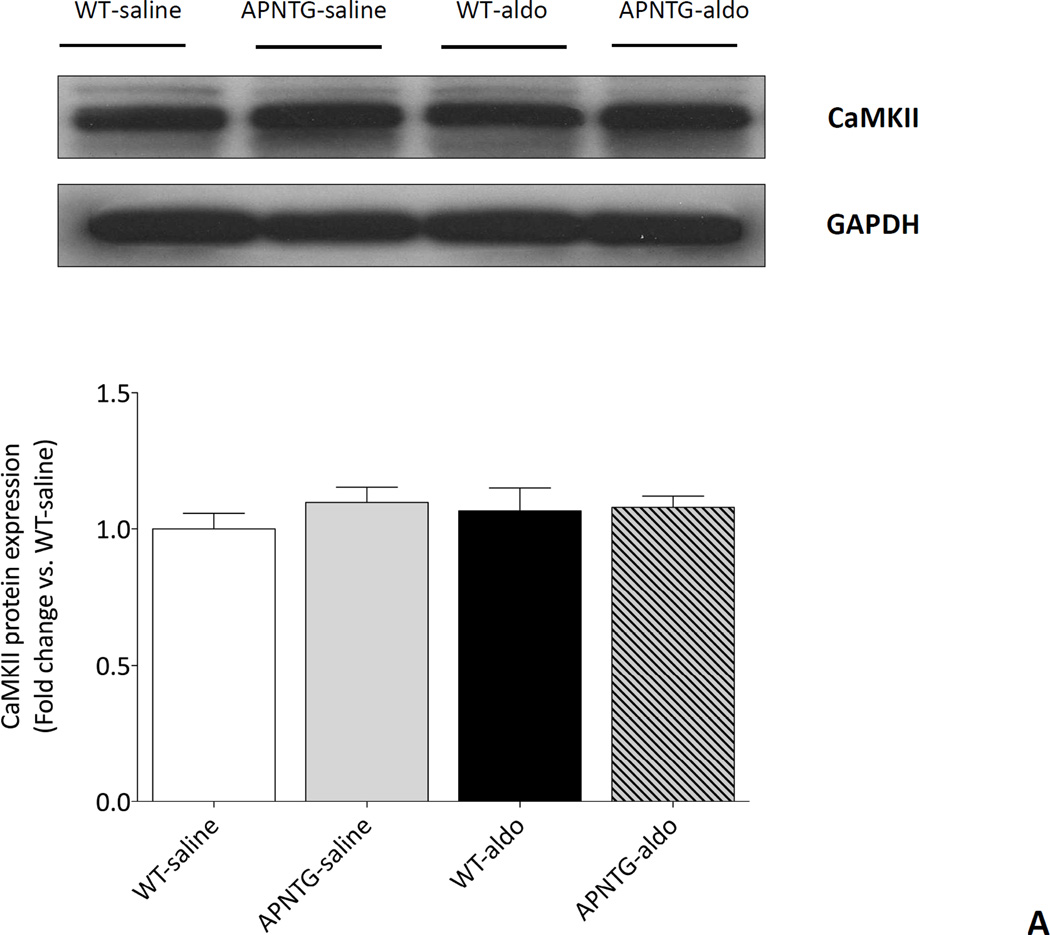
Adiponectin transgenic and wild-type mice underwent uninephrectomy, a continuous saline or d-aldosterone infusion and given 1.0% sodium chloride drinking water for 4 weeks. Aldosterone-infused wild-type mice developed HFpEF with hypertension, left ventricular hypertrophy, and diastolic dysfunction. Aldosterone infusion increased myocardial oxidative stress and decreased sarcoplasmic reticulum Ca(2+)-ATPase protein expression in HFpEF. Although total phospholamban protein expression was unchanged, there was a decreased expression of protein kinase A-dependent phospholamban phosphorylation at Ser16 and CaMKII (Ca(2+)/calmodulin-dependent protein kinase II)-dependent phospholamban phosphorylation at Thr17. Adiponectin overexpression in aldosterone-infused mice ameliorated left ventricular hypertrophy, diastolic dysfunction, lung congestion, and myocardial oxidative stress without affecting blood pressure and left ventricular EF. This improvement in diastolic dysfunction parameters in aldosterone-infused adiponectin transgenic mice was accompanied by the preserved protein expression of protein kinase A-dependent phosphorylation of phospholamban at Ser16. Adiponectin replacement prevented the progression of aldosterone-induced HFpEF, independent of blood pressure, by improving diastolic dysfunction and by modulating cardiac hypertrophy.
These findings suggest that adiponectin may have therapeutic effects in patients with HFpEF.
尽管射血分数保留的心力衰竭(HFpEF)在人类中的患病率不断上升,但目前仍没有针对HFpEF的治疗选择。脂联素是一种脂肪细胞衍生的细胞因子,具有心脏保护作用,其缺乏与高血压和射血分数降低的心力衰竭的发生有关。同样,HFpEF中脂联素缺乏会加剧左心室肥厚、舒张功能障碍和心力衰竭。然而,脂联素在HFpEF中的治疗效果仍不清楚。我们试图验证慢性脂联素过表达可预防HFpEF小鼠模型中心力衰竭进展的假说。
对脂联素转基因小鼠和野生型小鼠进行单侧肾切除术,持续输注生理盐水或d-醛固酮,并给予1.0%氯化钠饮用水,持续4周。输注醛固酮的野生型小鼠发生了伴有高血压、左心室肥厚和舒张功能障碍的HFpEF。在HFpEF中,输注醛固酮会增加心肌氧化应激,并降低肌浆网Ca(2+)-ATP酶蛋白表达。尽管受磷蛋白的总蛋白表达没有变化,但蛋白激酶A依赖的Ser16位点受磷蛋白磷酸化以及CaMKII(Ca(2+)/钙调蛋白依赖性蛋白激酶II)依赖的Thr17位点受磷蛋白磷酸化的表达均降低。在输注醛固酮的小鼠中,脂联素过表达改善了左心室肥厚、舒张功能障碍、肺充血和心肌氧化应激,而不影响血压和左心室射血分数。在输注醛固酮的脂联素转基因小鼠中,舒张功能障碍参数的这种改善伴随着Ser16位点受磷蛋白的蛋白激酶A依赖性磷酸化蛋白表达的保留。脂联素替代通过改善舒张功能障碍和调节心脏肥厚,独立于血压,预防了醛固酮诱导的HFpEF的进展。
这些发现表明脂联素可能对HFpEF患者具有治疗作用。