• 文献检索
  • 文档翻译
  • 深度研究
  • 学术资讯
  • Suppr Zotero 插件Zotero 插件
  • 邀请有礼
  • 套餐&价格
  • 历史记录
应用&插件
Suppr Zotero 插件Zotero 插件浏览器插件Mac 客户端Windows 客户端微信小程序
定价
高级版会员购买积分包购买API积分包
服务
文献检索文档翻译深度研究API 文档MCP 服务
关于我们
关于 Suppr公司介绍联系我们用户协议隐私条款
关注我们

Suppr 超能文献

核心技术专利:CN118964589B侵权必究
粤ICP备2023148730 号-1Suppr @ 2026

文献检索

告别复杂PubMed语法,用中文像聊天一样搜索,搜遍4000万医学文献。AI智能推荐,让科研检索更轻松。

立即免费搜索

文件翻译

保留排版,准确专业,支持PDF/Word/PPT等文件格式,支持 12+语言互译。

免费翻译文档

深度研究

AI帮你快速写综述,25分钟生成高质量综述,智能提取关键信息,辅助科研写作。

立即免费体验

在接触单宁酸饮食期间,唾液蛋白的诱导会改变口腔感觉和摄食后反馈的指标。

Induction of salivary proteins modifies measures of both orosensory and postingestive feedback during exposure to a tannic acid diet.

作者信息

Torregrossa Ann-Marie, Nikonova Larissa, Bales Michelle B, Villalobos Leal Maria, Smith James C, Contreras Robert J, Eckel Lisa A

机构信息

Department of Psychology, Program in Neuroscience, Florida State University, Tallahassee, Florida, United States of America.

出版信息

PLoS One. 2014 Aug 27;9(8):e105232. doi: 10.1371/journal.pone.0105232. eCollection 2014.

DOI:10.1371/journal.pone.0105232
PMID:25162297
原文链接:https://pmc.ncbi.nlm.nih.gov/articles/PMC4146545/
Abstract

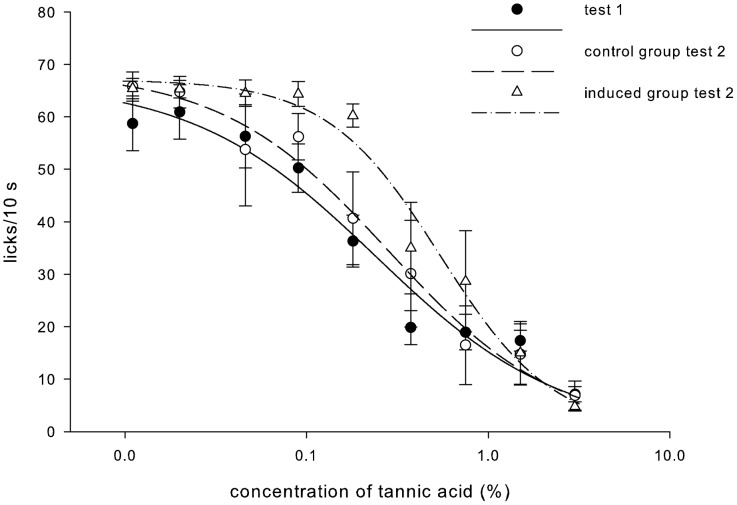
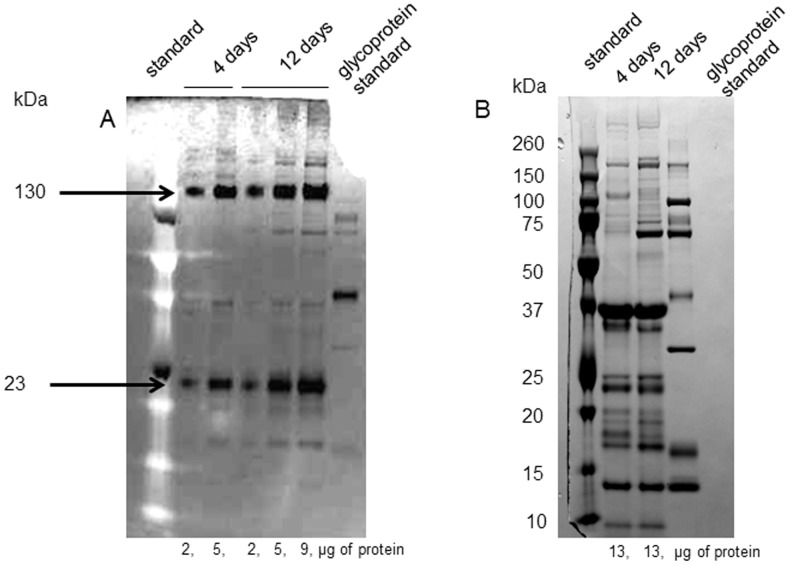
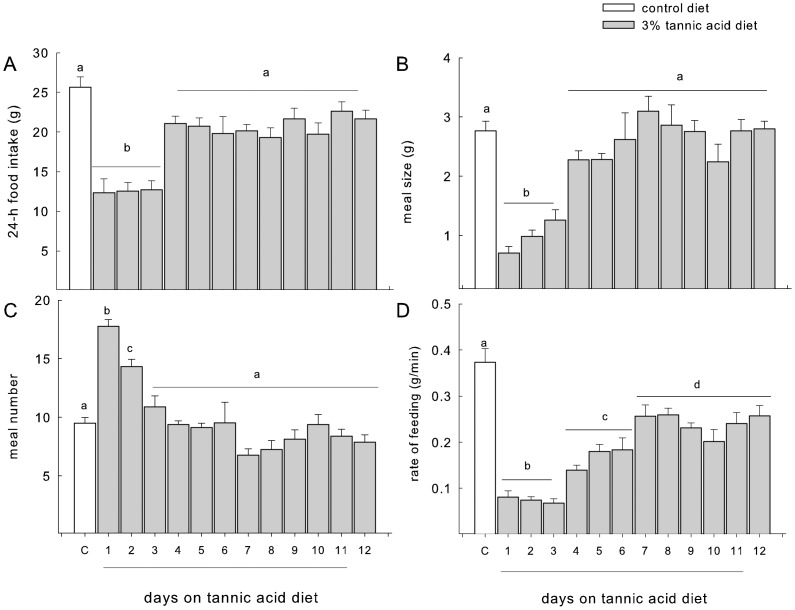
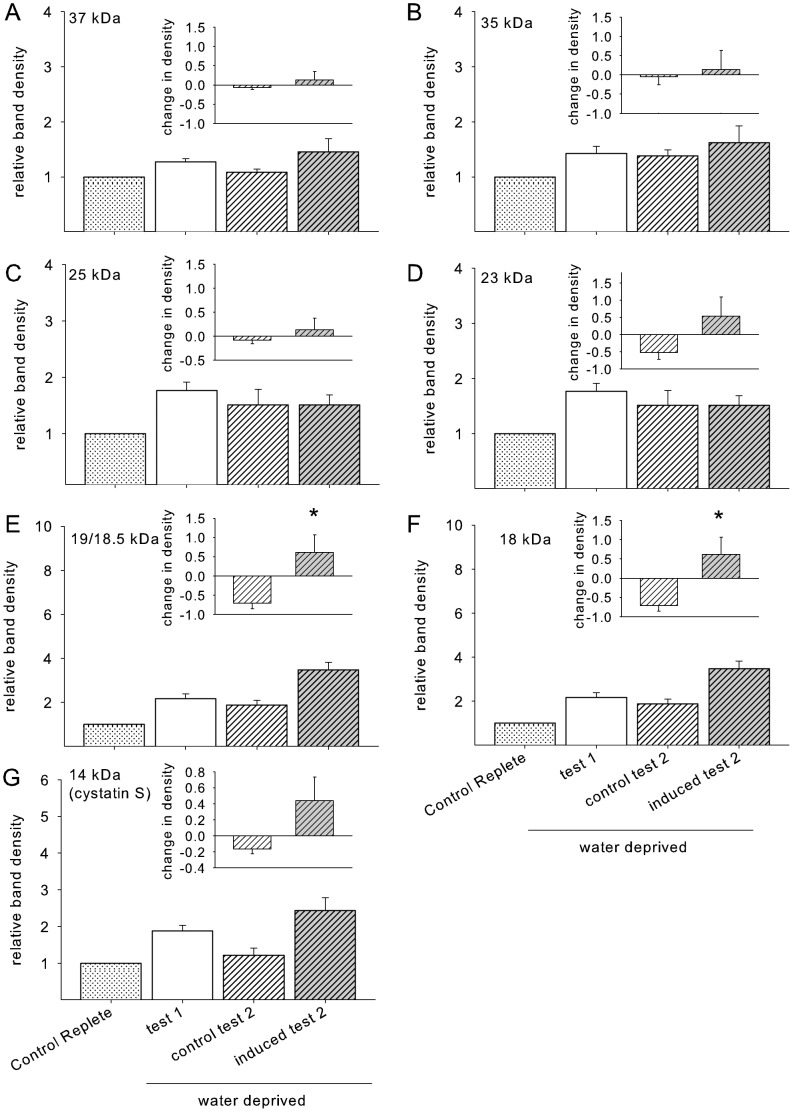
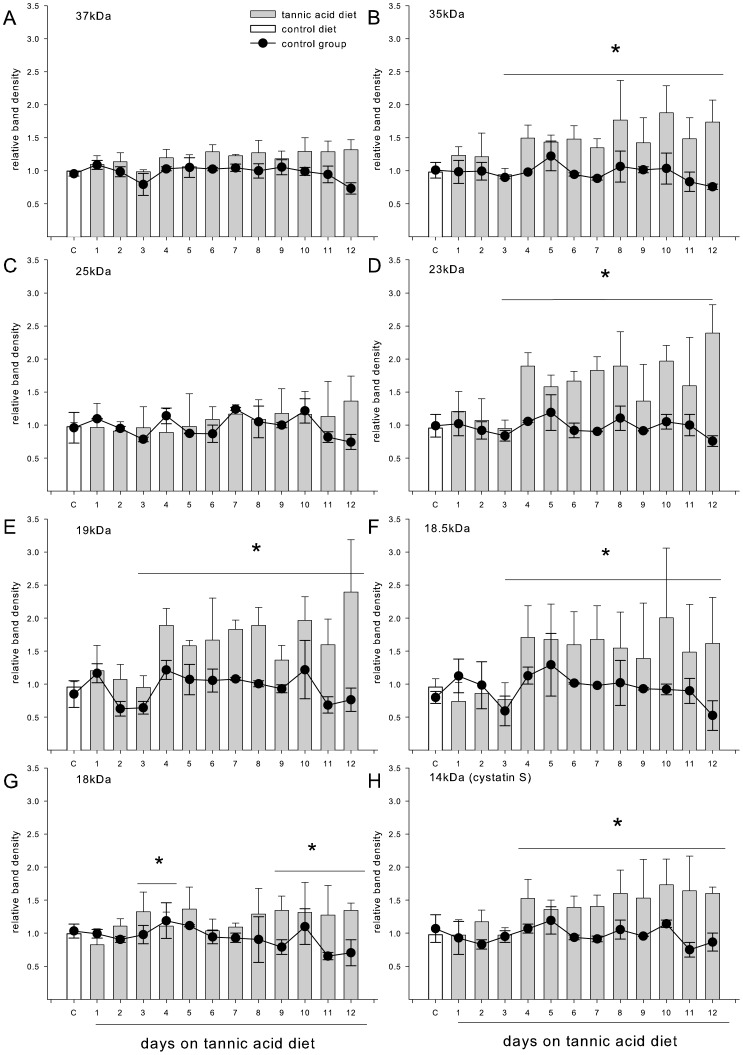
There are hundreds of proteins in saliva. Although it has long been hypothesized that these proteins modulate taste by interacting with taste receptors or taste stimuli, the functional impact of these proteins on feeding remains relatively unexplored. We have developed a new technique for saliva collection that does not interfere with daily behavioral testing and allows us to explore the relationship between feeding behavior and salivary protein expression. First, we monitored the alterations in salivary protein expression while simultaneously monitoring the animals' feeding behavior and meal patterns on a custom control diet or on the same diet mixed with 3% tannic acid. We demonstrated that six protein bands increased in density with dietary tannic acid exposure. Several of these bands were significantly correlated with behaviors thought to represent both orosensory and postingestive signaling. In a follow-up experiment, unconditioned licking to 0.01-3% tannic acid solutions was measured during a brief-access taste test before and after exposure to the tannic acid diet. In this experiment, rats with salivary proteins upregulated found the tannin solution less aversive (i.e., licked more) than those in the control condition. These data suggest a role for salivary proteins in mediating changes in both orosensory and postingestive feedback.

摘要

唾液中有数百种蛋白质。尽管长期以来一直有人假设这些蛋白质通过与味觉受体或味觉刺激物相互作用来调节味觉,但这些蛋白质对进食的功能影响仍相对未被探索。我们开发了一种新的唾液收集技术,该技术不会干扰日常行为测试,并使我们能够探索进食行为与唾液蛋白质表达之间的关系。首先,我们监测唾液蛋白质表达的变化,同时监测动物在定制对照饮食或与3%单宁酸混合的相同饮食上的进食行为和进食模式。我们证明,随着饮食中暴露于单宁酸,六个蛋白条带的密度增加。其中几个条带与被认为代表口腔感觉和摄食后信号传导的行为显著相关。在后续实验中,在暴露于单宁酸饮食之前和之后的短暂接触味觉测试期间,测量了对0.01 - 3%单宁酸溶液的非条件舔舐。在这个实验中,唾液蛋白质上调的大鼠比对照条件下的大鼠发现单宁溶液的厌恶感更小(即舔舐更多)。这些数据表明唾液蛋白质在介导口腔感觉和摄食后反馈的变化中起作用。
https://cdn.ncbi.nlm.nih.gov/pmc/blobs/119a/4146545/634315a814f3/pone.0105232.g006.jpg
https://cdn.ncbi.nlm.nih.gov/pmc/blobs/119a/4146545/2159b79238a2/pone.0105232.g001.jpg
https://cdn.ncbi.nlm.nih.gov/pmc/blobs/119a/4146545/db6db62847bb/pone.0105232.g002.jpg
https://cdn.ncbi.nlm.nih.gov/pmc/blobs/119a/4146545/4d3dd763b8b2/pone.0105232.g003.jpg
https://cdn.ncbi.nlm.nih.gov/pmc/blobs/119a/4146545/a152f25389f9/pone.0105232.g004.jpg
https://cdn.ncbi.nlm.nih.gov/pmc/blobs/119a/4146545/ffe8ae17e646/pone.0105232.g005.jpg
https://cdn.ncbi.nlm.nih.gov/pmc/blobs/119a/4146545/634315a814f3/pone.0105232.g006.jpg
https://cdn.ncbi.nlm.nih.gov/pmc/blobs/119a/4146545/2159b79238a2/pone.0105232.g001.jpg
https://cdn.ncbi.nlm.nih.gov/pmc/blobs/119a/4146545/db6db62847bb/pone.0105232.g002.jpg
https://cdn.ncbi.nlm.nih.gov/pmc/blobs/119a/4146545/4d3dd763b8b2/pone.0105232.g003.jpg
https://cdn.ncbi.nlm.nih.gov/pmc/blobs/119a/4146545/a152f25389f9/pone.0105232.g004.jpg
https://cdn.ncbi.nlm.nih.gov/pmc/blobs/119a/4146545/ffe8ae17e646/pone.0105232.g005.jpg
https://cdn.ncbi.nlm.nih.gov/pmc/blobs/119a/4146545/634315a814f3/pone.0105232.g006.jpg

相似文献

1
Induction of salivary proteins modifies measures of both orosensory and postingestive feedback during exposure to a tannic acid diet.在接触单宁酸饮食期间,唾液蛋白的诱导会改变口腔感觉和摄食后反馈的指标。
PLoS One. 2014 Aug 27;9(8):e105232. doi: 10.1371/journal.pone.0105232. eCollection 2014.
2
Salivary proteins alter taste-guided behaviors and taste nerve signaling in rat.唾液蛋白会改变大鼠的味觉引导行为和味觉神经信号。
Physiol Behav. 2018 Feb 1;184:150-161. doi: 10.1016/j.physbeh.2017.11.021. Epub 2017 Nov 21.
3
Altering salivary protein profile can increase acceptance of a novel bitter diet.改变唾液蛋白谱可以提高对新苦味饮食的接受度。
Appetite. 2019 May 1;136:8-17. doi: 10.1016/j.appet.2019.01.011. Epub 2019 Jan 10.
4
Bitter-Induced Salivary Proteins Increase Detection Threshold of Quinine, But Not Sucrose.苦味诱导的唾液蛋白增加了奎宁的检测阈值,但对蔗糖没有影响。
Chem Senses. 2019 Jul 17;44(6):379-388. doi: 10.1093/chemse/bjz021.
5
Altering salivary protein profile can decrease aversive oromotor responding to quinine in rats.改变唾液蛋白质谱可减少大鼠对奎宁的厌恶口腔运动反应。
Physiol Behav. 2020 Sep 1;223:113005. doi: 10.1016/j.physbeh.2020.113005. Epub 2020 Jun 9.
6
Anatomical dissociation of melanocortin receptor agonist effects on taste- and gut-sensitive feeding processes.味觉和肠道敏感进食过程中黑皮质素受体激动剂作用的解剖分离。
Am J Physiol Regul Integr Comp Physiol. 2011 Oct;301(4):R1044-56. doi: 10.1152/ajpregu.00577.2010. Epub 2011 Jul 6.
7
Salivary protein levels as a predictor of perceived astringency in model systems and solid foods.唾液蛋白水平作为模型体系和固体食物中涩味感知的预测指标。
Physiol Behav. 2016 Sep 1;163:56-63. doi: 10.1016/j.physbeh.2016.04.043. Epub 2016 Apr 27.
8
Orosensory stimulation is sufficient and postingestive negative feedback is not necessary for neuropeptide Y to increase sucrose intake.口腔感觉刺激就足以使神经肽Y增加蔗糖摄入量,而摄食后负反馈并非必要条件。
Physiol Behav. 2006 Apr 15;87(4):773-80. doi: 10.1016/j.physbeh.2006.01.018. Epub 2006 Mar 15.
9
The role of saliva in taste and food intake.唾液在味觉和食物摄入中的作用。
Physiol Behav. 2023 Apr 1;262:114109. doi: 10.1016/j.physbeh.2023.114109. Epub 2023 Feb 4.
10
Tropical tannin-rich fodder intake modifies saliva-binding capacity in growing sheep.热带富含单宁的饲料摄入会改变生长羊的唾液结合能力。
Animal. 2013 Dec;7(12):1921-4. doi: 10.1017/S1751731113001651. Epub 2013 Oct 7.

引用本文的文献

1
Salivary response of Geoffroy's spider monkeys () to consumption of plant secondary metabolites.Geoffroy蜘蛛猴()对植物次生代谢产物消耗的唾液反应。
PeerJ. 2025 Jun 6;13:e19354. doi: 10.7717/peerj.19354. eCollection 2025.
2
Bitter and Sweet Diets Alter Taste Response and Alcohol Consumption Behavior in Mice.苦味和甜味饮食改变小鼠的味觉反应和酒精消费行为。
Nutrients. 2025 Feb 28;17(5):874. doi: 10.3390/nu17050874.
3
Sex differences in diet-mediated salivary protein upregulation.饮食介导的唾液蛋白上调中的性别差异。

本文引用的文献

1
Different phenolic compounds activate distinct human bitter taste receptors.不同的酚类化合物激活不同的人类苦味受体。
J Agric Food Chem. 2013 Feb 20;61(7):1525-33. doi: 10.1021/jf304198k. Epub 2013 Feb 6.
2
Sialic acid reduction in the saliva of streptozotocin induced diabetic rats.链脲佐菌素诱导糖尿病大鼠唾液中唾液酸的减少。
Arch Oral Biol. 2012 Sep;57(9):1189-93. doi: 10.1016/j.archoralbio.2012.02.016. Epub 2012 Mar 13.
3
Salivary protein profiles and sensitivity to the bitter taste of caffeine.唾液蛋白谱与咖啡因苦味敏感度。
Appetite. 2025 Mar 1;207:107888. doi: 10.1016/j.appet.2025.107888. Epub 2025 Jan 25.
4
TRPM4 and PLCβ3 contribute to normal behavioral responses to an array of sweeteners and carbohydrates but PLCβ3 is not needed for taste-driven licking for glucose.瞬时受体电位通道蛋白4(TRPM4)和磷脂酶Cβ3(PLCβ3)有助于机体对一系列甜味剂和碳水化合物产生正常的行为反应,但味觉驱动的葡萄糖舔舐行为并不需要磷脂酶Cβ3。
Chem Senses. 2024 Jan 1;49. doi: 10.1093/chemse/bjae001.
5
Patterns of ingestion of rats during chronic oral administration of lithium chloride.大鼠在慢性经口给予氯化锂期间的摄食模式。
Physiol Behav. 2024 Mar 1;275:114454. doi: 10.1016/j.physbeh.2023.114454. Epub 2023 Dec 30.
6
Salivary proteins rescue within-session suppression and conditioned avoidance in response to an intragastric quinine infusion.唾液蛋白可挽救内程抑制和条件回避反应,以响应胃内奎宁输注。
Physiol Behav. 2024 Feb 1;274:114430. doi: 10.1016/j.physbeh.2023.114430. Epub 2023 Dec 7.
7
Salivary flow and turbidity development inconsistently associated with lower taste intensity of vegetables and juices.唾液分泌量和浑浊度的变化与蔬菜和果汁较低的味觉强度之间的关联并不一致。
Food Qual Prefer. 2023 Feb;106. doi: 10.1016/j.foodqual.2023.104807. Epub 2023 Jan 7.
8
Mediterranean Diet: The Role of Phenolic Compounds from Aromatic Plant Foods.地中海饮食:芳香植物性食物中酚类化合物的作用
Foods. 2023 Feb 16;12(4):840. doi: 10.3390/foods12040840.
9
The role of saliva in taste and food intake.唾液在味觉和食物摄入中的作用。
Physiol Behav. 2023 Apr 1;262:114109. doi: 10.1016/j.physbeh.2023.114109. Epub 2023 Feb 4.
10
Influence of tannic acid concentration on the physicochemical characteristics of saliva of spider monkeys ().单宁酸浓度对蜘蛛猴唾液理化特性的影响()。
PeerJ. 2022 Nov 25;10:e14402. doi: 10.7717/peerj.14402. eCollection 2022.
Chem Senses. 2012 Jan;37(1):87-95. doi: 10.1093/chemse/bjr070. Epub 2011 Aug 25.
4
Gut bitter taste receptor signalling induces ABCB1 through a mechanism involving CCK.肠道苦味受体信号通过涉及 CCK 的机制诱导 ABCB1。
Biochem J. 2011 Aug 15;438(1):33-7. doi: 10.1042/BJ20110009.
5
Alterations of the salivary secretory peptidome profile in children affected by type 1 diabetes.唾液分泌肽组谱在 1 型糖尿病患儿中的改变。
Mol Cell Proteomics. 2010 Oct;9(10):2099-108. doi: 10.1074/mcp.M110.001057. Epub 2010 Jun 28.
6
Retraction Notice To: Potential Health Benefits of Broccoli- A Chemico-Biological Overview.撤稿通知 致:西兰花的潜在健康益处——化学-生物学概述
Mini Rev Med Chem. 2009 Jun;9(6):749-59. doi: 10.2174/138955709788452685.
7
Saliva characteristics and individual sensitivity to phenolic astringent stimuli.唾液特征与个体对酚类收敛性刺激的敏感性。
Chem Senses. 2009 May;34(4):295-304. doi: 10.1093/chemse/bjp003. Epub 2009 Feb 4.
8
A physiological model of tea-induced astringency.茶致涩味的生理模型。
Physiol Behav. 2008 Oct 20;95(3):290-4. doi: 10.1016/j.physbeh.2008.05.023. Epub 2008 Jun 5.
9
The proteomes of human parotid and submandibular/sublingual gland salivas collected as the ductal secretions.收集作为导管分泌物的人类腮腺及颌下腺/舌下腺唾液的蛋白质组。
J Proteome Res. 2008 May;7(5):1994-2006. doi: 10.1021/pr700764j. Epub 2008 Mar 25.
10
Salivary amylase induction by tannin-enriched diets as a possible countermeasure against tannins.富含单宁的日粮诱导唾液淀粉酶作为对抗单宁的一种可能对策。
J Chem Ecol. 2008 Mar;34(3):376-87. doi: 10.1007/s10886-007-9413-z. Epub 2008 Feb 6.