BMC Evol Biol. 2014 Sep 13;14:201. doi: 10.1186/s12862-014-0201-4.
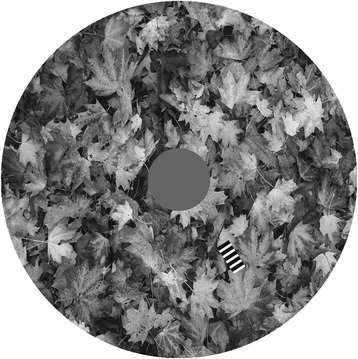
Stripes and other high contrast patterns found on animals have been hypothesised to cause "motion dazzle", a type of defensive coloration that operates when in motion, causing predators to misjudge the speed and direction of object movement. Several recent studies have found some support for this idea, but little is currently understood about the mechanisms underlying this effect. Using humans as model 'predators' in a touch screen experiment we investigated further the effectiveness of striped targets in preventing capture, and considered how stripes compare to other types of patterning in order to understand what aspects of target patterning are important in making a target difficult to capture.
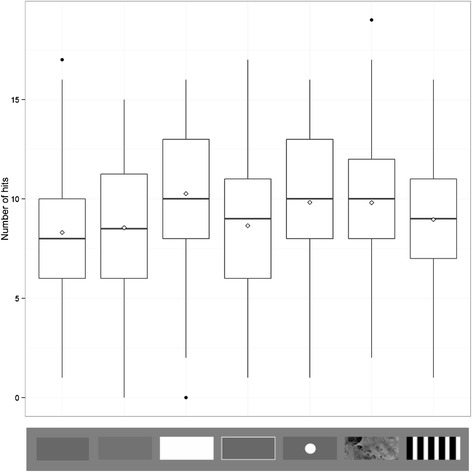
We find that striped targets are among the most difficult to capture, but that other patterning types are also highly effective at preventing capture in this task. Several target types, including background sampled targets and targets with a 'spot' on were significantly easier to capture than striped targets. We also show differences in capture attempt rates between different target types, but we find no differences in learning rates between target types.
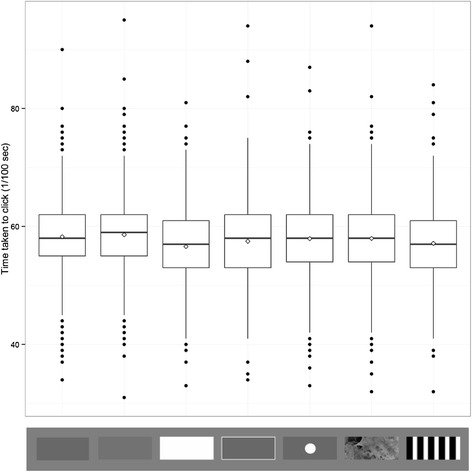
We conclude that striped targets are effective in preventing capture, but are not uniquely difficult to catch, with luminance matched grey targets also showing a similar capture rate. We show that key factors in making capture easier are a lack of average background luminance matching and having trackable 'features' on the target body. We also find that striped patterns are attempted relatively quickly, despite being difficult to catch. We discuss these findings in relation to the motion dazzle hypothesis and how capture rates may be affected more generally by pattern type.
动物身上的条纹和其他高对比图案被假设为会导致“运动炫晕”,这是一种防御性的颜色,在运动时起作用,使捕食者错误判断物体运动的速度和方向。最近的几项研究为这一观点提供了一些支持,但目前对这种效应的机制知之甚少。我们使用人类作为模型“捕食者”在触摸屏实验中进一步研究了条纹目标在防止捕获方面的有效性,并考虑了条纹与其他类型的图案相比的效果,以了解目标图案的哪些方面在使目标难以捕获方面很重要。
我们发现条纹目标是最难捕获的目标之一,但在这项任务中,其他图案类型也非常有效地防止了捕获。几种目标类型,包括背景采样目标和带有“点”的目标,比条纹目标更容易捕获。我们还展示了不同目标类型之间的捕获尝试率存在差异,但我们没有发现不同目标类型之间的学习率存在差异。
我们得出结论,条纹目标在防止捕获方面是有效的,但并不是唯一难以捕捉的目标,与亮度匹配的灰色目标相比,条纹目标的捕获率也相似。我们表明,使捕获更容易的关键因素是缺乏平均背景亮度匹配和目标身体上有可追踪的“特征”。我们还发现,尽管条纹图案很难捕捉,但捕食者相对较快地尝试了这些图案。我们根据运动炫晕假说以及图案类型如何更普遍地影响捕获率来讨论这些发现。