Carbon Nano Materials Group, ZJU-NHU United R&D Center, Center for Chemistry of High-Performance and Novel Materials, Key Lab of Applied Chemistry of Zhejiang Province, Department of Chemistry, Zhejiang University, 310028 Hangzhou, P. R. China.
Sci Rep. 2014 Sep 12;4:6349. doi: 10.1038/srep06349.
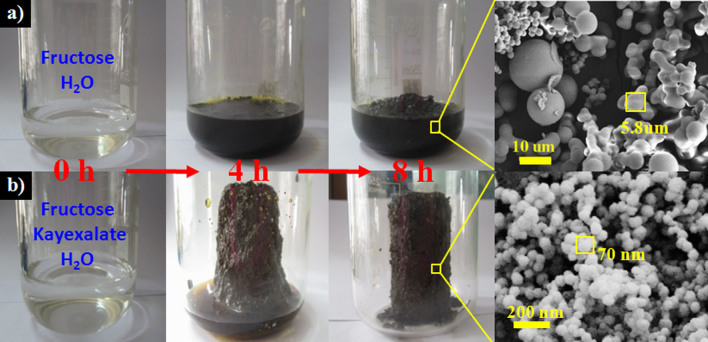
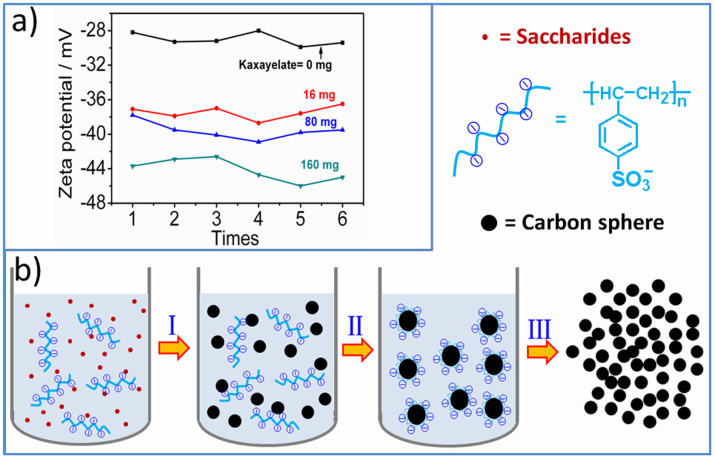
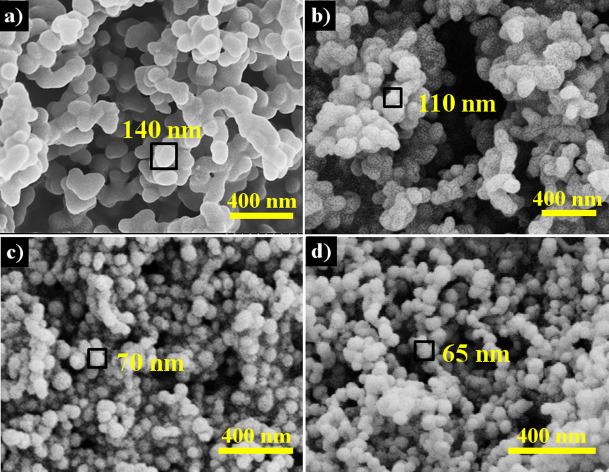
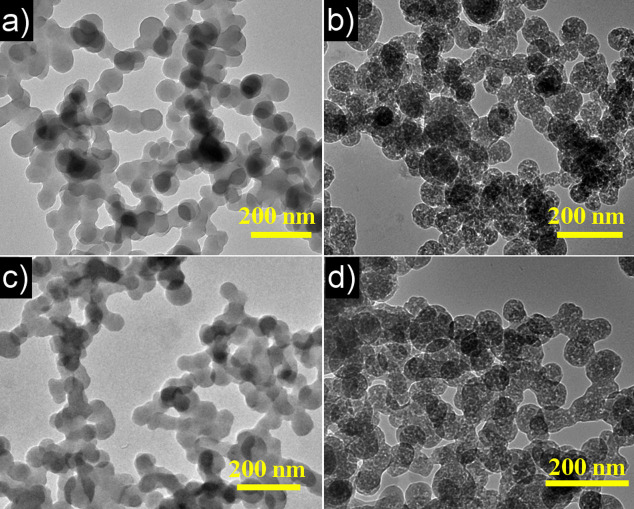
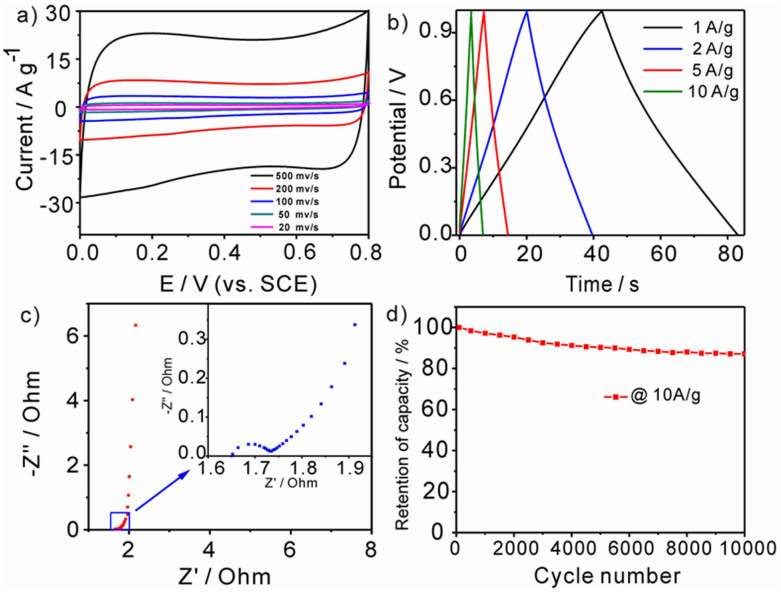
Fabrication of hierarchically porous carbon materials (HPCs) with high surface area and pore volume has always been pursued. However, the currently effective template methods and acid/base activation strategies suffer from the drawbacks of either high costs or tedious steps. Herein, HPCs with 3D macro-mesopores and short-range meso-micropores were fabricated via an easy and sustainable two-step method from biomass. Macro-mesopores were constructed by slightly accumulation/aggregation of carbon spheres ranging from 60 nm to 80 nm, providing efficient mass diffusion pathways. Short-range mesopores and micropores with high electrolyte accessibility were developed in these spheres by air activation. The obtained HPCs showed surface area values up to 1306 m(2)/g and high mesopore volume proportion (63.9%). They demonstrated excellent capacitance and low equivalent series resistance (ESR) as supercapacitor electrode materials, suggesting the efficient diffusion and adsorption of electrolyte ions in the designed hierarchically porous structure.
具有高比表面积和孔体积的分级多孔碳材料(HPCs)的制备一直备受关注。然而,目前有效的模板法和酸碱活化策略要么成本高,要么步骤繁琐。在此,通过一种简单可持续的两步生物质法制备了具有 3D 大介孔和短程中孔-微孔的 HPCs。大介孔是通过 60nm 到 80nm 的碳球的轻微堆积/聚集形成的,提供了有效的质量扩散途径。通过空气活化在这些碳球中开发了具有高电解质可及性的短程中孔和微孔。所得到的 HPCs 的比表面积高达 1306m(2)/g,并且具有高的中孔体积比例(63.9%)。作为超级电容器电极材料,它们表现出优异的电容和低的等效串联电阻(ESR),表明电解质离子在设计的分级多孔结构中的有效扩散和吸附。