NorLux Neuro-Oncology Laboratory, Department of Oncology, Centre de Recherche Public de la Santé Luxembourg, Luxembourg.
LCP, Luxembourg Clinical Proteomics Center, Centre de Recherche Public de la Santé Strassen, Luxembourg.
Front Genet. 2014 Sep 2;5:305. doi: 10.3389/fgene.2014.00305. eCollection 2014.
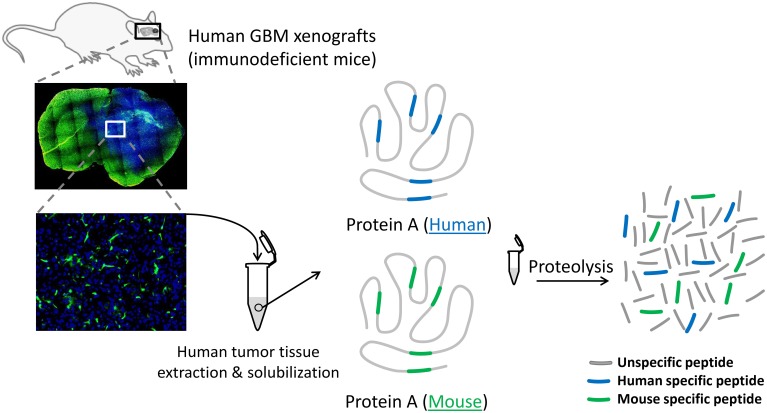
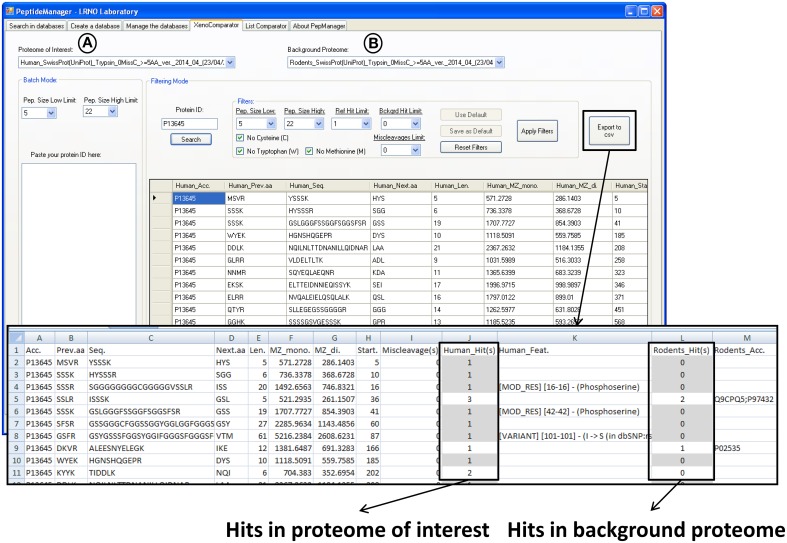
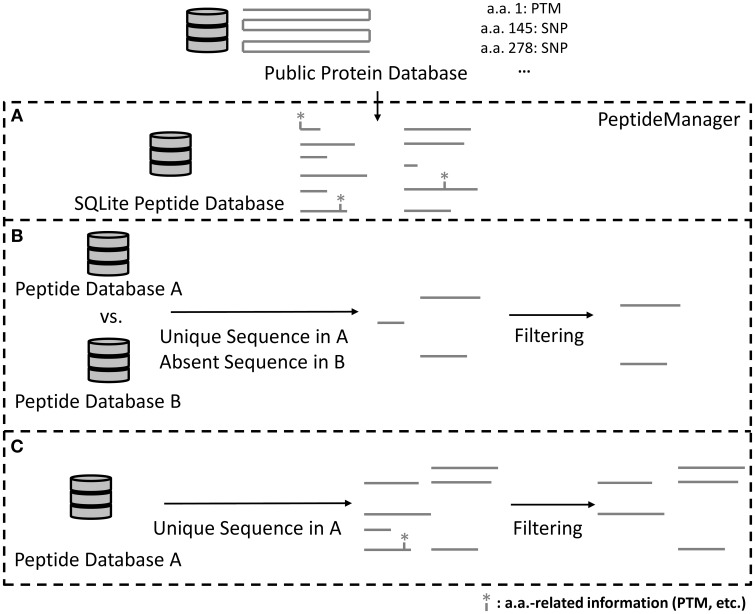
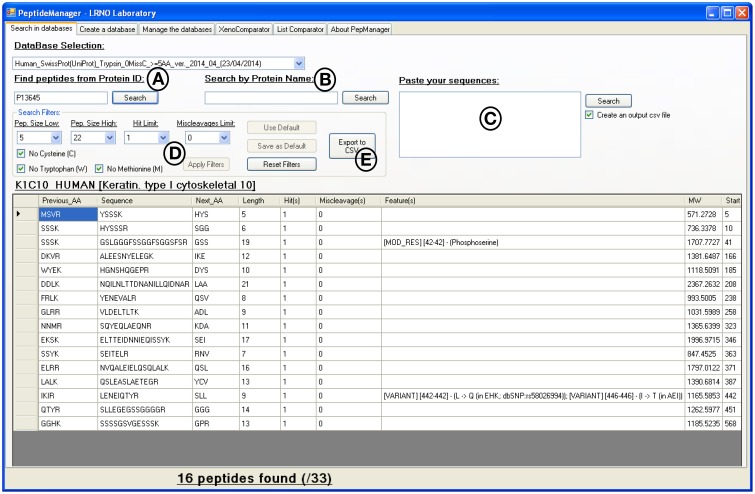
The search for clinically useful protein biomarkers using advanced mass spectrometry approaches represents a major focus in cancer research. However, the direct analysis of human samples may be challenging due to limited availability, the absence of appropriate control samples, or the large background variability observed in patient material. As an alternative approach, human tumors orthotopically implanted into a different species (xenografts) are clinically relevant models that have proven their utility in pre-clinical research. Patient derived xenografts for glioblastoma have been extensively characterized in our laboratory and have been shown to retain the characteristics of the parental tumor at the phenotypic and genetic level. Such models were also found to adequately mimic the behavior and treatment response of human tumors. The reproducibility of such xenograft models, the possibility to identify their host background and perform tumor-host interaction studies, are major advantages over the direct analysis of human samples. At the proteome level, the analysis of xenograft samples is challenged by the presence of proteins from two different species which, depending on tumor size, type or location, often appear at variable ratios. Any proteomics approach aimed at quantifying proteins within such samples must consider the identification of species specific peptides in order to avoid biases introduced by the host proteome. Here, we present an in-house methodology and tool developed to select peptides used as surrogates for protein candidates from a defined proteome (e.g., human) in a host proteome background (e.g., mouse, rat) suited for a mass spectrometry analysis. The tools presented here are applicable to any species specific proteome, provided a protein database is available. By linking the information from both proteomes, PeptideManager significantly facilitates and expedites the selection of peptides used as surrogates to analyze proteins of interest.
使用先进的质谱方法寻找有临床应用价值的蛋白质生物标志物是癌症研究的一个主要焦点。然而,由于人类样本的可用性有限、缺乏适当的对照样本,或在患者材料中观察到的较大背景变异性,直接分析人类样本可能具有挑战性。作为一种替代方法,将人类肿瘤原位植入到不同物种(异种移植)中是一种具有临床相关性的模型,已在临床前研究中证明了其效用。我们实验室对胶质母细胞瘤来源的异种移植瘤进行了广泛的特征描述,结果表明这些异种移植瘤在表型和遗传水平上保留了亲本肿瘤的特征。这些模型还被发现能够充分模拟人类肿瘤的行为和治疗反应。与直接分析人类样本相比,此类异种移植模型的可重复性、识别其宿主背景并进行肿瘤-宿主相互作用研究的可能性是其主要优势。在蛋白质组水平上,异种移植样本的分析受到来自两种不同物种的蛋白质的存在的挑战,这些蛋白质的存在取决于肿瘤的大小、类型或位置,通常以不同的比例出现。任何旨在定量分析此类样本中蛋白质的蛋白质组学方法都必须考虑鉴定物种特异性肽,以避免宿主蛋白质组带来的偏差。在这里,我们提出了一种内部方法和工具,用于选择可用于从宿主蛋白质组背景(例如,鼠、大鼠)中定义的蛋白质组(例如,人)中鉴定蛋白质候选物的肽作为蛋白质候选物的替代物,适用于质谱分析。这里提出的工具适用于任何物种特异性蛋白质组,只要有可用的蛋白质数据库。通过将两个蛋白质组的信息联系起来,PeptideManager 极大地简化和加速了作为替代物用于分析感兴趣的蛋白质的肽的选择。