Bar-Johnson Michael, Weiss Petr
First Medical Faculty, Charles University, Prague, Czech Republic.
Med Sci Monit. 2014 Sep 20;20:1682-6. doi: 10.12659/MSM.891092.
Previous qualitative research has examined male sex workers in the Czech Republic, but this mapping study is the first to investigate male sex work in a quantitative research design and focus on the mental health of these sex workers. This study also examines male sex workers' mental health problems in relation to their sexual identity or orientation.
A sample of Czech male sex workers (N=40) were examined on a range of sexual and psychological variables using a quantitative survey administered face-to-face. The study employed locally validated versions of Beck's Depression Inventory and Zung's Self-Report Anxiety Scale.
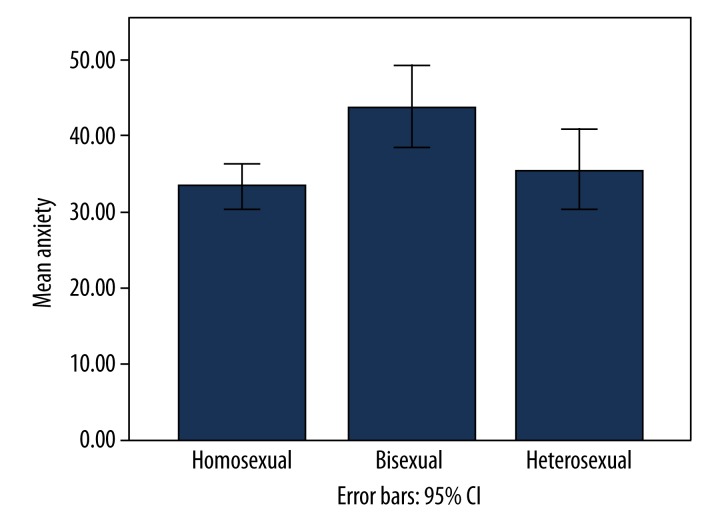
The results indicate that for homosexuals, working as a male sex worker is not related to any serious mental health problems. However, those identifying as heterosexual and bisexual more frequently reported symptoms of depression and bisexuals showed significantly more anxiety.
These findings suggest sexual identity is an important issue to consider when addressing the mental health needs of this population.
此前已有定性研究对捷克共和国的男性性工作者进行过调查,但这项映射研究是首次采用定量研究设计来调查男性性工作,并关注这些性工作者的心理健康。本研究还考察了男性性工作者心理健康问题与其性身份或性取向的关系。
通过面对面进行的定量调查,对一组捷克男性性工作者(N = 40)的一系列性和心理变量进行了检测。该研究采用了经本地验证的贝克抑郁量表和zung氏自评焦虑量表。
结果表明,对于同性恋者而言,从事男性性工作与任何严重的心理健康问题均无关联。然而,那些认定自己为异性恋和双性恋的人更频繁地报告有抑郁症状,且双性恋者表现出明显更多的焦虑。
这些发现表明,在满足这一群体的心理健康需求时,性身份是一个需要考虑的重要问题。