Imada Toshihiro, Nakamura Shigeru, Kitamura Naoki, Shibuya Izumi, Tsubota Kazuo
Department of Ophthalmology, Keio University School of Medicine, Tokyo, Japan.
Department of Veterinary Physiology, Faculty of Agriculture, Tottori University, Tottori, Japan.
PLoS One. 2014 Sep 22;9(9):e106338. doi: 10.1371/journal.pone.0106338. eCollection 2014.
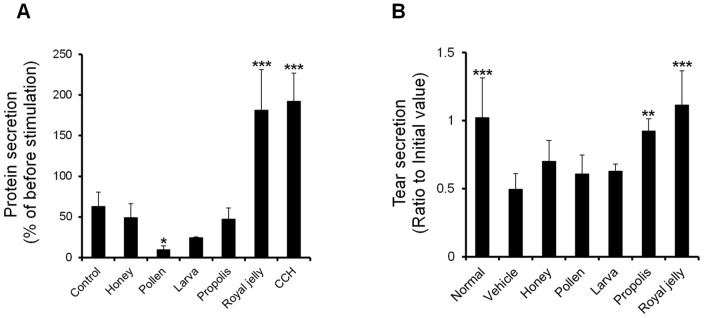
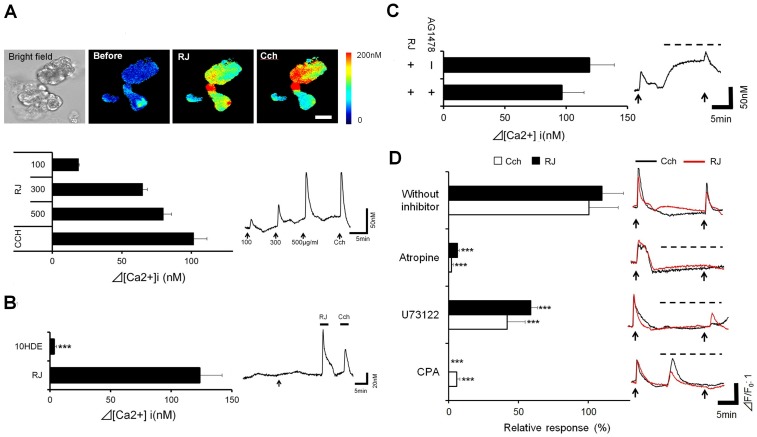
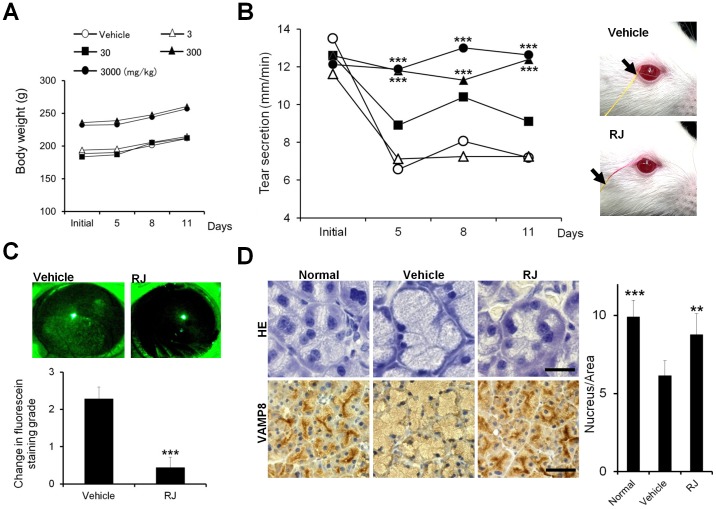
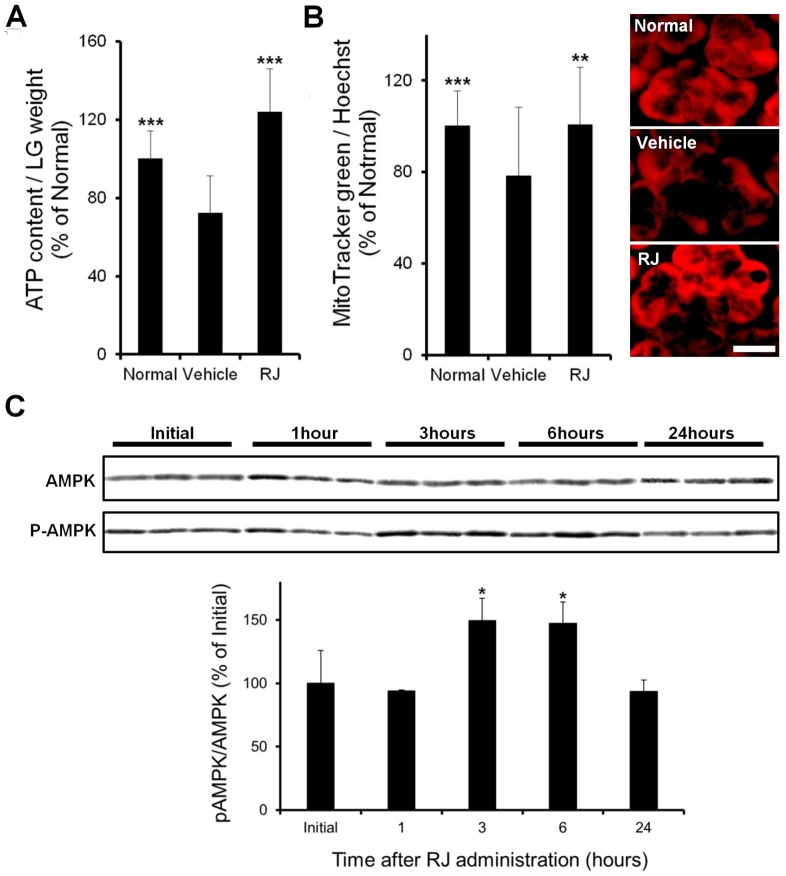
Tears are secreted from the lacrimal gland (LG), a dysfunction in which induces dry eye, resulting in ocular discomfort and visual impairment. Honey bee products are used as a nutritional source in daily life and medicine; however, little is known about their effects on dry eye. The aim of the present study was to investigate the effects of honey bee products on tear secretion capacity in dry eye. We selected raw honey, propolis, royal jelly (RJ), pollen, or larva from commercially available honey bee products. Tear secretion capacity was evaluated following the oral administration of each honey bee product in a rat blink-suppressed dry eye model. Changes in tear secretion, LG ATP content, and LG mitochondrial levels were measured. RJ restored the tear secretion capacity and decrease in LG ATP content and mitochondrial levels to the largest extent. Royal jelly can be used as a preventative intervention for dry eye by managing tear secretion capacity in the LG.
眼泪由泪腺分泌,泪腺功能障碍会引发干眼症,导致眼部不适和视力受损。蜂产品在日常生活和医学中用作营养来源;然而,它们对干眼症的影响却鲜为人知。本研究的目的是调查蜂产品对干眼症泪液分泌能力的影响。我们从市售蜂产品中选取了生蜂蜜、蜂胶、蜂王浆(RJ)、花粉或蜂幼虫。在大鼠眨眼抑制型干眼症模型中口服每种蜂产品后,评估泪液分泌能力。测量泪液分泌、泪腺ATP含量和泪腺线粒体水平的变化。蜂王浆在最大程度上恢复了泪液分泌能力,并减少了泪腺ATP含量和线粒体水平的下降。蜂王浆可通过调节泪腺的泪液分泌能力,用作干眼症的预防性干预措施。