He Aibin, Gu Fei, Hu Yong, Ma Qing, Ye Lillian Yi, Akiyama Jennifer A, Visel Axel, Pennacchio Len A, Pu William T
1] Department of Cardiology, Boston Children's Hospital, 300 Longwood Avenue, Boston, Massachusetts 02115, USA [2] Institute of Molecular Medicine, Peking-Tsinghua Center for Life Sciences, Peking University, Beijing 100871, People's Republic of China.
Department of Cardiology, Boston Children's Hospital, 300 Longwood Avenue, Boston, Massachusetts 02115, USA.
Nat Commun. 2014 Sep 24;5:4907. doi: 10.1038/ncomms5907.
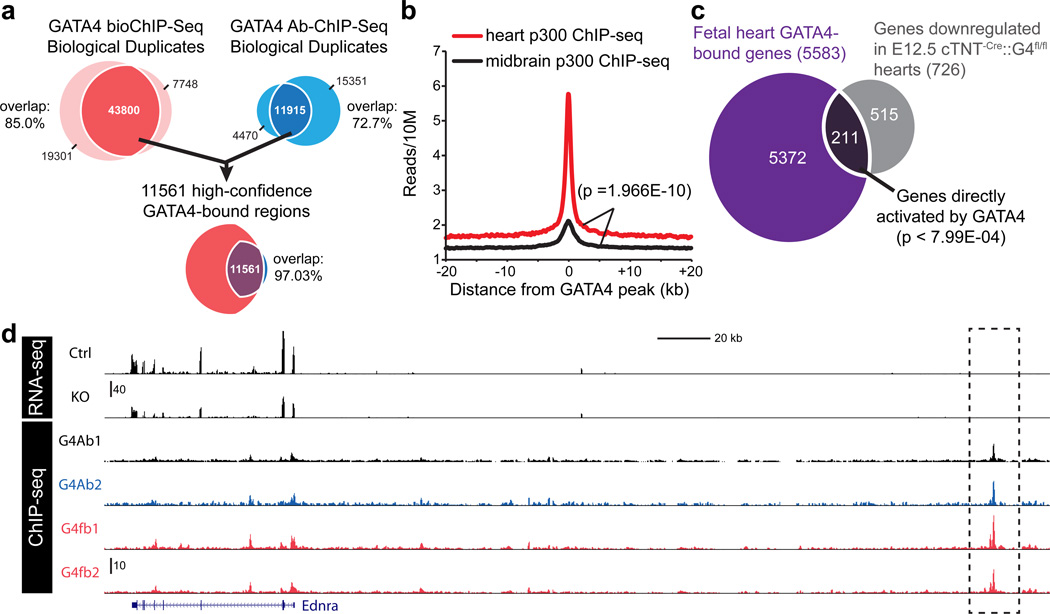
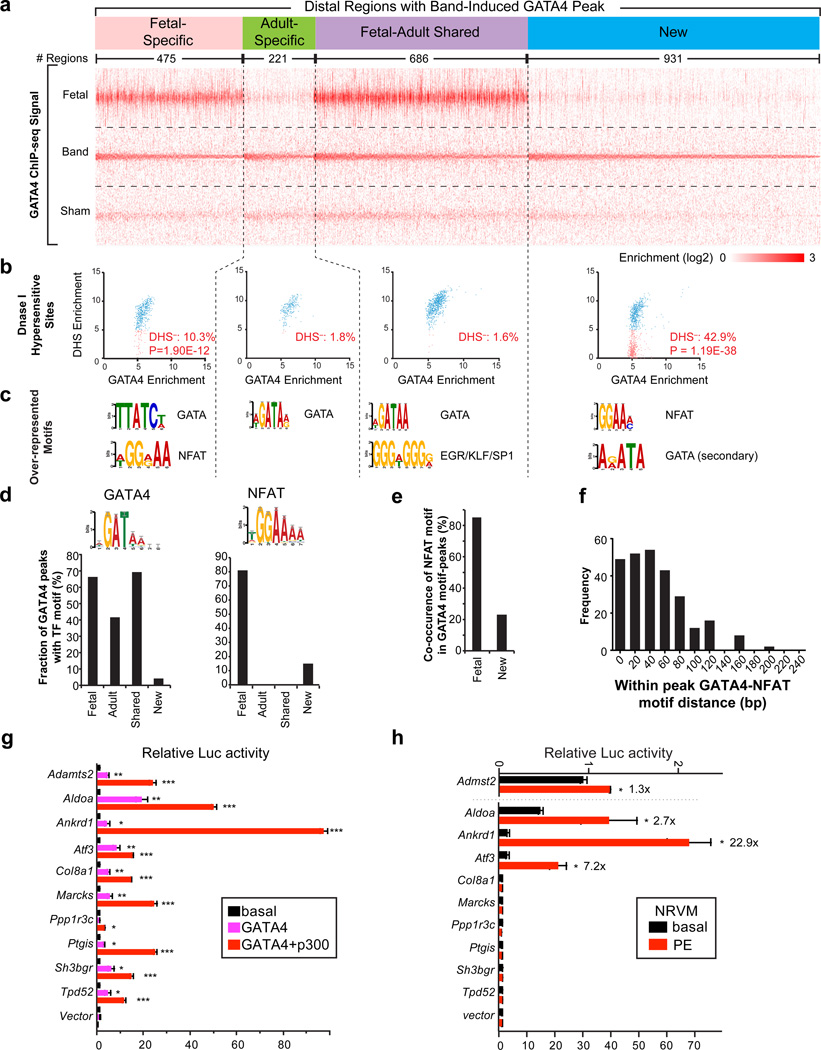
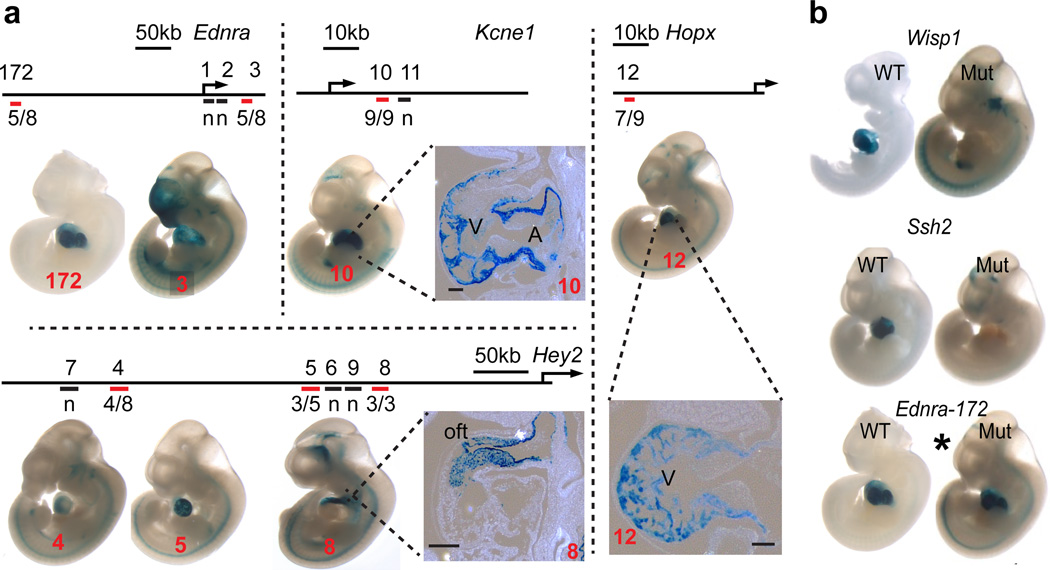
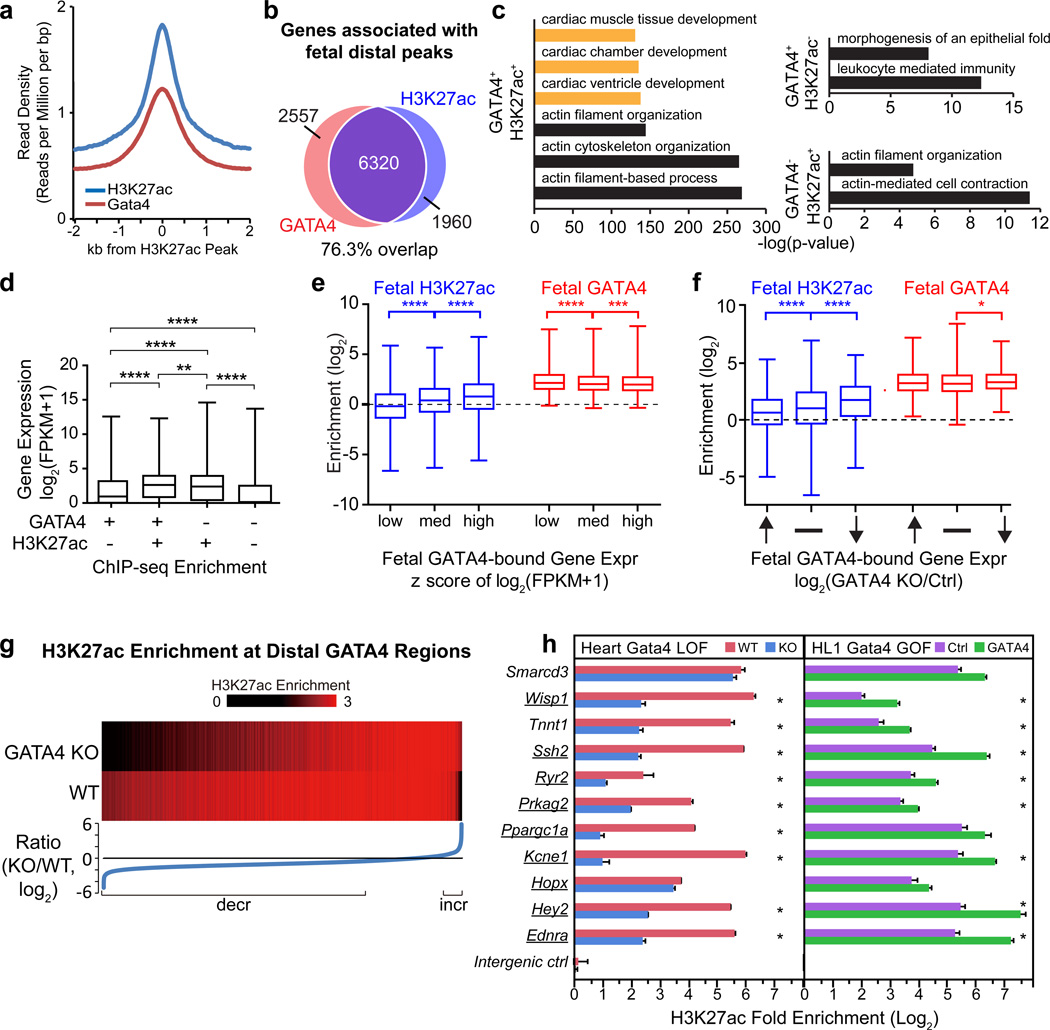
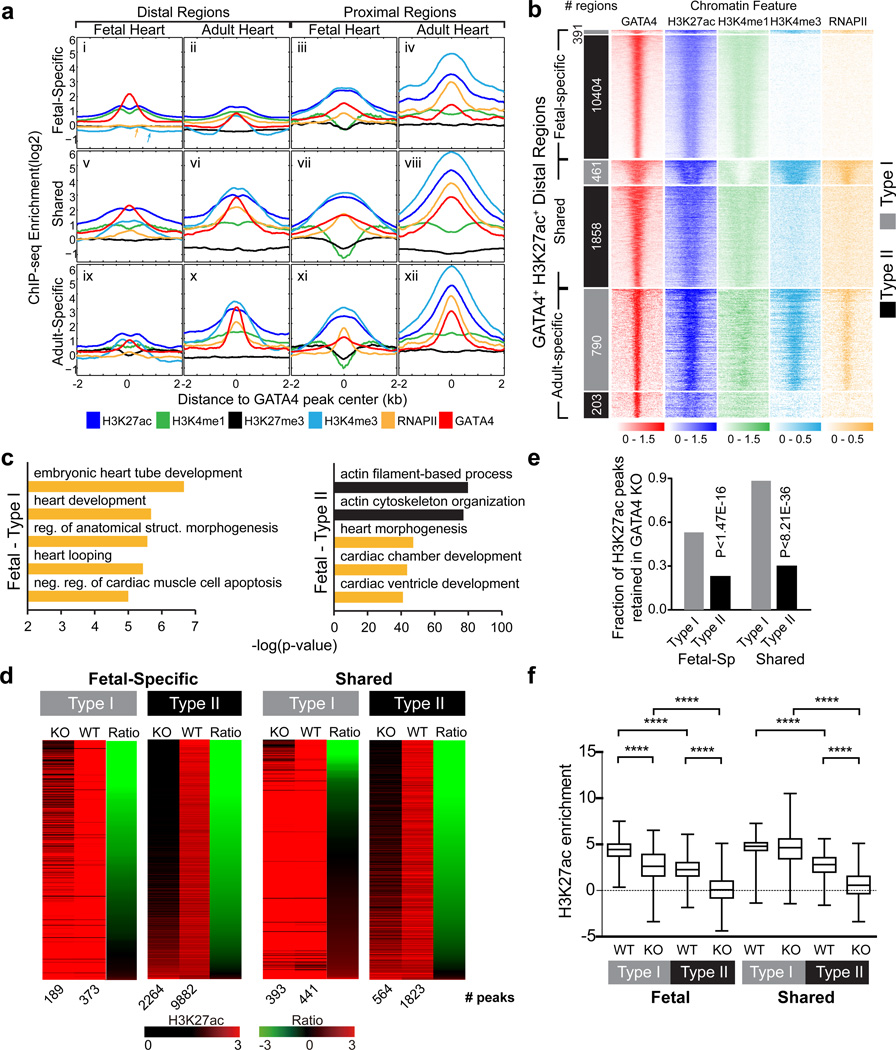
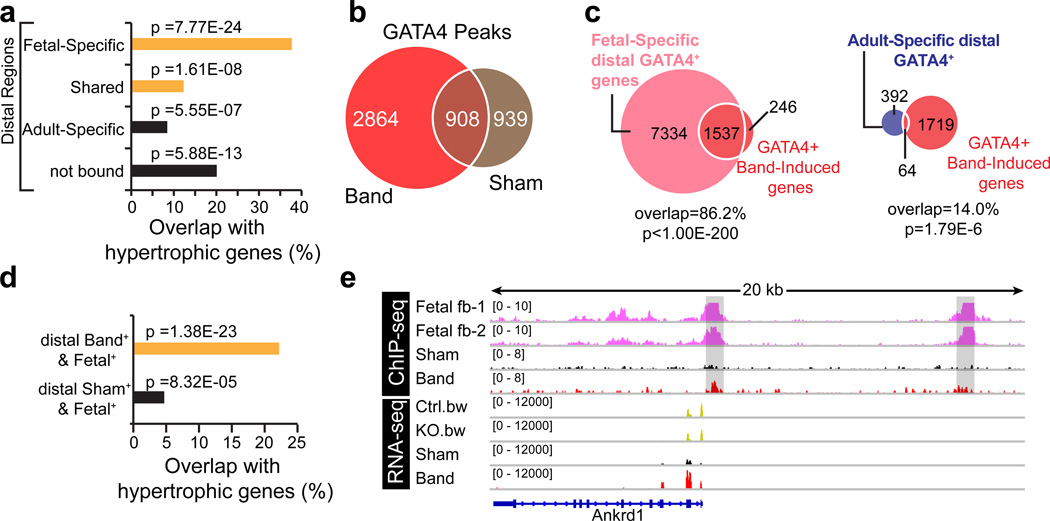
How stage-specific enhancer dynamics modulate gene expression patterns essential for organ development, homeostasis and disease is not well understood. Here, we addressed this question by mapping chromatin occupancy of GATA4--a master cardiac transcription factor--in heart development and disease. We find that GATA4 binds and participates in establishing active chromatin regions by stimulating H3K27ac deposition, which facilitates GATA4-driven gene expression. GATA4 chromatin occupancy changes markedly between fetal and adult heart, with a limited binding sites overlap. Cardiac stress restored GATA4 occupancy to a subset of fetal sites, but many stress-associated GATA4 binding sites localized to loci not occupied by GATA4 during normal heart development. Collectively, our data show that dynamic, context-specific transcription factors occupancy underlies stage-specific events in development, homeostasis and disease.
阶段特异性增强子动力学如何调节对器官发育、内稳态和疾病至关重要的基因表达模式,目前尚不清楚。在这里,我们通过绘制心脏发育和疾病中主要心脏转录因子GATA4的染色质占据情况来解决这个问题。我们发现,GATA4通过刺激H3K27ac沉积来结合并参与建立活性染色质区域,这有助于GATA4驱动的基因表达。GATA4染色质占据情况在胎儿心脏和成年心脏之间有明显变化,结合位点重叠有限。心脏应激使GATA4占据情况恢复到胎儿位点的一个子集,但许多与应激相关的GATA4结合位点位于正常心脏发育过程中GATA4未占据的基因座上。总体而言,我们的数据表明,动态的、上下文特异性的转录因子占据情况是发育、内稳态和疾病中阶段特异性事件的基础。