Hadjzadeh Mosa-Al-Reza, Ghanbari Habib, Keshavarzi Zakieh, Tavakol-Afshari Jalil
Dept. of Physiology, Mashhad University of Medical Sciences, Mashhad, Iran.
Dept. of Physiology, North Khorasan University of Medical Sciences, Bojnurd, Iran.
Iran J Cancer Prev. 2014 Summer;7(3):142-6.
Although the incidence of gastric cancer is declining during the last half century, this cancer still is the second morbid cancer in the world after lung cancer. The incidence of gastric cancer is 26 per 100,000 in Iran. This study evaluated the effect of Alpinia galangal on AGS cells (human gastric adenocarcinoma epithelial cell line) and L929 cells (as a standard cell line originated from mouse fibroblast cells).
After culturing the cells in Roswell Park Memorial Institute (RPMI) medium, the cells were incubated with different doses of Alpinia galangal (0 (control), 125, 250, 500, 750 and 1000 µg/ml) in 24, 48 and 72 hour periods and then, cells viability were assessed using MTT based cell proliferation assay.
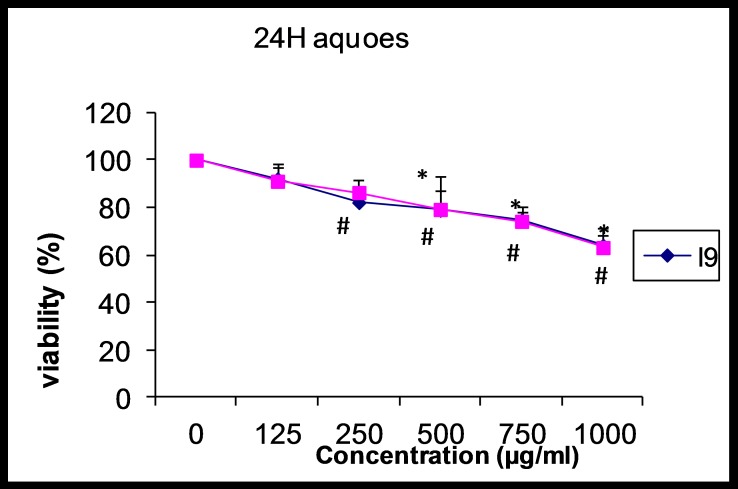
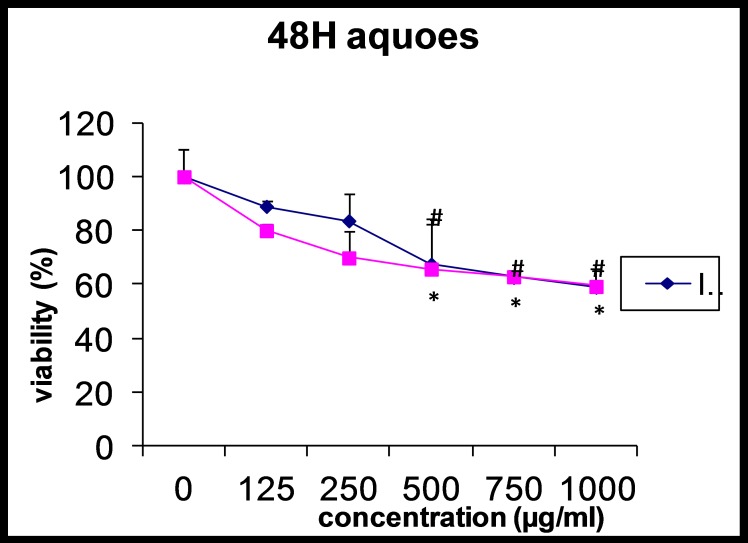
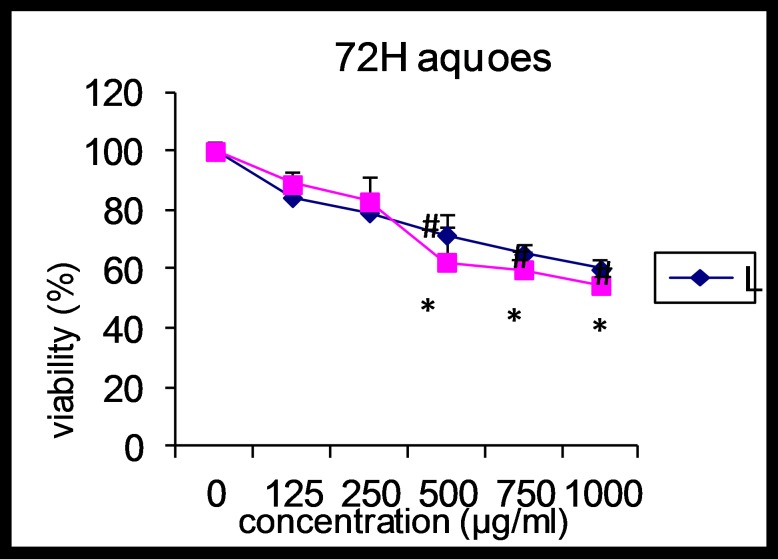
After 24 hours, the percentage of living AGS cells compared to the control group showed no significant decrease at the concentrations of 125 and 250µg/ml. But in the rest concentrations were significant (p<0.05). Only, the percentage of surviving L929 cells at concentration of 125µg/ml of the extract was not significant, but these percentages in the other concentrations were significant. After 48 and 72h incubation, in the last three extract concentrations, the percentage of living AGS and L929 cells significantly decreased compared to control cells (p<0.05).
We have demonstrated, using cell culture model, anti-proliferative effect of aqueous extract of Alpinia galangal on human gastric tumor (AGS) and L929 cell lines. This effect was prominent in high concentrations.
尽管在过去半个世纪中胃癌的发病率呈下降趋势,但这种癌症仍然是继肺癌之后全球第二大致病癌症。伊朗的胃癌发病率为每10万人中有26例。本研究评估了高良姜对AGS细胞(人胃腺癌上皮细胞系)和L929细胞(作为源自小鼠成纤维细胞的标准细胞系)的影响。
在罗斯威尔公园纪念研究所(RPMI)培养基中培养细胞后,将细胞与不同剂量的高良姜(0(对照)、125、250、500、750和1000μg/ml)在24、48和72小时内孵育,然后使用基于MTT的细胞增殖测定法评估细胞活力。
24小时后,与对照组相比,浓度为125和250μg/ml时,存活的AGS细胞百分比没有显著下降。但在其余浓度下有显著差异(p<0.05)。仅提取物浓度为125μg/ml时,存活的L929细胞百分比无显著差异,但在其他浓度下这些百分比有显著差异。孵育48和72小时后,在最后三个提取物浓度下,与对照细胞相比,存活的AGS和L929细胞百分比显著降低(p<0.05)。
我们使用细胞培养模型证明了高良姜水提取物对人胃肿瘤(AGS)和L929细胞系具有抗增殖作用。这种作用在高浓度下尤为显著。