Sandasi Maxleene, Vermaak Iize, Chen Weiyang, Viljoen Alvaro M
Department of Pharmaceutical Sciences, Tshwane University of Technology, Private Bag X680, Pretoria 0001, South Africa.
Molecules. 2014 Aug 26;19(9):13104-21. doi: 10.3390/molecules190913104.
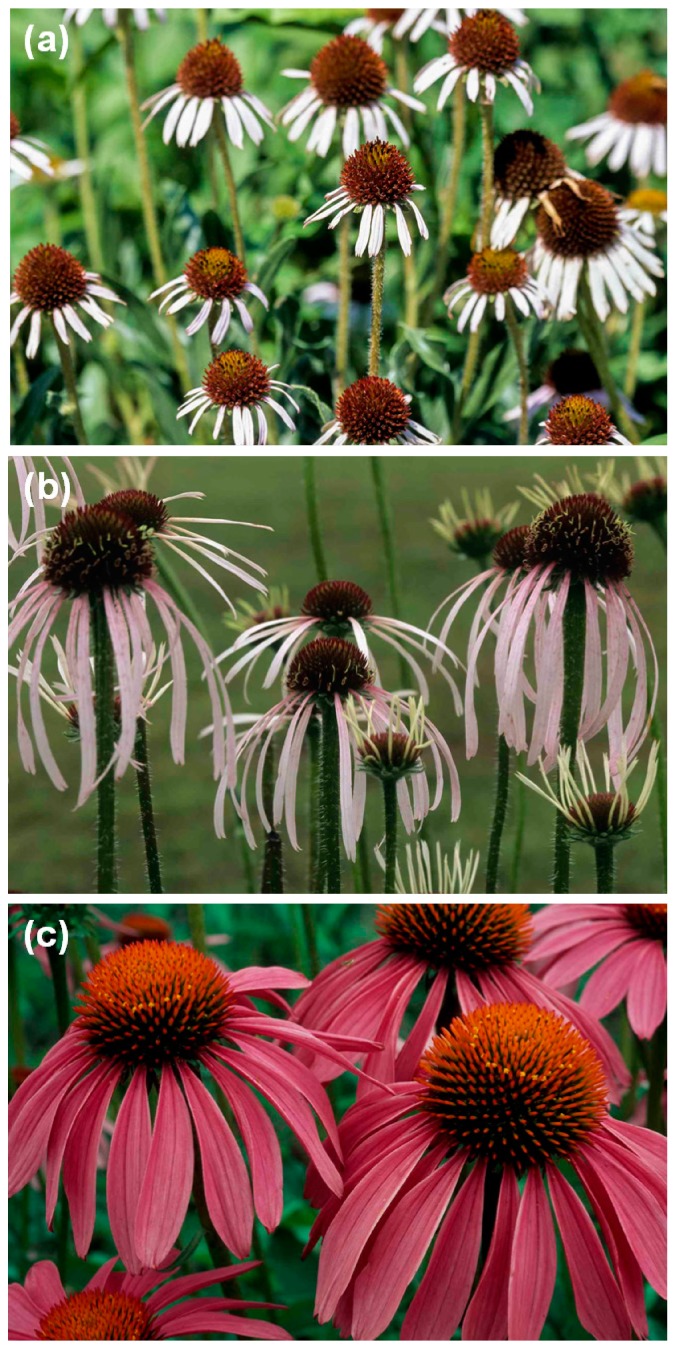
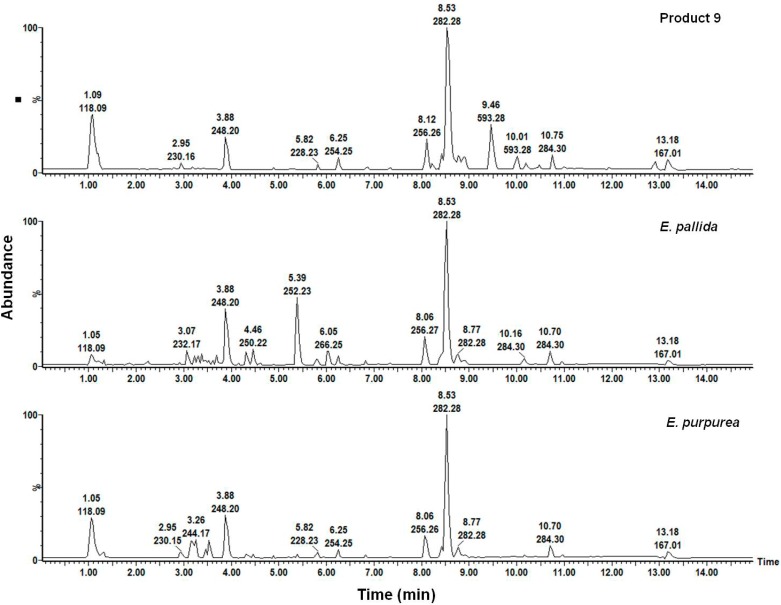
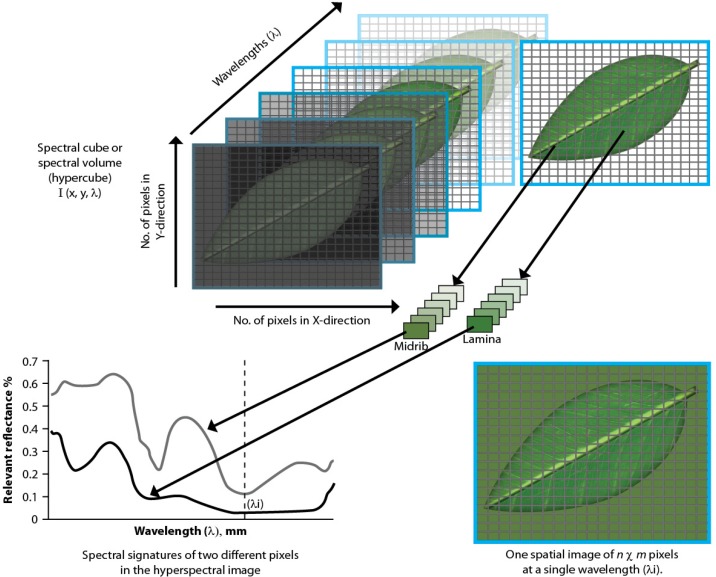
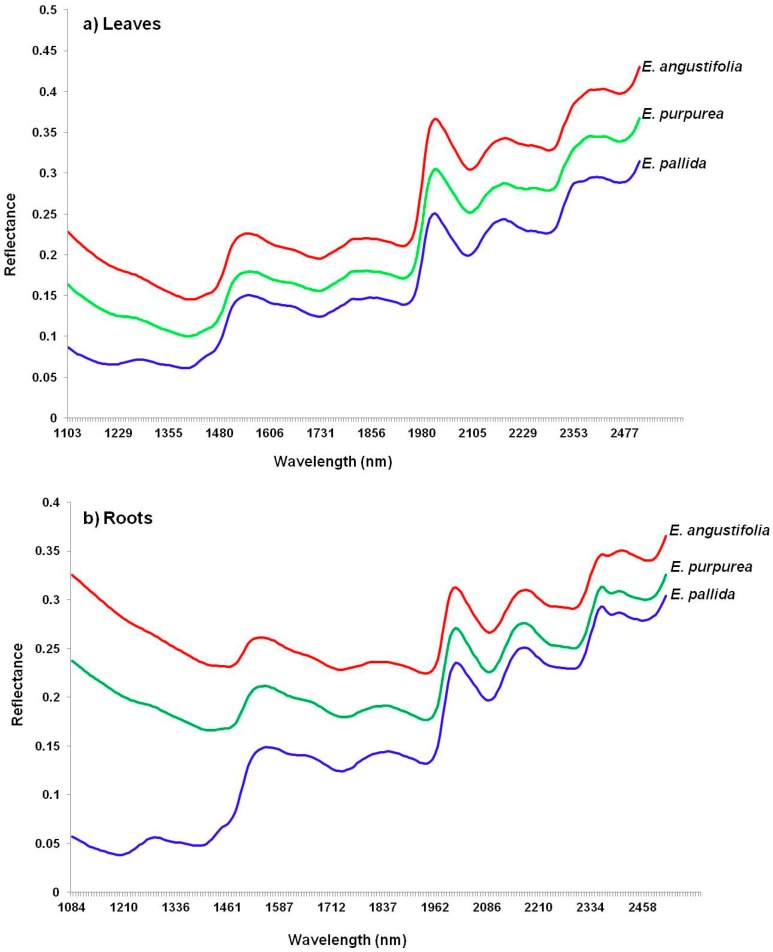
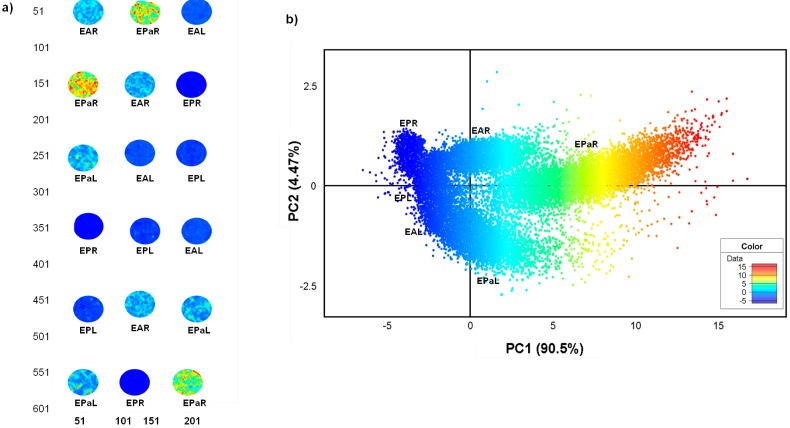
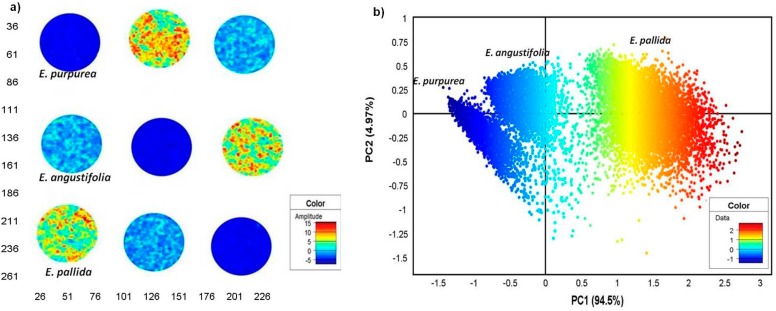
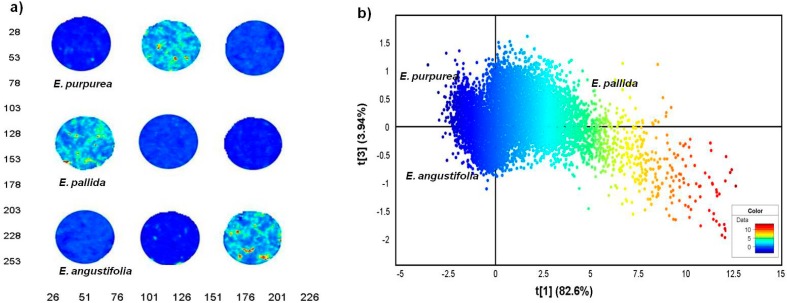
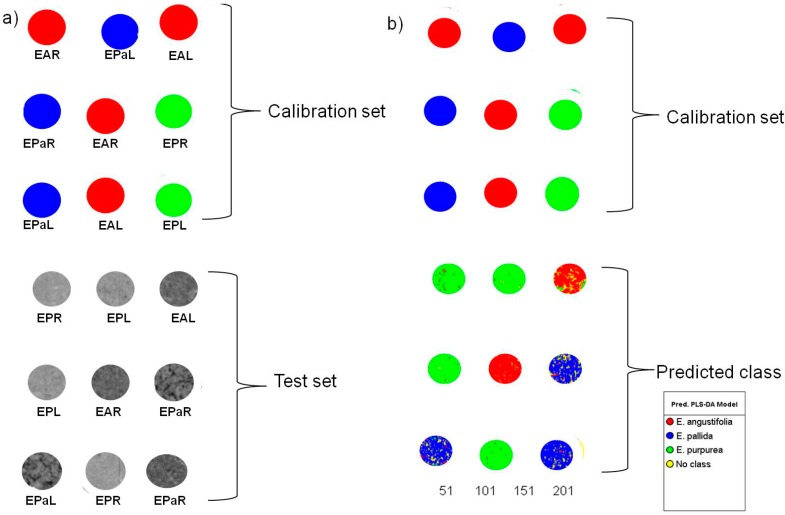
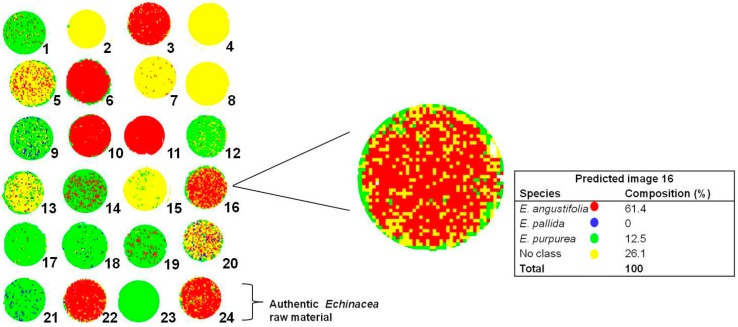
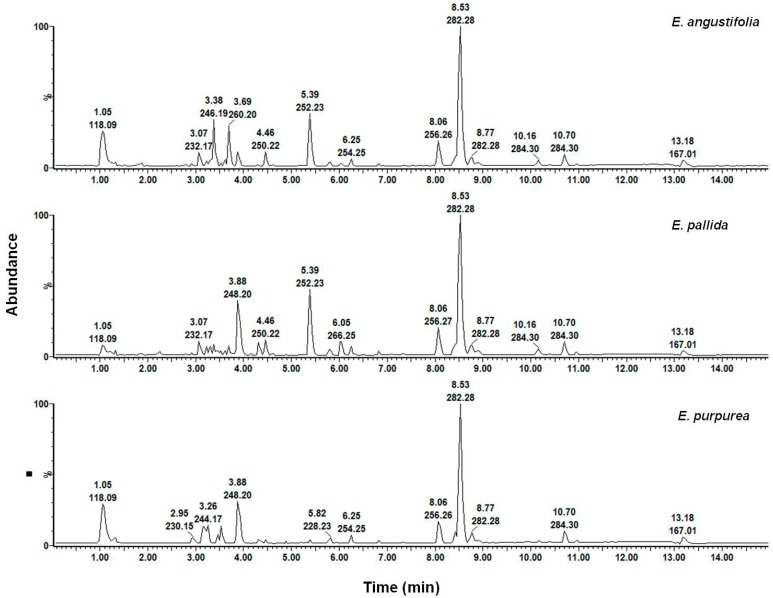
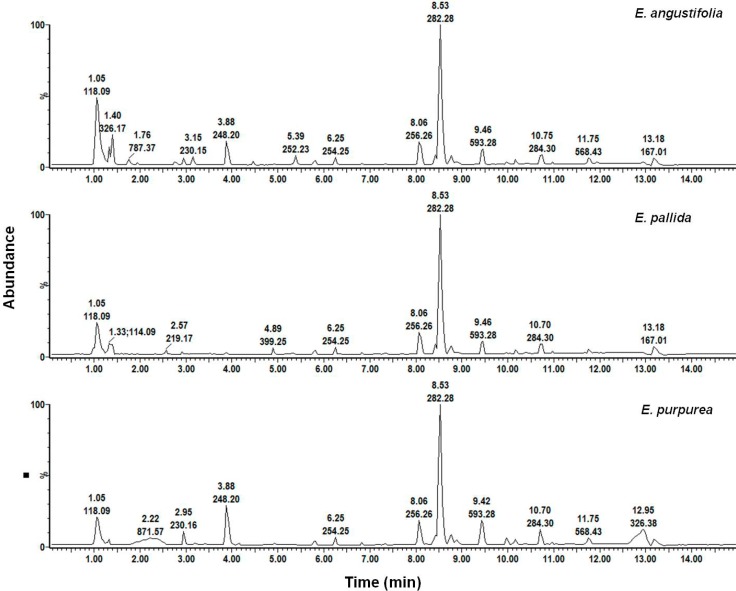
Echinacea species are popularly included in various formulations to treat upper respiratory tract infections. These products are of commercial importance, with a collective sales figure of $132 million in 2009. Due to their close taxonomic alliance it is difficult to distinguish between the three Echinacea species and incidences of incorrectly labeled commercial products have been reported. The potential of hyperspectral imaging as a rapid quality control method for raw material and products containing Echinacea species was investigated. Hyperspectral images of root and leaf material of authentic Echinacea species (E. angustifolia, E. pallida and E. purpurea) were acquired using a sisuChema shortwave infrared (SWIR) hyperspectral pushbroom imaging system with a spectral range of 920-2514 nm. Principal component analysis (PCA) plots showed a clear distinction between the root and leaf samples of the three Echinacea species and further differentiated the roots of different species. A classification model with a high coefficient of determination was constructed to predict the identity of the species included in commercial products. The majority of products (12 out of 20) were convincingly predicted as containing E. purpurea, E. angustifolia or both. The use of ultra performance liquid chromatography-mass spectrometry (UPLC-MS) in the differentiation of the species presented a challenge due to chemical similarities between the solvent extracts. The results show that hyperspectral imaging is an objective and non-destructive quality control method for authenticating raw material.
紫锥菊属植物被广泛用于各种治疗上呼吸道感染的制剂中。这些产品具有商业重要性,2009年的总销售额为1.32亿美元。由于它们在分类学上关系密切,很难区分这三种紫锥菊属植物,并且已有报道称存在商业产品标签错误的情况。研究了高光谱成像作为一种用于含有紫锥菊属植物的原材料和产品的快速质量控制方法的潜力。使用光谱范围为920 - 2514 nm的sisuChema短波红外(SWIR)高光谱推扫成像系统获取了正宗紫锥菊属植物(狭叶紫锥菊、淡紫松果菊和紫松果菊)根和叶材料的高光谱图像。主成分分析(PCA)图显示三种紫锥菊属植物的根和叶样本之间有明显区别,并进一步区分了不同物种的根。构建了一个具有高决定系数的分类模型来预测商业产品中所含物种的身份。大多数产品(20个中的12个)被令人信服地预测为含有紫松果菊、狭叶紫锥菊或两者都有。由于溶剂提取物之间的化学相似性,使用超高效液相色谱 - 质谱联用(UPLC - MS)来区分物种面临挑战。结果表明,高光谱成像是一种用于鉴定原材料的客观且无损的质量控制方法。