Moses Tessa, Papadopoulou Kalliope K, Osbourn Anne
Department of Metabolic Biology, John Innes Centre , Colney Lane, Norwich , UK and.
Crit Rev Biochem Mol Biol. 2014 Nov-Dec;49(6):439-62. doi: 10.3109/10409238.2014.953628. Epub 2014 Oct 6.
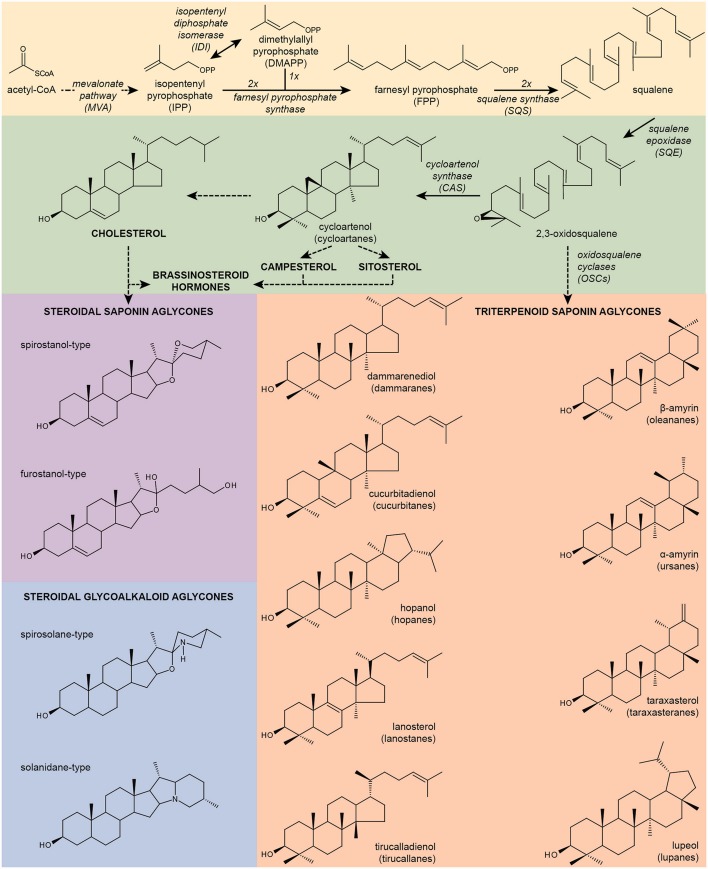
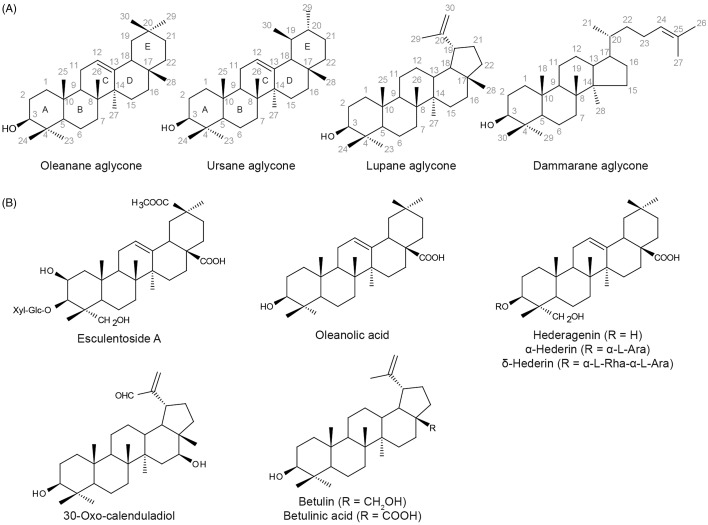
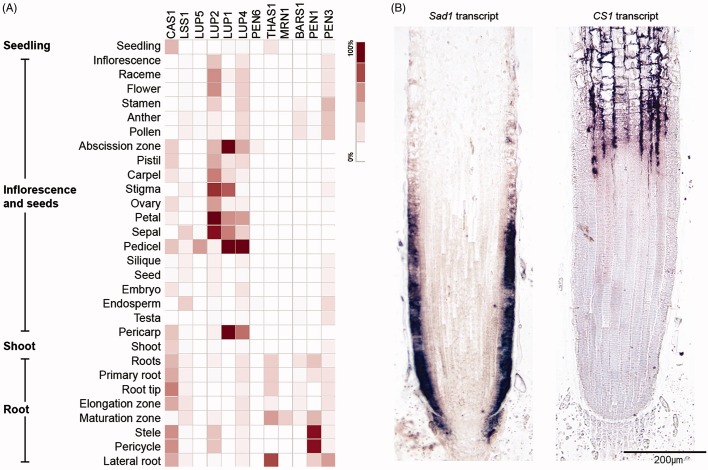
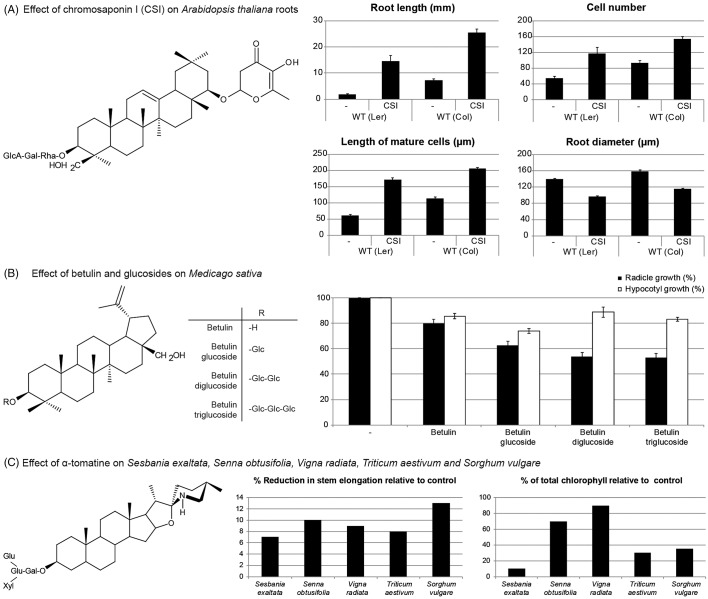
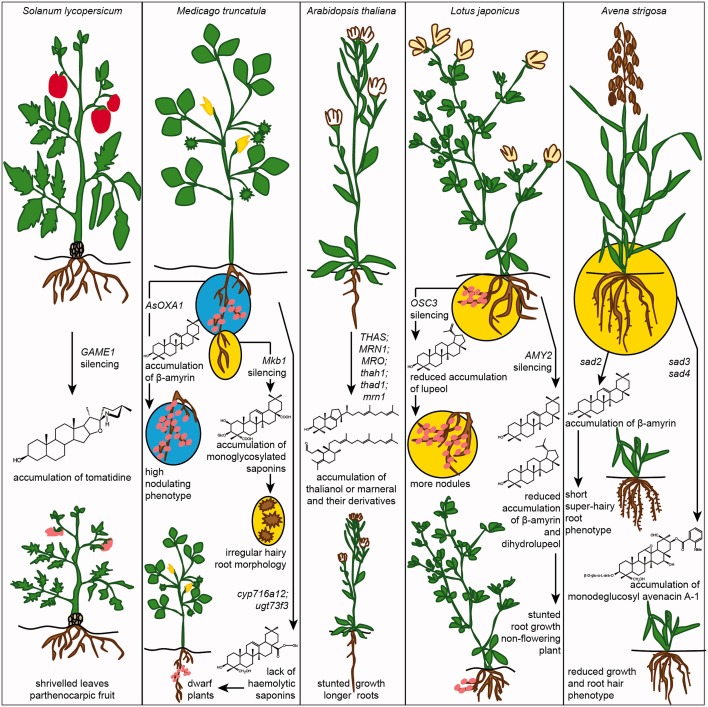
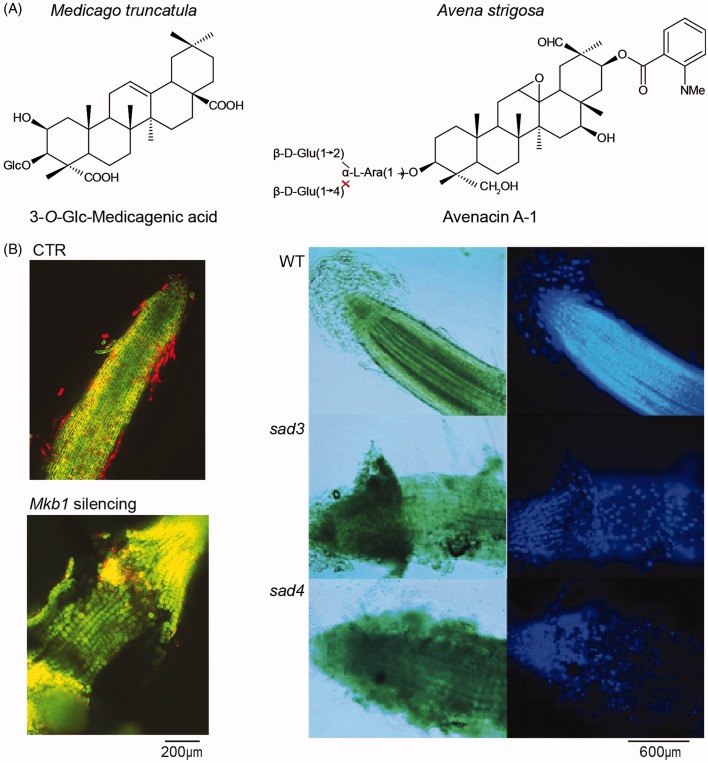
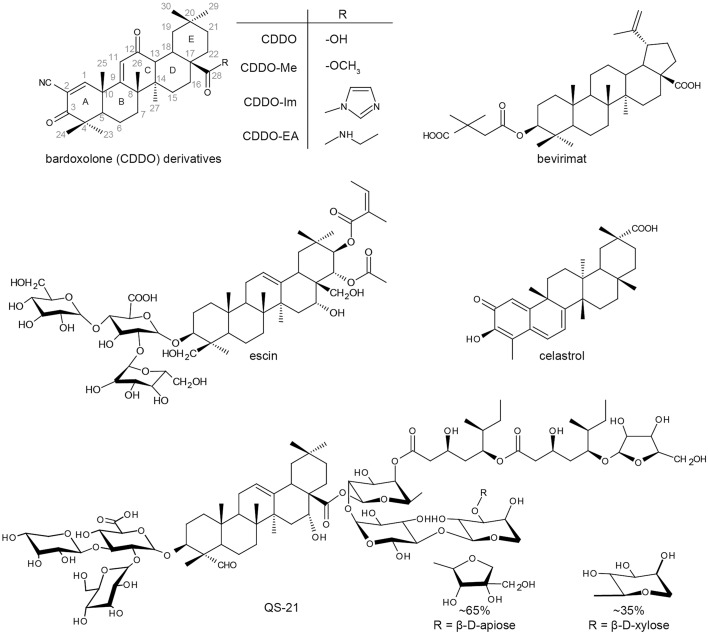
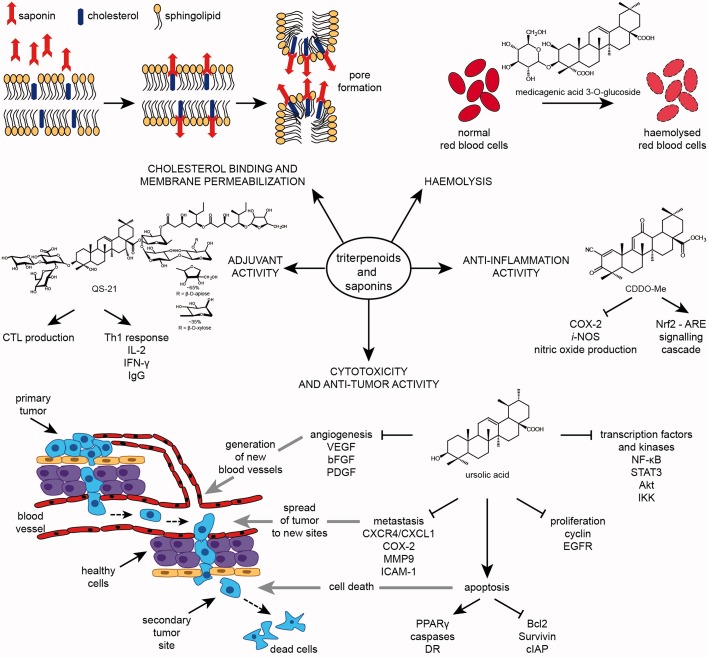
Saponins are widely distributed plant natural products with vast structural and functional diversity. They are typically composed of a hydrophobic aglycone, which is extensively decorated with functional groups prior to the addition of hydrophilic sugar moieties, to result in surface-active amphipathic compounds. The saponins are broadly classified as triterpenoids, steroids or steroidal glycoalkaloids, based on the aglycone structure from which they are derived. The saponins and their biosynthetic intermediates display a variety of biological activities of interest to the pharmaceutical, cosmetic and food sectors. Although their relevance in industrial applications has long been recognized, their role in plants is underexplored. Recent research on modulating native pathway flux in saponin biosynthesis has demonstrated the roles of saponins and their biosynthetic intermediates in plant growth and development. Here, we review the literature on the effects of these molecules on plant physiology, which collectively implicate them in plant primary processes. The industrial uses and potential of saponins are discussed with respect to structure and activity, highlighting the undoubted value of these molecules as therapeutics.
皂苷是广泛分布的植物天然产物,具有巨大的结构和功能多样性。它们通常由一个疏水苷元组成,在添加亲水性糖部分之前,该苷元会被大量官能团修饰,从而形成表面活性两亲性化合物。根据皂苷所衍生的苷元结构,皂苷大致可分为三萜类、甾体类或甾体糖苷生物碱。皂苷及其生物合成中间体表现出制药、化妆品和食品行业感兴趣的多种生物活性。尽管它们在工业应用中的相关性早已得到认可,但它们在植物中的作用仍未得到充分研究。最近关于调节皂苷生物合成中天然途径通量的研究表明了皂苷及其生物合成中间体在植物生长和发育中的作用。在此,我们综述了有关这些分子对植物生理学影响的文献,这些文献共同表明它们参与植物的初级过程。还讨论了皂苷在结构和活性方面的工业用途及潜力,强调了这些分子作为治疗剂的无疑价值。