Sher Hassan, Aldosari Ali, Ali Ahmad, de Boer Hugo J
Center for Plant Sciences and Biodiversity, University of Swat, Saidu Sharif, Pakistan.
J Ethnobiol Ethnomed. 2014 Oct 10;10:71. doi: 10.1186/1746-4269-10-71.
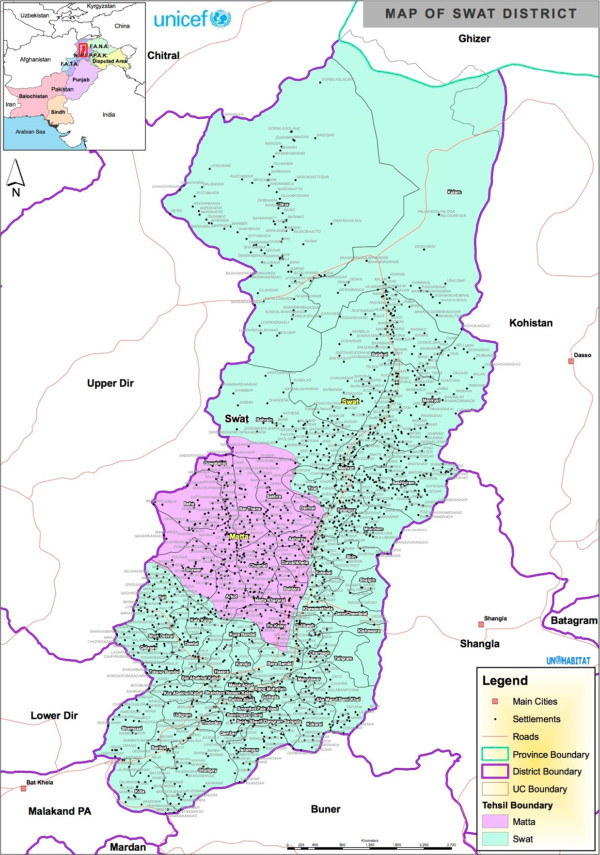
Poverty is pervasive in the Swat Valley, Pakistan. Most of the people survive by farming small landholdings. Many earn additional income by collecting and selling plant material for use in herbal medicine. This material is collected from wild populations but the people involved have little appreciation of the potential value of the plant material they collect and the long term impact their collecting has on local plant populations.
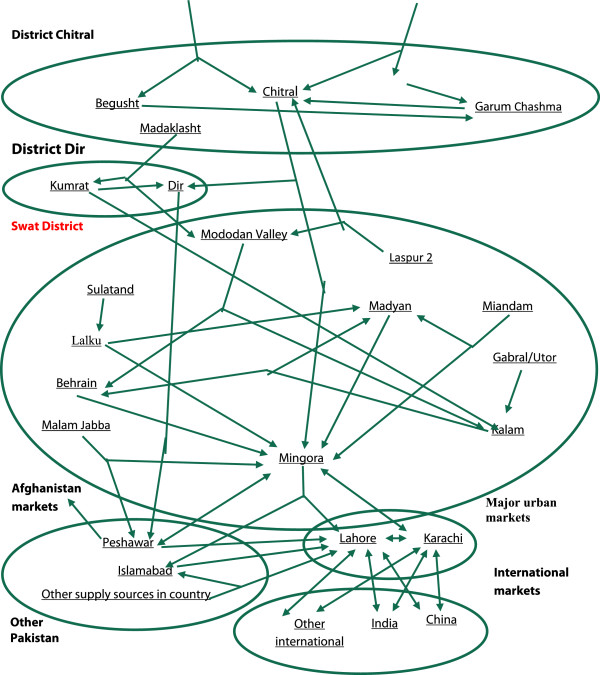
In 2012, existing practices in collecting and trading high value minor crops from Swat District, Pakistan, were analyzed. The focus of the study was on the collection pattern of medicinal plants as an economic activity within Swat District and the likely destinations of these products in national or international markets. Local collectors/farmers and dealers were surveyed about their collection efforts, quantities collected, prices received, and resulting incomes. Herbal markets in major cities of Pakistan were surveyed for current market trends, domestic sources of supply, imports and exports of herbal material, price patterns, and market product-quality requirements.
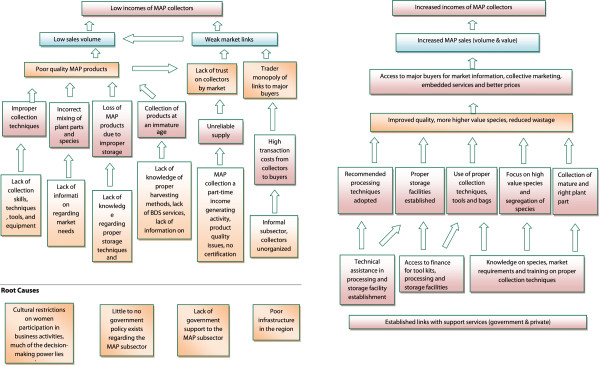
It was observed that wild collection is almost the only source of medicinal plant raw material in the country, with virtually no cultivation. Gathering is mostly done by women and children of nomadic Middle Hill tribes who earn supplementary income through this activity, with the plants then brought into the market by collectors who are usually local farmers. The individuals involved in gathering and collecting are largely untrained regarding the pre-harvest and post-harvest treatment of collected material. Most of the collected material is sold to local middlemen. After that, the trade pattern is complex and heterogeneous, involving many players.
Pakistan exports of high value plants generate over US$10.5 million annually in 2012, with a substantial percentage of the supply coming from Swat District, but its market share has been declining. Reasons for the decline were identified as unreliable and often poor quality of the material supplied, length of the supply chain, and poor marketing strategies. These problems can be addressed by improving the knowledge of those at the start of the supply chain, improving linkages among all steps in the chain, and developing sustainable harvesting practices.
贫困在巴基斯坦的斯瓦特山谷地区普遍存在。大多数人靠耕种小块土地为生。许多人通过采集和出售用于草药的植物材料来赚取额外收入。这些材料采自野生种群,但相关人员对他们所采集的植物材料的潜在价值以及采集行为对当地植物种群的长期影响几乎没有认识。
2012年,对巴基斯坦斯瓦特地区高价值小众作物的采集和交易现有做法进行了分析。该研究的重点是作为斯瓦特地区一项经济活动的药用植物采集模式以及这些产品在国内或国际市场的可能去向。对当地采集者/农民和经销商进行了调查,了解他们的采集工作、采集数量、所获价格以及所得收入。对巴基斯坦主要城市的草药市场进行了调查,了解当前市场趋势、国内供应来源、草药材料的进出口情况、价格模式以及市场产品质量要求。
据观察,野生采集几乎是该国药用植物原材料的唯一来源,几乎没有人工种植。采集工作大多由游牧的中山部落的妇女和儿童完成,他们通过这项活动赚取补充收入,然后这些植物由通常是当地农民的采集者带入市场。参与采集的人员在很大程度上未接受过所采集材料收获前和收获后处理方面的培训。大多数采集到的材料卖给当地中间商。之后,贸易模式复杂且多样,涉及众多参与者。
2012年,巴基斯坦高价值植物的出口每年创收超过1050万美元,其中很大一部分供应来自斯瓦特地区,但其市场份额一直在下降。下降原因被确定为所供应材料不可靠且质量往往较差、供应链长度以及营销策略不佳。通过提高供应链起始端人员的知识水平、改善链条各环节之间的联系以及制定可持续的采集做法,可以解决这些问题。