Vetreno R P, Crews F T
Bowles Center for Alcohol Studies, Department of Pharmacology and Psychiatry, University of North Carolina, Chapel Hill, NC, USA.
Bowles Center for Alcohol Studies, Department of Pharmacology and Psychiatry, University of North Carolina, Chapel Hill, NC, USA.
Handb Clin Neurol. 2014;125:477-97. doi: 10.1016/B978-0-444-62619-6.00027-6.
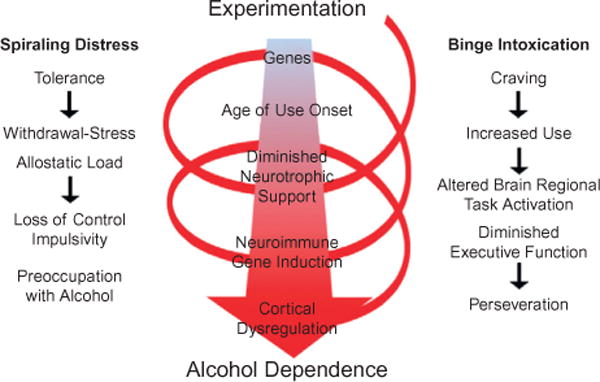
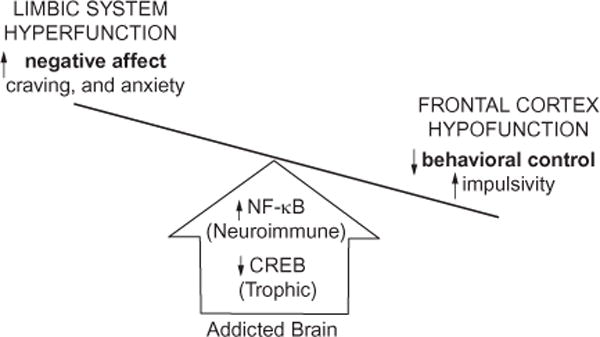
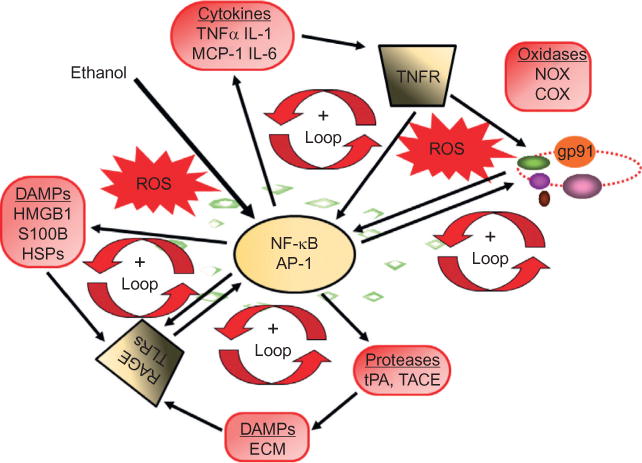
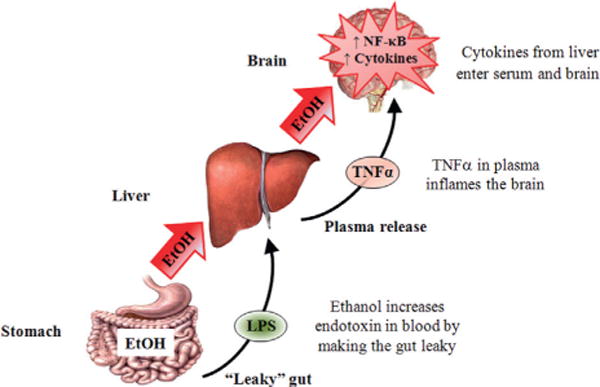
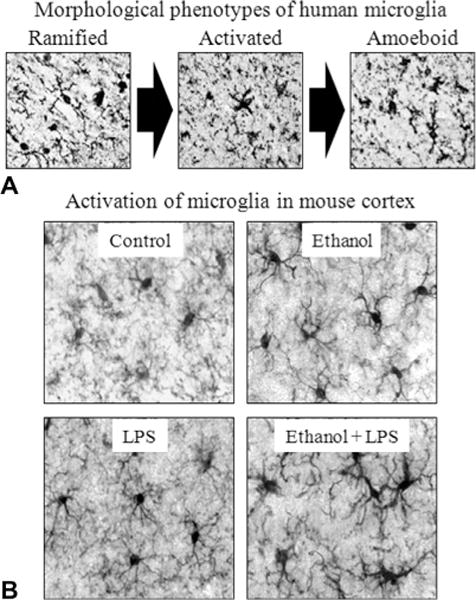
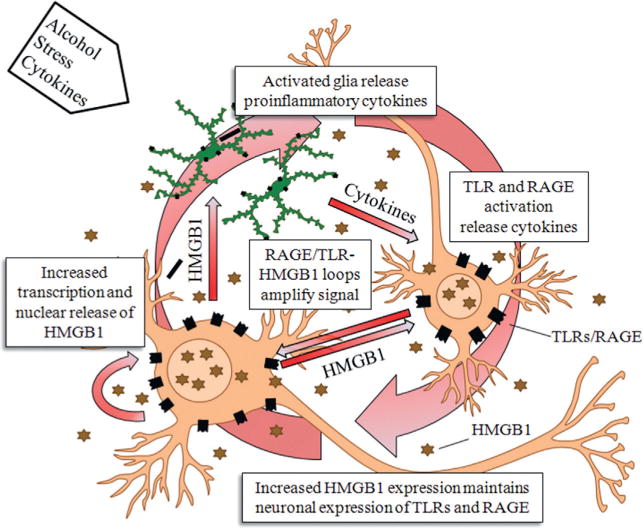
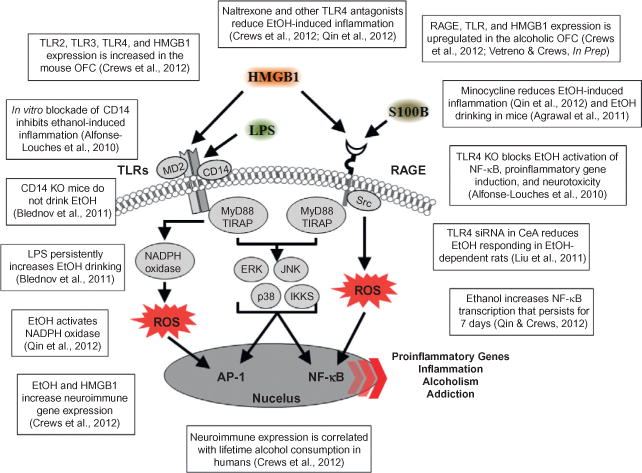
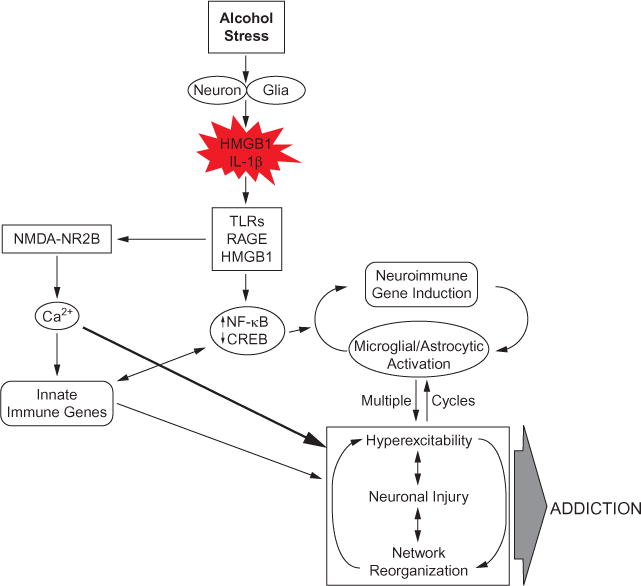
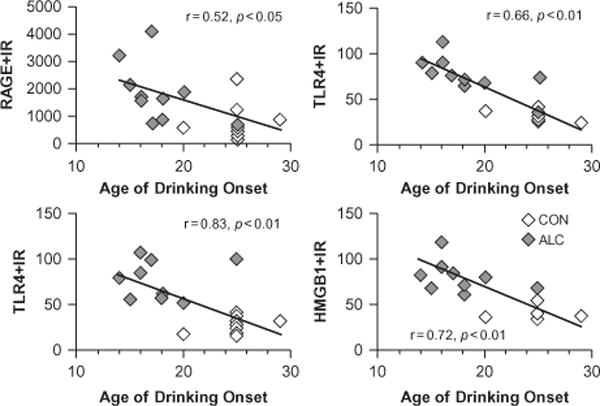
Chronic use of alcohol results in progressive changes to brain and behavior that often lead to the development of alcohol dependence and alcoholism. Although the mechanisms underlying the development of alcoholism remain to be fully elucidated, diminished executive functioning due to hypoactive prefrontal cortex executive control and hyperactive limbic system anxiety and negative emotion might contribute mechanistically to the shift from experimental use to alcoholism and dependence. In the chapter that follows, behavioral deficits associated with cortical dysfunction and neurodegeneration will be related to the behavioral characteristics of alcoholism (e.g., diminished executive function, impulsivity, altered limbic modulation). We will provide evidence that alterations in cyclic AMP-responsive element binding protein (CREB: neurotrophic) and NF-κB (neuroimmune) signaling contribute to the development and persistence of alcoholism. In addition, genetic predispositions and an earlier age of drinking onset will be discussed as contributing factors to the development of alcohol dependence and alcoholism. Overall chronic ethanol-induced neuroimmune gene induction is proposed to alter limbic and frontal neuronal networks contributing to the development and persistence of alcoholism.
长期饮酒会导致大脑和行为的渐进性变化,这些变化常常会导致酒精依赖和酗酒的发展。尽管酗酒发展的潜在机制仍有待充分阐明,但由于前额叶皮层执行控制功能低下和边缘系统过度活跃导致的焦虑和负面情绪,执行功能的减弱可能在机制上促成了从实验性饮酒到酗酒和依赖的转变。在接下来的章节中,与皮层功能障碍和神经退行性变相关的行为缺陷将与酗酒的行为特征(如执行功能减弱、冲动性、边缘调节改变)联系起来。我们将提供证据表明,环磷酸腺苷反应元件结合蛋白(CREB:神经营养)和核因子κB(神经免疫)信号通路的改变促成了酗酒的发展和持续。此外,还将讨论遗传易感性和较早的饮酒起始年龄作为酒精依赖和酗酒发展的促成因素。总体而言,慢性乙醇诱导的神经免疫基因诱导被认为会改变边缘和额叶神经元网络,从而促成酗酒的发展和持续。