Lu Zen H, Archibald Alan L, Ait-Ali Tahar
The Roslin Institute and Royal (Dick) School of Veterinary Studies, University of Edinburgh, Easter Bush, EH25 9RG Midlothian, United Kingdom.
The Roslin Institute and Royal (Dick) School of Veterinary Studies, University of Edinburgh, Easter Bush, EH25 9RG Midlothian, United Kingdom.
Virus Res. 2014 Dec 19;194:167-74. doi: 10.1016/j.virusres.2014.10.004. Epub 2014 Oct 12.
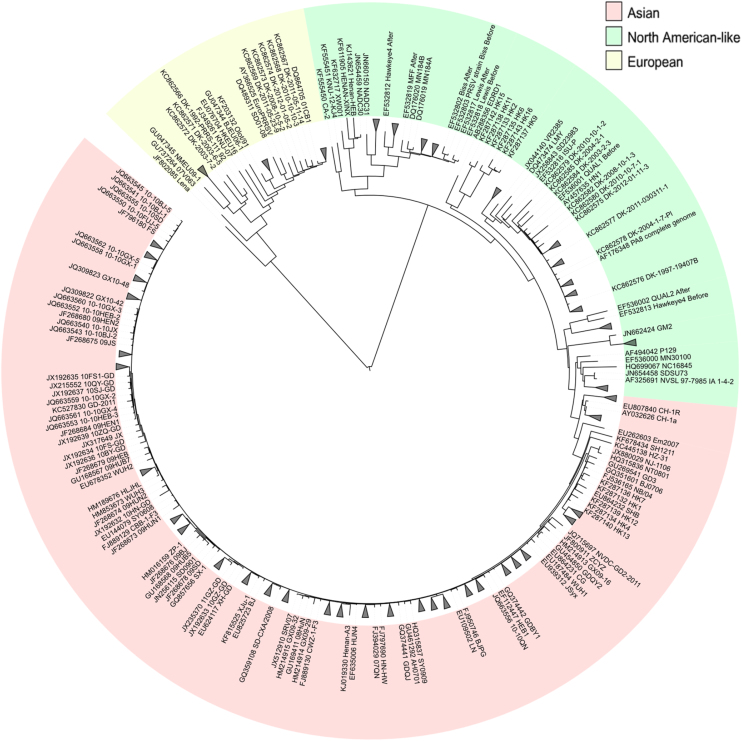
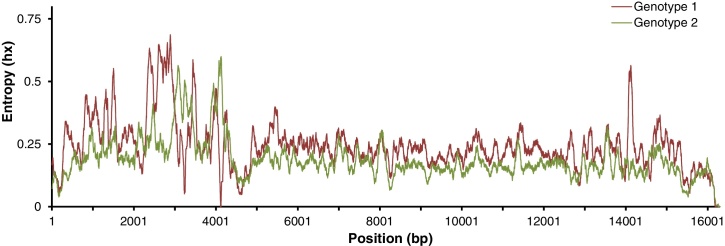
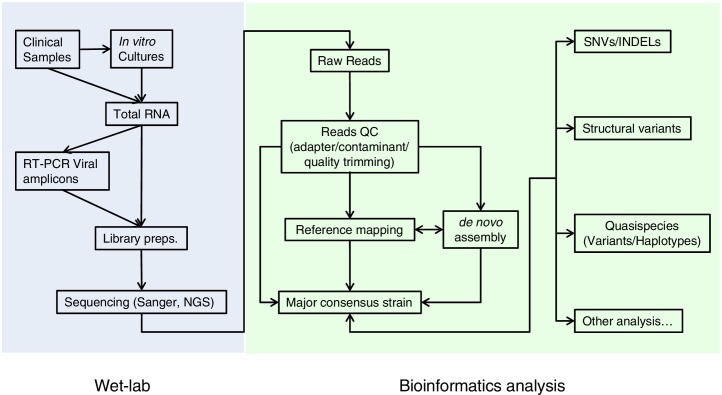
The highly heterogeneous porcine reproductive and respiratory syndrome virus (PRRSV) is the causative agent responsible for an economically important pig disease with the characteristic symptoms of reproductive losses in breeding sows and respiratory illnesses in young piglets. The virus can be broadly divided into the European and North American-like genotype 1 and 2 respectively. In addition to this intra-strains variability, the impact of coexisting viral quasispecies on disease development has recently gained much attention; owing very much to the advent of the next-generation sequencing (NGS) technologies. Genomic data produced from the massive sequencing capacities of NGS have enabled the study of PRRSV at an unprecedented rate and details. Unlike conventional sequencing methods which require knowledge of conserved regions, NGS allows de novo assembly of the full viral genomes. Evolutionary variations gained from different genotypic strains provide valuable insights into functionally important regions of the virus. Together with the advancement of sophisticated bioinformatics tools, ultra-deep NGS technologies make the detection of low frequency co-evolving quasispecies possible. This short review gives an overview, including a proposed workflow, on the use of NGS to explore the genetic diversity of PRRSV at both macro- and micro-evolutionary levels.
高度异质的猪繁殖与呼吸综合征病毒(PRRSV)是一种在经济上具有重要意义的猪病的病原体,其特征症状为繁殖母猪的繁殖损失和仔猪的呼吸道疾病。该病毒可大致分为欧洲型和北美型,分别为基因型1和2。除了这种株内变异性外,共存的病毒准种对疾病发展的影响最近备受关注;这很大程度上归功于下一代测序(NGS)技术的出现。NGS的大规模测序能力产生的基因组数据使人们以前所未有的速度和细节对PRRSV进行研究。与需要保守区域知识的传统测序方法不同,NGS允许对完整病毒基因组进行从头组装。从不同基因型毒株获得的进化变异为了解病毒的功能重要区域提供了有价值的见解。随着先进生物信息学工具的发展,超深度NGS技术使检测低频共同进化准种成为可能。这篇简短的综述概述了利用NGS在宏观和微观进化水平上探索PRRSV遗传多样性的方法,包括一个建议的工作流程。