School of Molecular and Cellular Biology, University of Leeds, Leeds, United Kingdom.
School of Cancer Sciences, College of Medical and Dental Sciences, University of Birmingham, Birmingham, United Kingdom.
J Virol. 2015 Jan;89(1):35-47. doi: 10.1128/JVI.02317-14. Epub 2014 Oct 15.
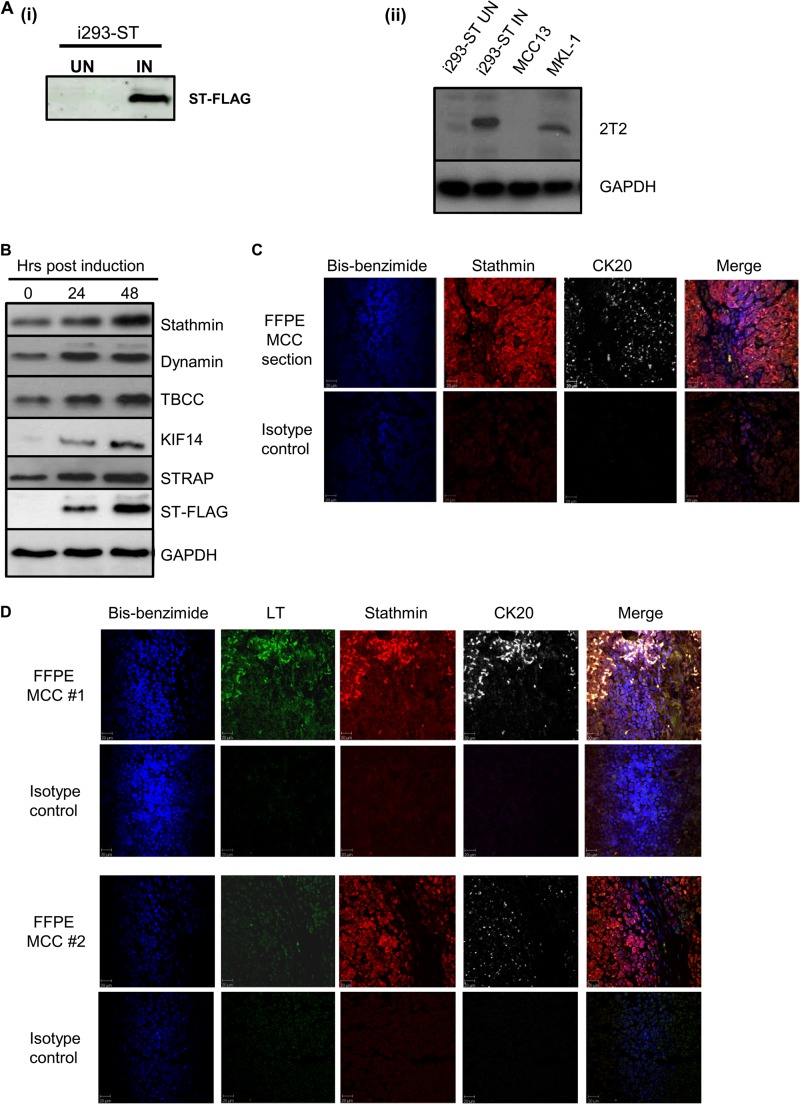
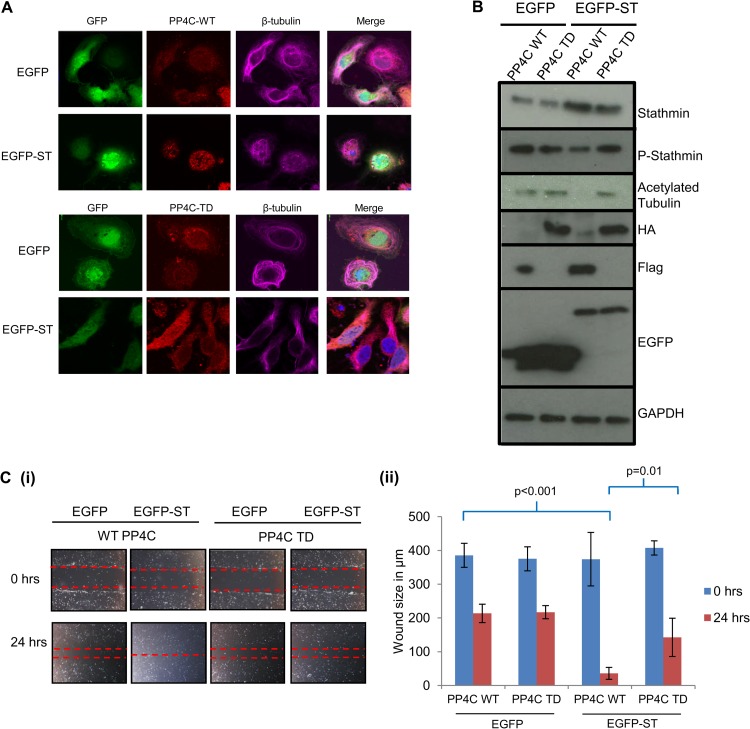
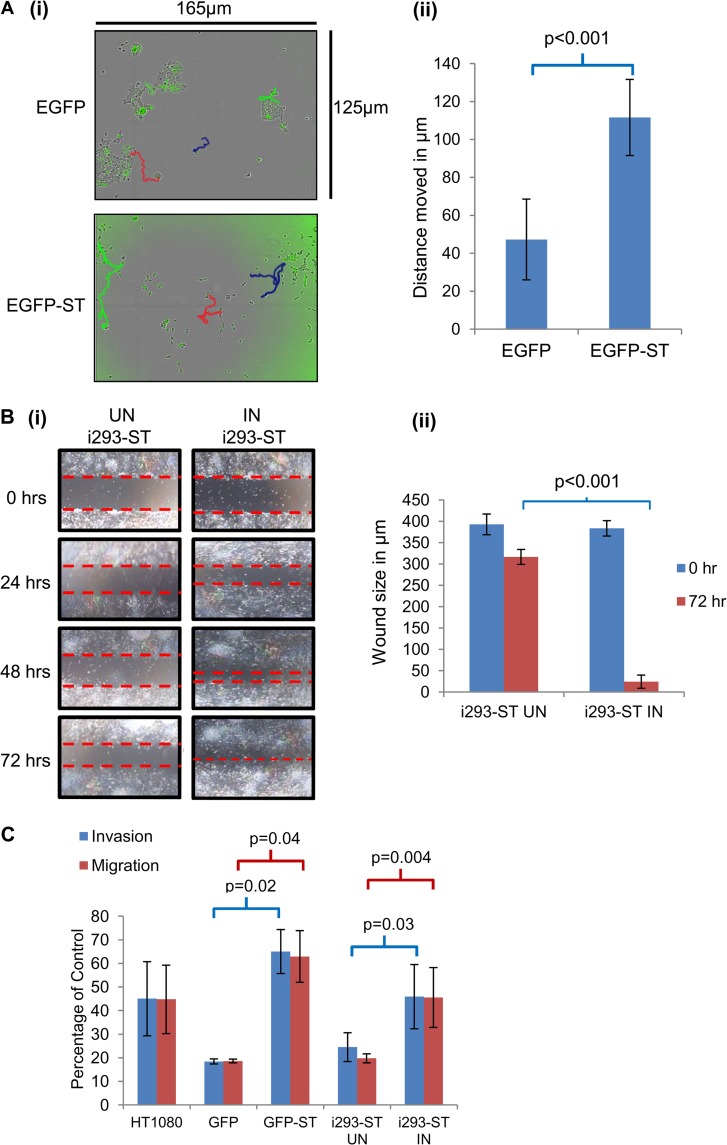
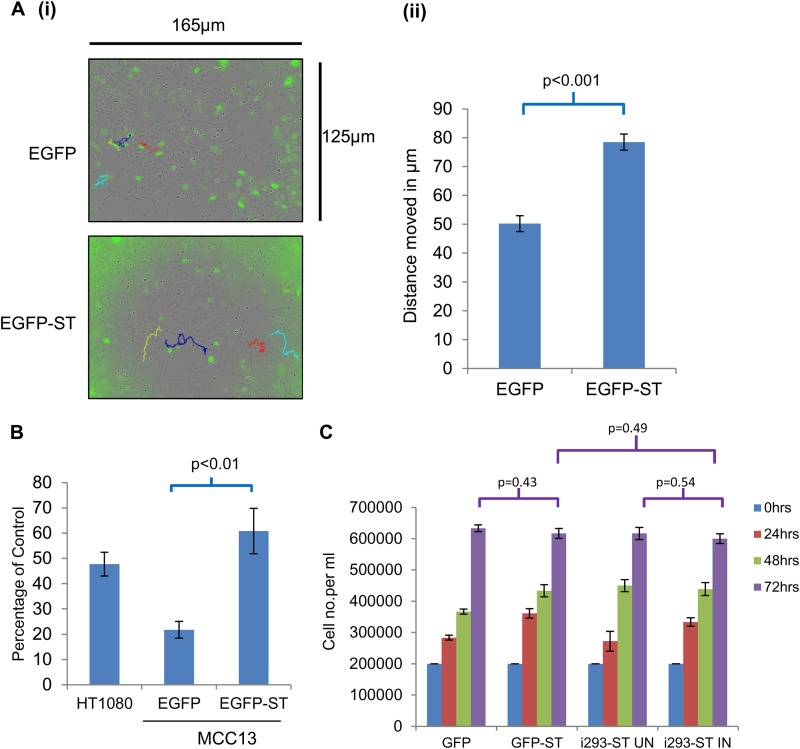
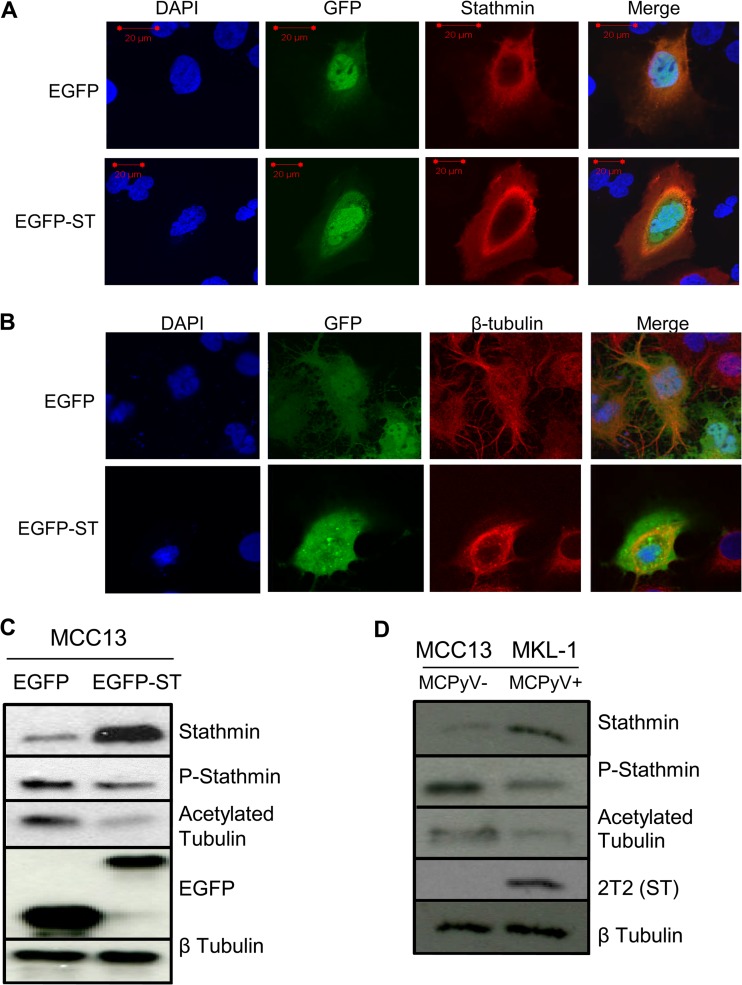
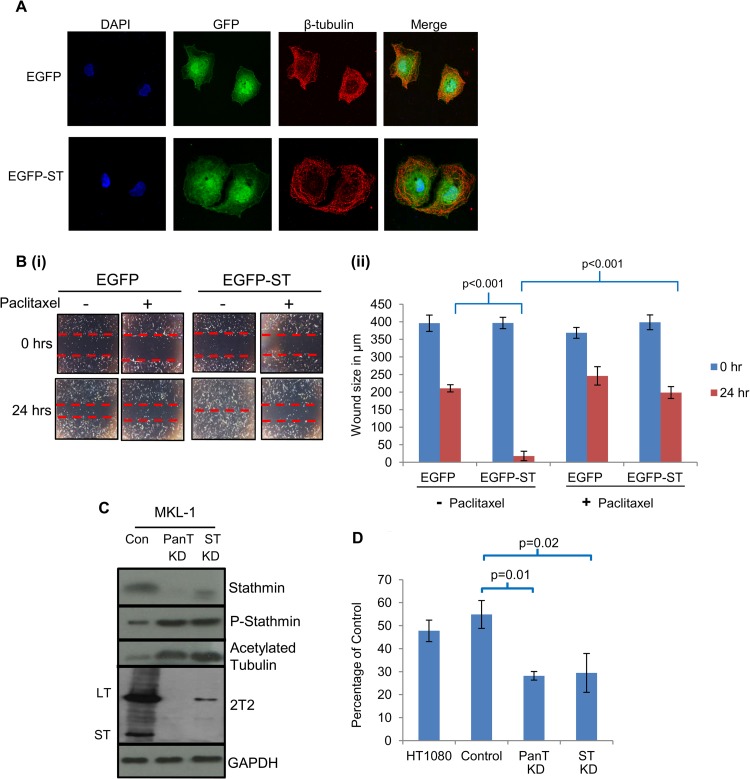
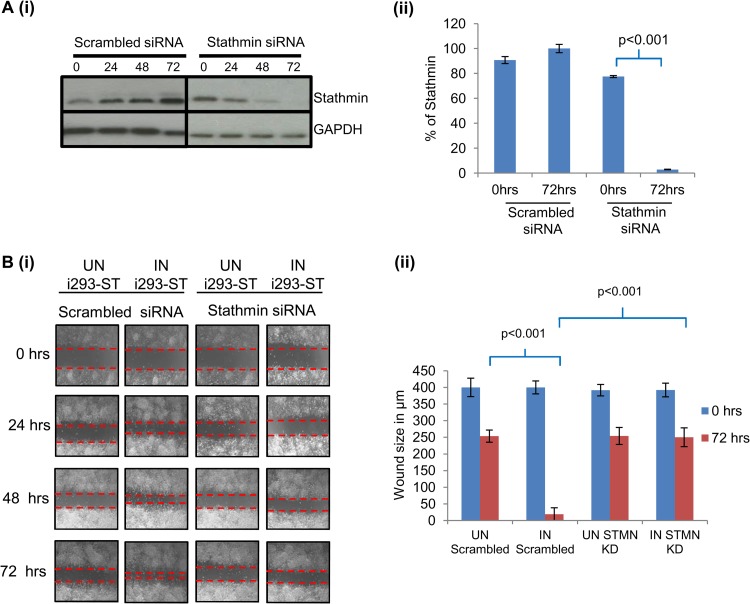
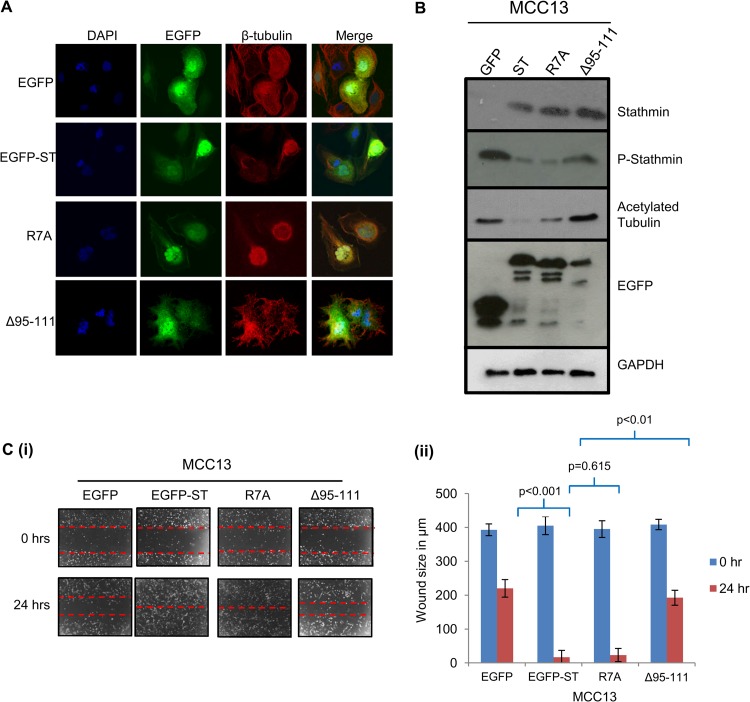
Merkel cell carcinoma (MCC) is an aggressive skin cancer of neuroendocrine origin with a high propensity for recurrence and metastasis. Merkel cell polyomavirus (MCPyV) causes the majority of MCC cases due to the expression of the MCPyV small and large tumor antigens (ST and LT, respectively). Although a number of molecular mechanisms have been attributed to MCPyV tumor antigen-mediated cellular transformation or replication, to date, no studies have investigated any potential link between MCPyV T antigen expression and the highly metastatic nature of MCC. Here we use a quantitative proteomic approach to show that MCPyV ST promotes differential expression of cellular proteins implicated in microtubule-associated cytoskeletal organization and dynamics. Intriguingly, we demonstrate that MCPyV ST expression promotes microtubule destabilization, leading to a motile and migratory phenotype. We further highlight the essential role of the microtubule-associated protein stathmin in MCPyV ST-mediated microtubule destabilization and cell motility and implicate the cellular phosphatase catalytic subunit protein phosphatase 4C (PP4C) in the regulation of this process. These findings suggest a possible molecular mechanism for the highly metastatic phenotype associated with MCC.
Merkel cell polyomavirus (MCPyV) causes the majority of cases of Merkel cell carcinoma (MCC), an aggressive skin cancer with a high metastatic potential. However, the molecular mechanisms leading to virally induced cancer development have yet to be fully elucidated. In particular, no studies have investigated any potential link between the virus and the highly metastatic nature of MCC. We demonstrate that the MCPyV small tumor antigen (ST) promotes the destabilization of the host cell microtubule network, which leads to a more motile and migratory cell phenotype. We further show that MCPyV ST induces this process by regulating the phosphorylation status of the cellular microtubule-associated protein stathmin by its known association with the cellular phosphatase catalytic subunit PP4C. These findings highlight stathmin as a possible biomarker of MCC and as a target for novel antitumoral therapies.
默克尔细胞癌(MCC)是一种源自神经内分泌的侵袭性皮肤癌,具有高复发和转移倾向。默克尔细胞多瘤病毒(MCPyV)由于表达 MCPyV 小和大肿瘤抗原(分别为 ST 和 LT),导致大多数 MCC 病例。尽管已经有许多分子机制归因于 MCPyV 肿瘤抗原介导的细胞转化或复制,但迄今为止,尚无研究调查 MCPyV T 抗原表达与 MCC 高度转移性之间的任何潜在联系。在这里,我们使用定量蛋白质组学方法表明 MCPyV ST 促进了与微管相关细胞骨架组织和动力学相关的细胞蛋白的差异表达。有趣的是,我们证明 MCPyV ST 表达促进微管去稳定化,导致运动和迁移表型。我们进一步强调微管相关蛋白 stathmin 在 MCPyV ST 介导的微管去稳定化和细胞运动中的重要作用,并暗示细胞磷酸酶催化亚基蛋白磷酸酶 4C(PP4C)在该过程的调节中起作用。这些发现为与 MCC 相关的高度转移性表型提供了一种可能的分子机制。
默克尔细胞多瘤病毒(MCPyV)导致大多数默克尔细胞癌(MCC)病例,这是一种具有高转移潜能的侵袭性皮肤癌。然而,导致病毒诱导癌症发展的分子机制尚未完全阐明。特别是,尚无研究调查病毒与 MCC 的高度转移性之间的任何潜在联系。我们证明 MCPyV 小肿瘤抗原(ST)促进宿主细胞微管网络的去稳定化,从而导致更具运动性和迁移性的细胞表型。我们进一步表明,MCPyV ST 通过其与细胞磷酸酶催化亚基 PP4C 的已知关联,调节细胞微管相关蛋白 stathmin 的磷酸化状态来诱导此过程。这些发现强调 stathmin 作为 MCC 的可能生物标志物和新型抗肿瘤治疗的靶标。