From the School of Molecular and Cellular Biology.
Astbury Centre for Structural Molecular Biology.
J Biol Chem. 2018 Mar 23;293(12):4582-4590. doi: 10.1074/jbc.RA117.001343. Epub 2018 Feb 8.
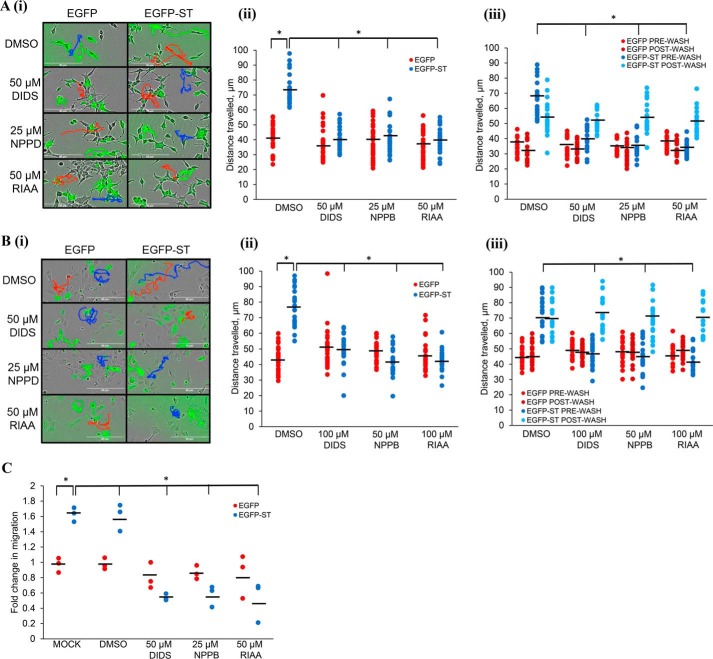
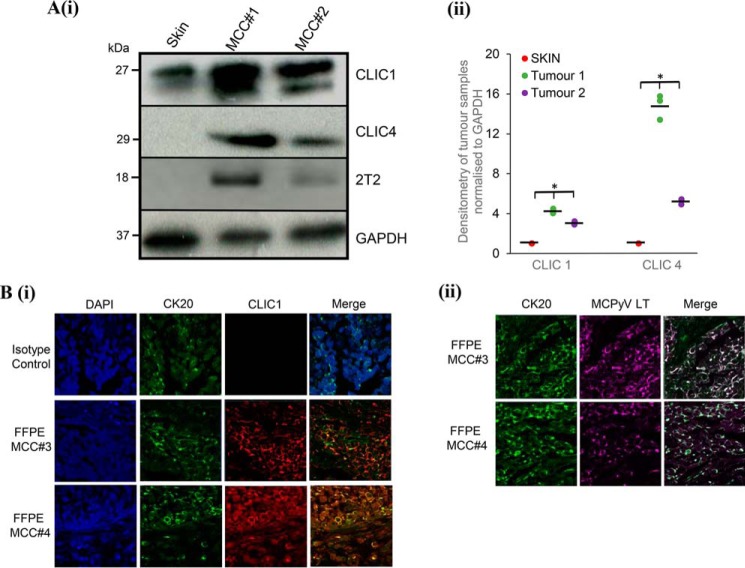
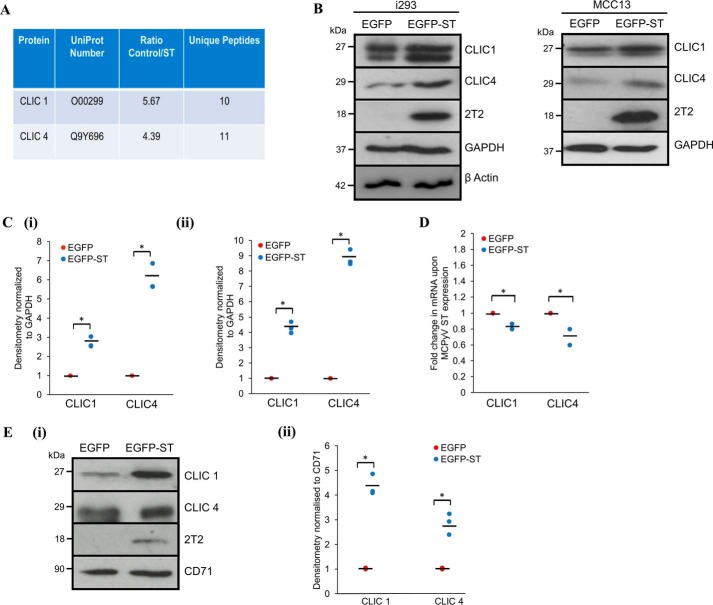
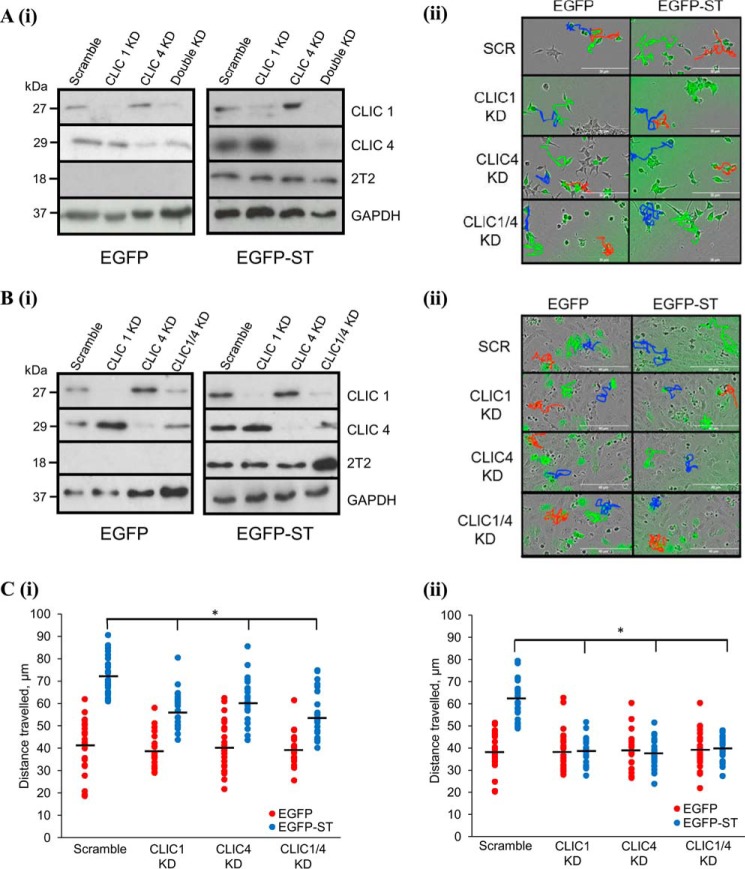
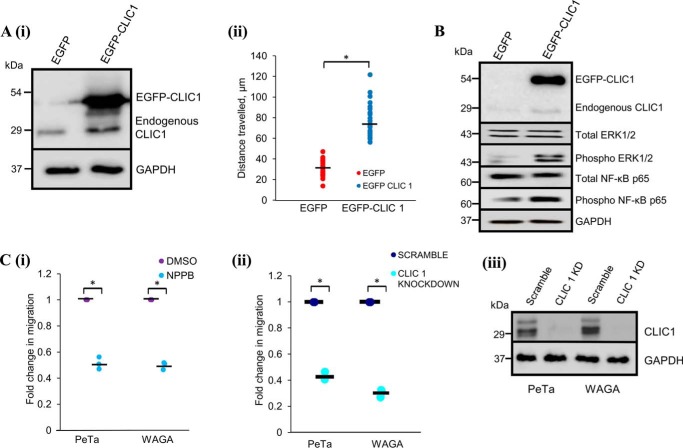
Ion channels regulate many aspects of cell physiology, including cell proliferation, motility, and migration, and aberrant expression and activity of ion channels is associated with various stages of tumor development, with K and Cl channels now being considered the most active during tumorigenesis. Accordingly, emerging and preclinical studies have revealed that pharmacological manipulation of ion channel activity offers protection against several cancers. Merkel cell polyomavirus (MCPyV) is a major cause of Merkel cell carcinoma (MCC), primarily because of the expression of two early regulatory proteins termed small and large tumor antigens (ST and LT, respectively). Several molecular mechanisms have been attributed to MCPyV-mediated cancer formation but, thus far, no studies have investigated any potential link to cellular ion channels. Here we demonstrate that Cl channel modulation can reduce MCPyV ST-induced cell motility and invasiveness. Proteomic analysis revealed that MCPyV ST up-regulates two Cl channels, CLIC1 and CLIC4, which when silenced, inhibit MCPyV ST-induced motility and invasiveness, implicating their function as critical to MCPyV-induced metastatic processes. Consistent with these data, we confirmed that CLIC1 and CLIC4 are up-regulated in primary MCPyV-positive MCC patient samples. We therefore, for the first time, implicate cellular ion channels as a key host cell factor contributing to virus-mediated cellular transformation. Given the intense interest in ion channel modulating drugs for human disease. This highlights CLIC1 and CLIC4 activity as potential targets for MCPyV-induced MCC.
离子通道调节细胞生理的多个方面,包括细胞增殖、运动和迁移,而离子通道的异常表达和活性与肿瘤发展的各个阶段有关,目前认为 K 和 Cl 通道在肿瘤发生过程中最为活跃。因此,新兴的和临床前研究表明,离子通道活性的药理学操纵可提供对多种癌症的保护。默克尔细胞多瘤病毒(MCPyV)是默克尔细胞癌(MCC)的主要病因,主要是因为表达了两种早期调节蛋白,分别称为小和大肿瘤抗原(ST 和 LT)。已经归因于 MCPyV 介导的癌症形成的几种分子机制,但迄今为止,没有研究调查任何与细胞离子通道的潜在联系。在这里,我们证明 Cl 通道调节可以减少 MCPyV ST 诱导的细胞迁移和侵袭性。蛋白质组学分析表明,MCPyV ST 上调了两种 Cl 通道,CLIC1 和 CLIC4,当沉默时,它们抑制 MCPyV ST 诱导的运动和侵袭性,表明它们的功能对于 MCPyV 诱导的转移过程至关重要。与这些数据一致,我们证实 CLIC1 和 CLIC4 在原发性 MCPyV 阳性 MCC 患者样本中上调。因此,我们首次将细胞离子通道作为参与病毒介导的细胞转化的关键宿主细胞因子。鉴于人们对用于人类疾病的离子通道调节药物的浓厚兴趣。这突显了 CLIC1 和 CLIC4 活性作为 MCPyV 诱导的 MCC 的潜在靶标。