Fukuyama Hajime, Yamashiro Shin, Kinjo Kiyoshi, Tamaki Hitoshi, Kishaba Tomoo
Department of Respiratory Medicine, Okinawa Chubu Hospital, 281 Miyazato, Uruma, Okinawa, Japan.
BMC Infect Dis. 2014 Oct 18;14:534. doi: 10.1186/1471-2334-14-534.
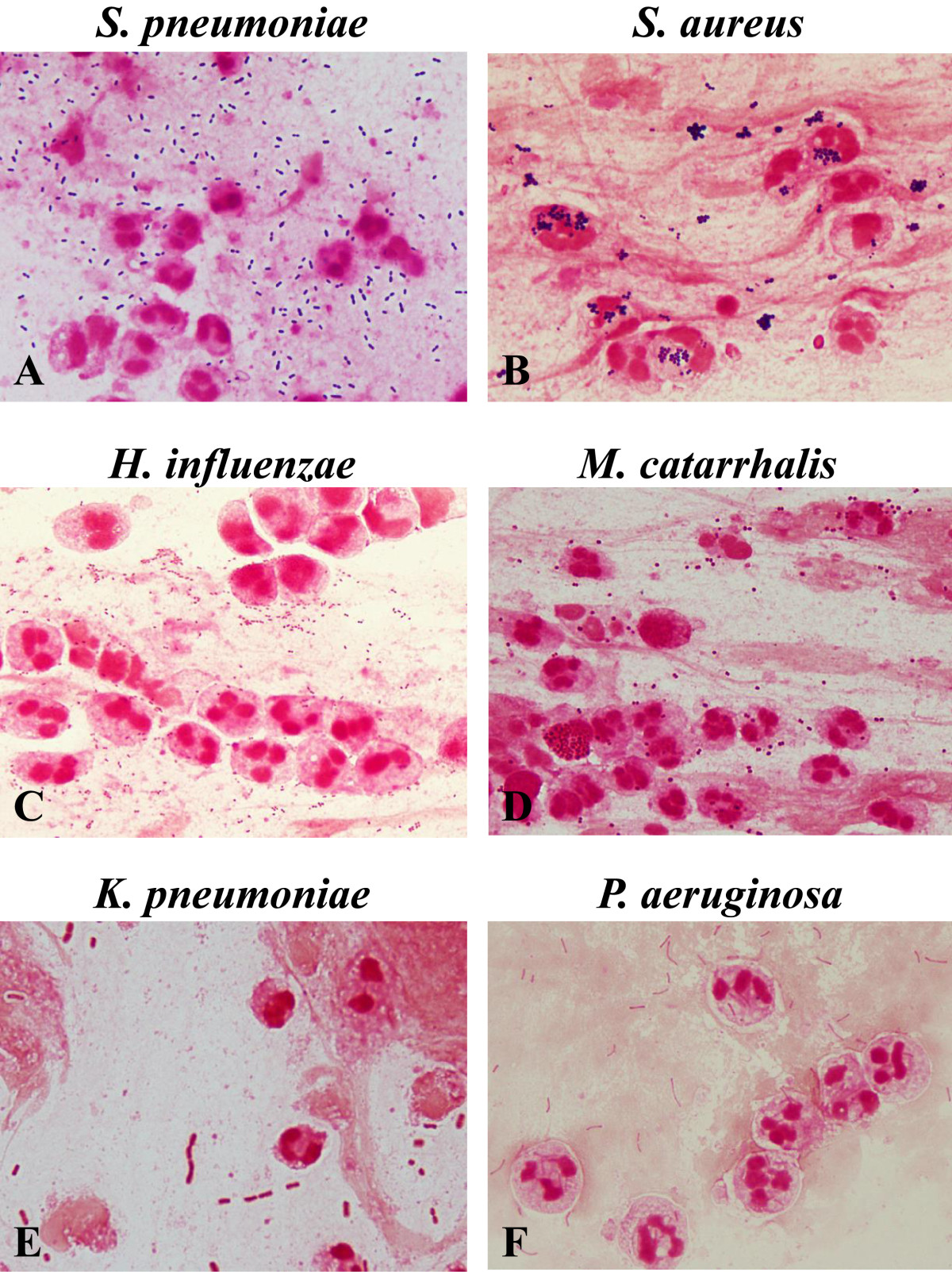
The usefulness of sputum Gram stain in patients with community-acquired pneumonia (CAP) is controversial. There has been no study to evaluate the diagnostic value of this method in patients with healthcare-associated pneumonia (HCAP). The purpose of this study was to evaluate the usefulness of sputum Gram stain in etiological diagnosis and pathogen-targeted antibiotic treatment of CAP and HCAP.
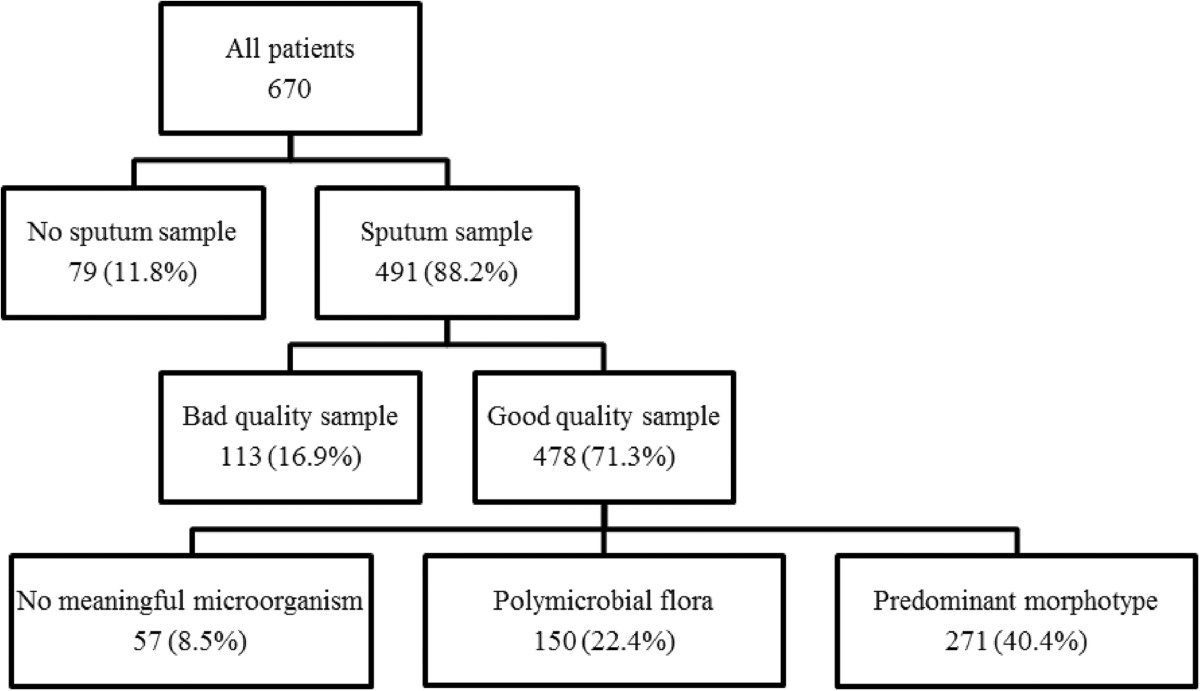
We conducted a prospective observational study on hospitalized patients with pneumonia admitted to our hospital from August 2010 to July 2012. Before administering antibiotics on admission, Gram stain was performed and examined by trained physicians immediately after sputum samples were obtained. We analyzed the quality of sputum samples and the diagnostic performance of Gram stain. We also compared pathogen-targeted antibiotic treatment guided by sputum Gram stain with empirical treatment.
Of 670 patients with pneumonia, 328 were CAP and 342 were HCAP. Sputum samples were obtained from 591 patients, of these 478 samples were good quality. The sensitivity and specificity of sputum Gram stain were 62.5% and 91.5% for Streptococcus pneumoniae, 60.9% and 95.1% for Haemophilus influenzae, 68.2% and 96.1% for Moraxella catarrhalis, 39.5% and 98.2% for Klebsiella pneumoniae, 22.2% and 99.8% for Pseudomonas aeruginosa, 9.1% and 100% for Staphylococcus aureus. The diagnostic yield decreased in patients who had received antibiotics or patients with suspected aspiration pneumonia. Pathogen-targeted treatment provided similar efficacy with a decrease in adverse events compared to empirical treatment.
Sputum Gram stain is highly specific for the etiologic diagnosis and useful in guiding pathogen-targeted antibiotic treatment of CAP and HCAP.
痰革兰氏染色在社区获得性肺炎(CAP)患者中的实用性存在争议。尚无研究评估该方法在医疗保健相关肺炎(HCAP)患者中的诊断价值。本研究的目的是评估痰革兰氏染色在CAP和HCAP病因诊断及针对性抗生素治疗中的实用性。
我们对2010年8月至2012年7月入住我院的肺炎住院患者进行了一项前瞻性观察研究。入院使用抗生素前,采集痰标本后由经过培训的医生立即进行革兰氏染色并检查。我们分析了痰标本质量及革兰氏染色的诊断性能。我们还比较了根据痰革兰氏染色指导的针对性抗生素治疗与经验性治疗。
670例肺炎患者中,328例为CAP,342例为HCAP。591例患者获取了痰标本,其中478份标本质量良好。痰革兰氏染色对肺炎链球菌的敏感性和特异性分别为62.5%和91.5%,对流感嗜血杆菌为60.9%和95.1%,对卡他莫拉菌为68.2%和96.1%,对肺炎克雷伯菌为�9.5%和98.2%,对铜绿假单胞菌为22.2%和99.8%,对金黄色葡萄球菌为9.1%和100%。接受过抗生素治疗的患者或疑似吸入性肺炎患者的诊断率降低。与经验性治疗相比,针对性治疗疗效相似且不良事件减少。
痰革兰氏染色对CAP和HCAP的病因诊断具有高度特异性,有助于指导针对性抗生素治疗。