Bonjour Jean-Philippe, Kohrt Wendy, Levasseur Régis, Warren Michelle, Whiting Susan, Kraenzlin Marius
Division of Bone Disease, University Hospitals and Faculty of Medicine,Geneva,Switzerland.
Division of Geriatric Medicine, University of Colorado,Denver,CO,USA.
Nutr Res Rev. 2014 Dec;27(2):252-67. doi: 10.1017/S0954422414000183. Epub 2014 Nov 14.
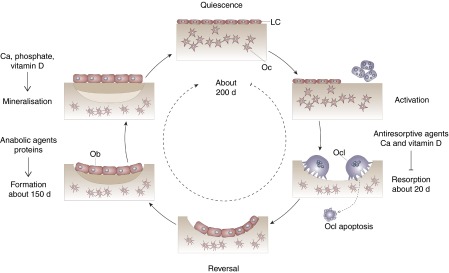
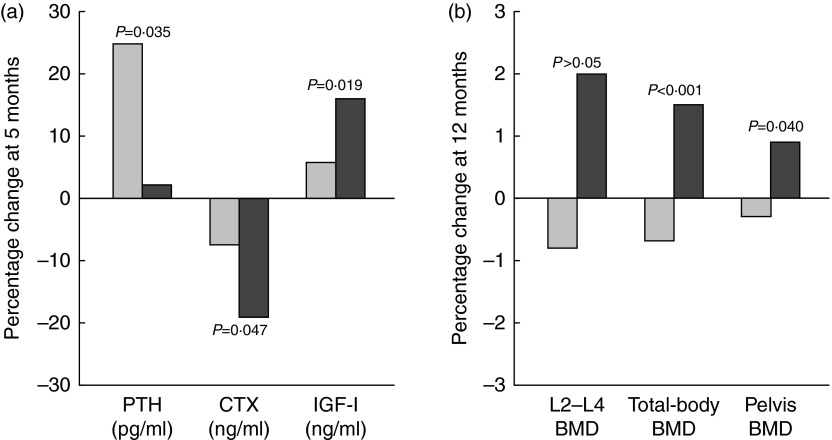
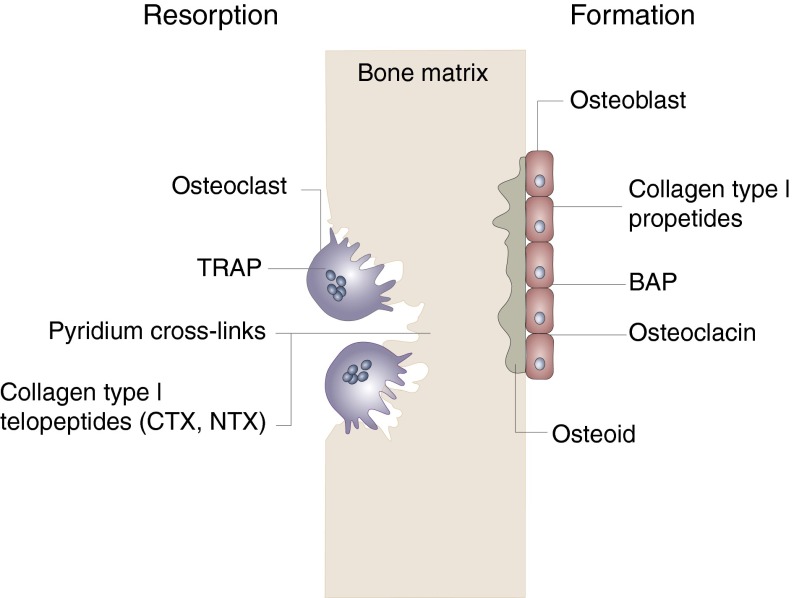
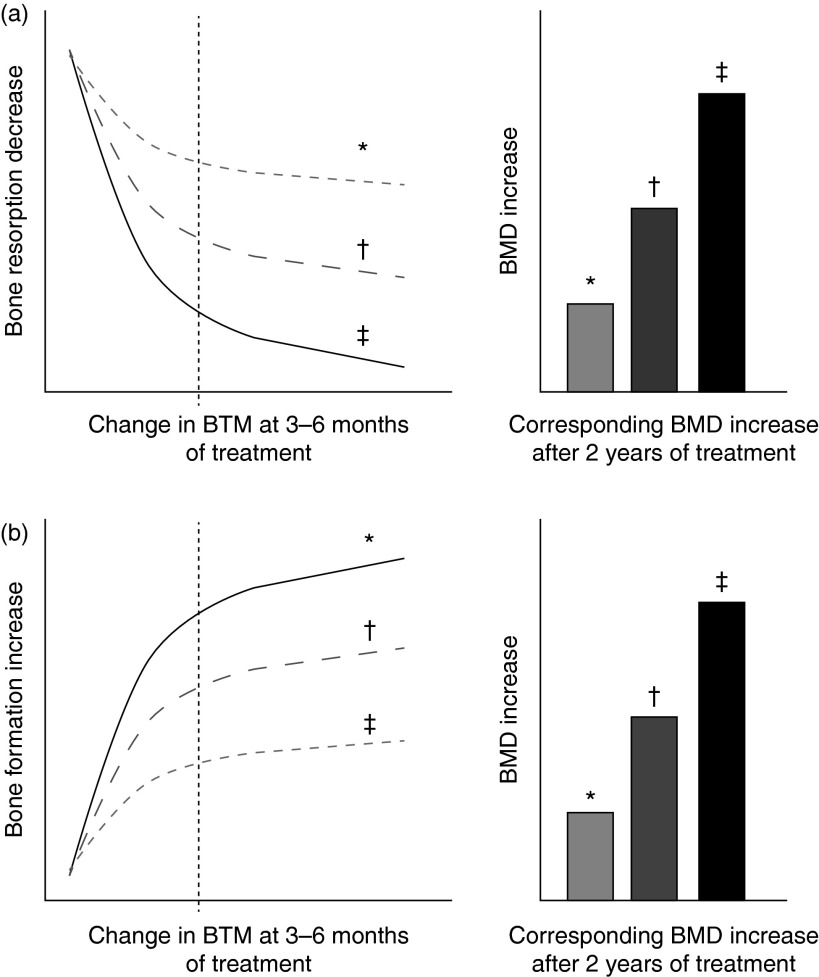
Nutrition plays an important role in osteoporosis prevention and treatment. Substantial progress in both laboratory analyses and clinical use of biochemical markers has modified the strategy of anti-osteoporotic drug development. The present review examines the use of biochemical markers in clinical research aimed at characterising the influence of foods or nutrients on bone metabolism. The two types of markers are: (i) specific hormonal factors related to bone; and (ii) bone turnover markers (BTM) that reflect bone cell metabolism. Of the former, vitamin D metabolites, parathyroid hormone, and insulin-like growth factor-I indicate responses to variations in the supply of bone-related nutrients, such as vitamin D, Ca, inorganic phosphate and protein. Thus modification in bone remodelling, the key process upon which both pharmaceutical agents and nutrients exert their anti-catabolic or anabolic actions, is revealed. Circulating BTM reflect either osteoclastic resorption or osteoblastic formation. Intervention with pharmacological agents showed that early changes in BTM predicted bone loss and subsequent osteoporotic fracture risk. New trials have documented the influence of nutrition on bone-tropic hormonal factors and BTM in adults, including situations of body-weight change, such as anorexia nervosa, and weight loss by obese subjects. In osteoporosis-prevention studies involving dietary manipulation, randomised cross-over trials are best suited to evaluate influences on bone metabolism, and insight into effects on bone metabolism may be gained within a relatively short time when biochemical markers are monitored.
营养在骨质疏松症的预防和治疗中起着重要作用。生化标志物在实验室分析和临床应用方面取得的重大进展改变了抗骨质疏松药物的研发策略。本综述探讨了生化标志物在临床研究中的应用,这些研究旨在确定食物或营养素对骨代谢的影响。两种类型的标志物为:(i)与骨相关的特定激素因子;(ii)反映骨细胞代谢的骨转换标志物(BTM)。对于前者,维生素D代谢物、甲状旁腺激素和胰岛素样生长因子-I表明对与骨相关营养素供应变化的反应,如维生素D、钙、无机磷酸盐和蛋白质。因此,揭示了骨重塑的改变,这是药物和营养素发挥其抗分解代谢或合成代谢作用的关键过程。循环中的BTM反映破骨细胞吸收或成骨细胞形成。药物干预表明,BTM的早期变化可预测骨质流失和随后的骨质疏松性骨折风险。新的试验记录了营养对成年人骨靶向激素因子和BTM的影响,包括体重变化的情况,如神经性厌食症,以及肥胖受试者的体重减轻。在涉及饮食控制的骨质疏松症预防研究中,随机交叉试验最适合评估对骨代谢的影响,并且在监测生化标志物时,可在相对较短的时间内了解对骨代谢的影响。