Liechti Fabian D, Stüdle Nicolas, Theurillat Regula, Grandgirard Denis, Thormann Wolfgang, Leib Stephen L
Neuroinfection Laboratory, Institute for Infectious Diseases, University of Bern, Bern, Switzerland; Graduate School for Cellular and Biomedical Sciences, University of Bern, Bern, Switzerland.
Neuroinfection Laboratory, Institute for Infectious Diseases, University of Bern, Bern, Switzerland.
PLoS One. 2014 Nov 19;9(11):e113607. doi: 10.1371/journal.pone.0113607. eCollection 2014.
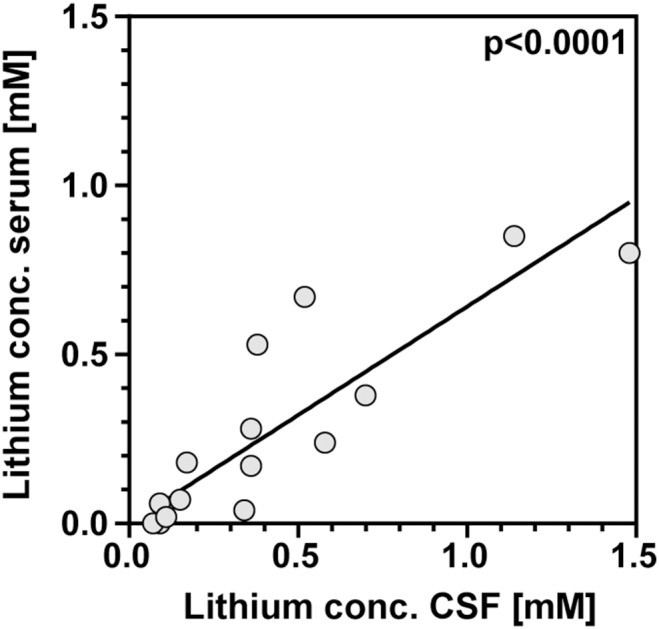
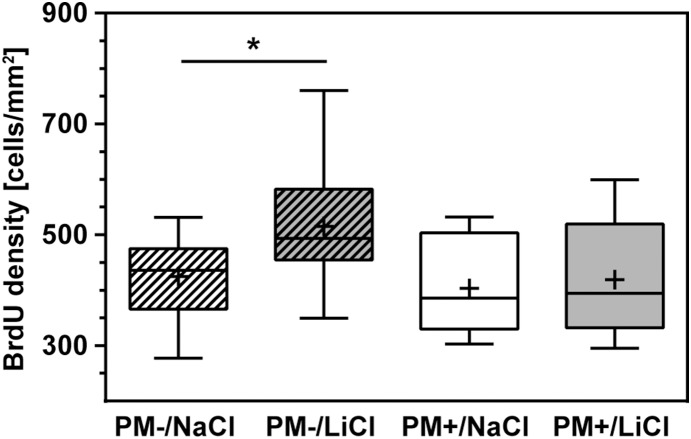
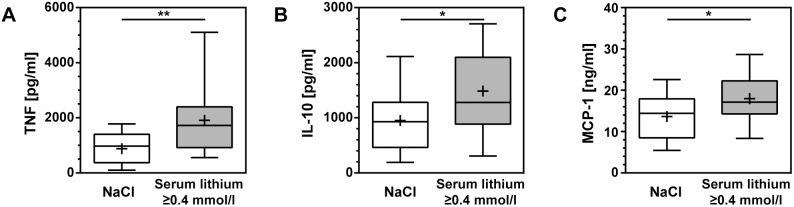
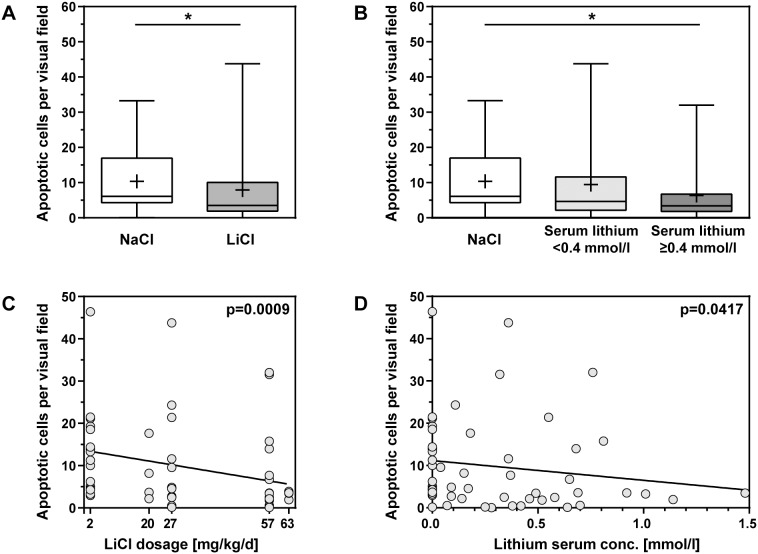
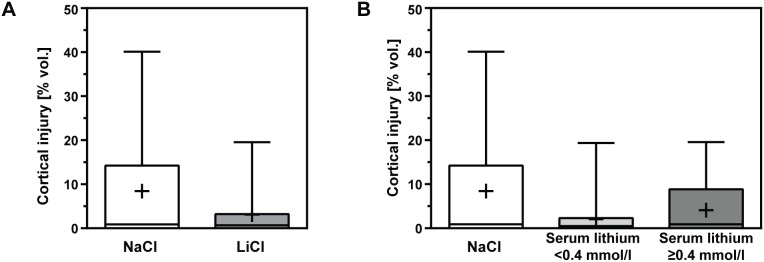
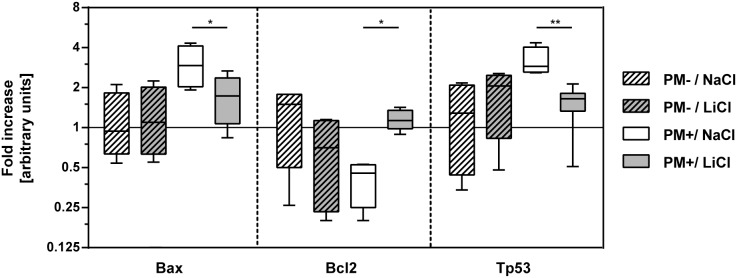
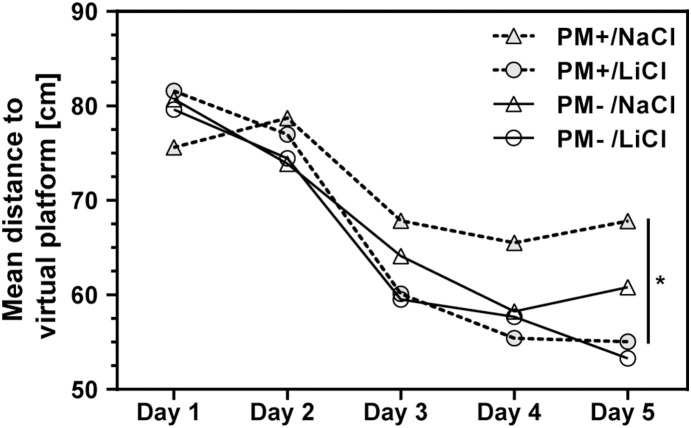
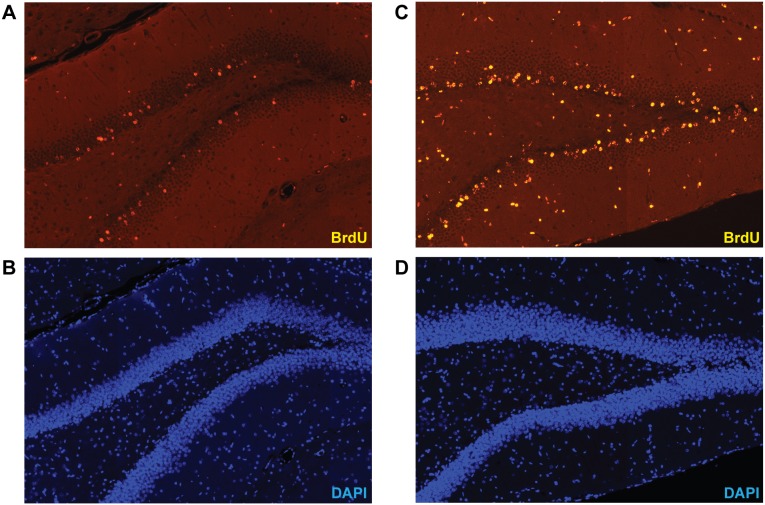
Pneumococcal meningitis is associated with high morbidity and mortality rates. Brain damage caused by this disease is characterized by apoptosis in the hippocampal dentate gyrus, a morphological correlate of learning deficits in experimental paradigms. The mood stabilizer lithium has previously been found to attenuate brain damage in ischemic and inflammatory diseases of the brain. An infant rat model of pneumococcal meningitis was used to investigate the neuroprotective and neuroregenerative potential of lithium. To assess an effect on the acute disease, LiCl was administered starting five days prior to intracisternal infection with live Streptococcus pneumoniae. Clinical parameters were recorded, cerebrospinal fluid (CSF) was sampled, and the animals were sacrificed 42 hours after infection to harvest the brain and serum. Cryosections of the brains were stained for Nissl substance to quantify brain injury. Hippocampal gene expression of Bcl-2, Bax, p53, and BDNF was analyzed. Lithium concentrations were measured in serum and CSF. The effect of chronic lithium treatment on spatial memory function and cell survival in the dentate gyrus was evaluated in a Morris water maze and by quantification of BrdU incorporation after LiCl treatment during 3 weeks following infection. In the hippocampus, LiCl significantly reduced apoptosis and gene expression of Bax and p53 while it increased expression of Bcl-2. IL-10, MCP-1, and TNF were significantly increased in animals treated with LiCl compared to NaCl. Chronic LiCl treatment improved spatial memory in infected animals. The mood stabilizer lithium may thus be a therapeutic alternative to attenuate neurofunctional deficits as a result of pneumococcal meningitis.
肺炎球菌性脑膜炎与高发病率和死亡率相关。这种疾病导致的脑损伤以海马齿状回中的细胞凋亡为特征,这在实验范式中是学习缺陷的一种形态学关联。此前已发现情绪稳定剂锂可减轻脑缺血和炎症性疾病中的脑损伤。使用肺炎球菌性脑膜炎幼鼠模型来研究锂的神经保护和神经再生潜力。为评估对急性疾病的影响,在经脑池内注射活的肺炎链球菌感染前5天开始给予LiCl。记录临床参数,采集脑脊液(CSF),并在感染后42小时处死动物以获取脑和血清。对脑的冰冻切片进行尼氏物质染色以量化脑损伤。分析海马中Bcl-2、Bax、p53和BDNF的基因表达。测量血清和脑脊液中的锂浓度。在感染后3周的LiCl治疗期间,通过Morris水迷宫和量化BrdU掺入来评估慢性锂治疗对齿状回空间记忆功能和细胞存活的影响。在海马中,LiCl显著减少了Bax和p53的细胞凋亡和基因表达,同时增加了Bcl-2的表达。与NaCl处理的动物相比,LiCl处理的动物中IL-10、MCP-1和TNF显著增加。慢性LiCl治疗改善了感染动物的空间记忆。因此,情绪稳定剂锂可能是减轻肺炎球菌性脑膜炎所致神经功能缺损的一种治疗选择。