Zysset-Burri Denise C, Bellac Caroline L, Leib Stephen L, Wittwer Matthias
Biology Division, Spiez Laboratory, Federal Office for Civil Protection, Austrasse, CH-3700, Spiez, Switzerland.
BMC Infect Dis. 2013 Aug 27;13:393. doi: 10.1186/1471-2334-13-393.
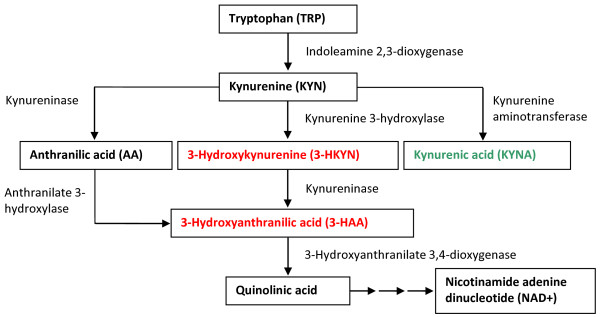
Bacterial meningitis caused by Streptococcus pneumoniae leads to death in up to 30% of patients and leaves up to half of the survivors with neurological sequelae. The inflammatory host reaction initiates the induction of the kynurenine pathway and contributes to hippocampal apoptosis, a form of brain damage that is associated with learning and memory deficits in experimental paradigms. Vitamin B6 is an enzymatic cofactor in the kynurenine pathway and may thus limit the accumulation of neurotoxic metabolites and preserve the cellular energy status. The aim of this study in a pneumococcal meningitis model was to investigate the effect of vitamin B6 on hippocampal apoptosis by histomorphology, by transcriptomics and by measurement of cellular nicotine amide adenine dinucleotide content.
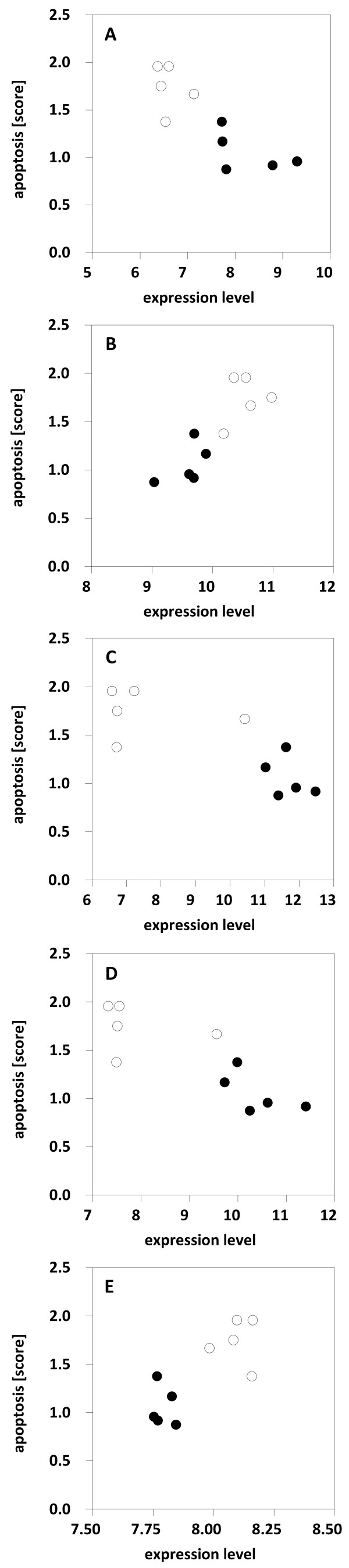
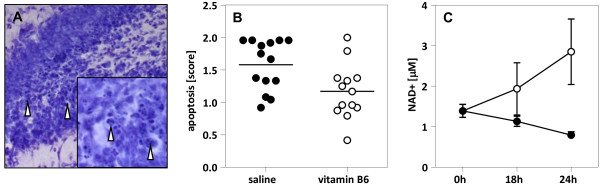
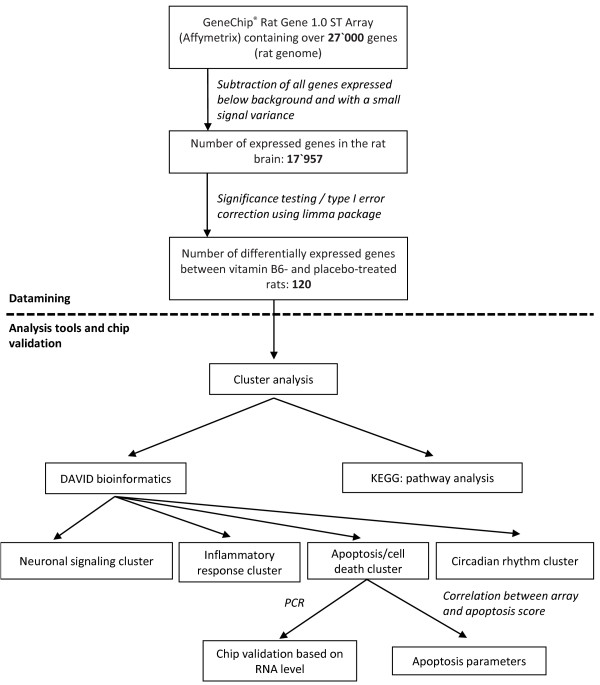
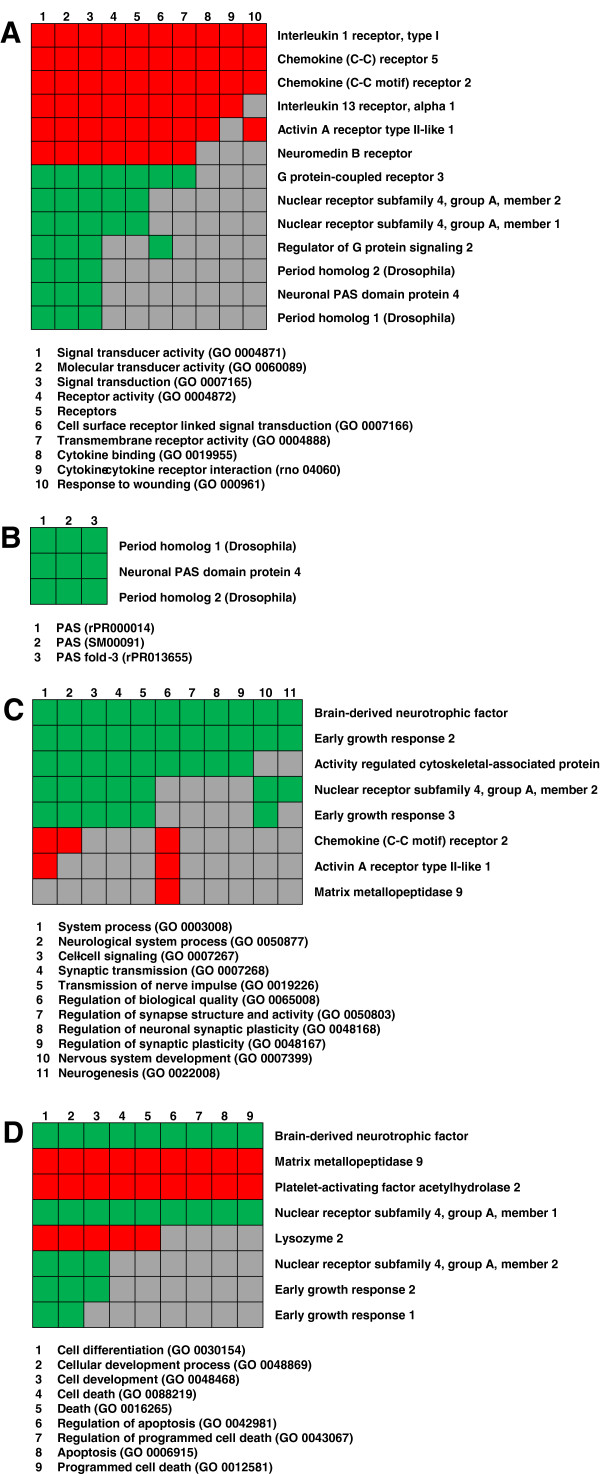
Eleven day old Wistar rats were infected with 1x10(6) cfu/ml of S. pneumoniae and randomized for treatment with vitamin B6 or saline as controls. Vitamin B6 led to a significant (p > 0.02) reduction of hippocampal apoptosis. According to functional annotation based clustering, vitamin B6 led to down-regulation of genes involved in processes of inflammatory response, while genes encoding for processes related to circadian rhythm, neuronal signaling and apoptotic cell death were mostly up-regulated.
Our results provide evidence that attenuation of apoptosis by vitamin B6 is multi-factorial including down-modulation of inflammation, up-regulation of the neuroprotective brain-derived neurotrophic factor and prevention of the exhaustion of cellular energy stores. The neuroprotective effect identifies vitamin B6 as a potential target for the development of strategies to attenuate brain injury in bacterial meningitis.
肺炎链球菌引起的细菌性脑膜炎导致高达30%的患者死亡,且多达半数幸存者留有神经后遗症。宿主炎症反应启动犬尿氨酸途径的诱导,并导致海马体凋亡,这种脑损伤形式在实验模型中与学习和记忆缺陷相关。维生素B6是犬尿氨酸途径中的一种酶辅因子,因此可能会限制神经毒性代谢产物的积累并维持细胞能量状态。本研究在肺炎球菌性脑膜炎模型中的目的是通过组织形态学、转录组学以及细胞烟酰胺腺嘌呤二核苷酸含量测定来研究维生素B6对海马体凋亡的影响。
11日龄的Wistar大鼠感染1×10(6) cfu/ml的肺炎链球菌,并随机分为两组,分别用维生素B6或生理盐水作为对照进行治疗。维生素B6导致海马体凋亡显著减少(p > 0.02)。根据基于功能注释的聚类分析,维生素B6导致参与炎症反应过程的基因下调,而编码与昼夜节律、神经元信号传导和凋亡性细胞死亡相关过程的基因大多上调。
我们的结果表明,维生素B6对凋亡的减轻是多因素的,包括炎症的下调、神经保护因子脑源性神经营养因子的上调以及细胞能量储备耗竭的预防。这种神经保护作用确定维生素B6为开发减轻细菌性脑膜炎脑损伤策略的潜在靶点。