Omelchenko Tatiana, Rabadan M Angeles, Hernández-Martínez Rocío, Grego-Bessa Joaquim, Anderson Kathryn V, Hall Alan
Cell Biology Program,
Cell Biology Program.
Genes Dev. 2014 Dec 15;28(24):2764-77. doi: 10.1101/gad.251371.114.
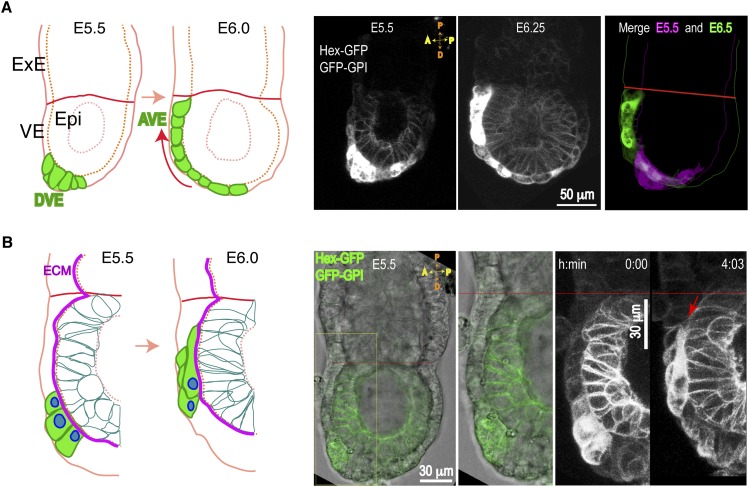
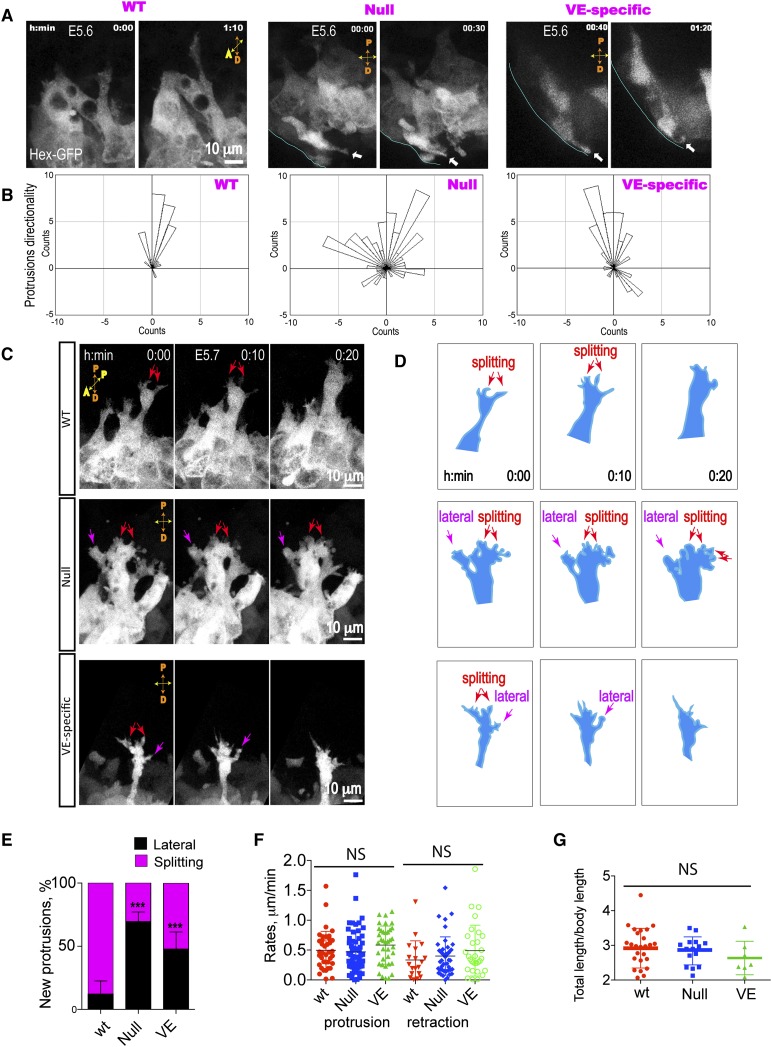
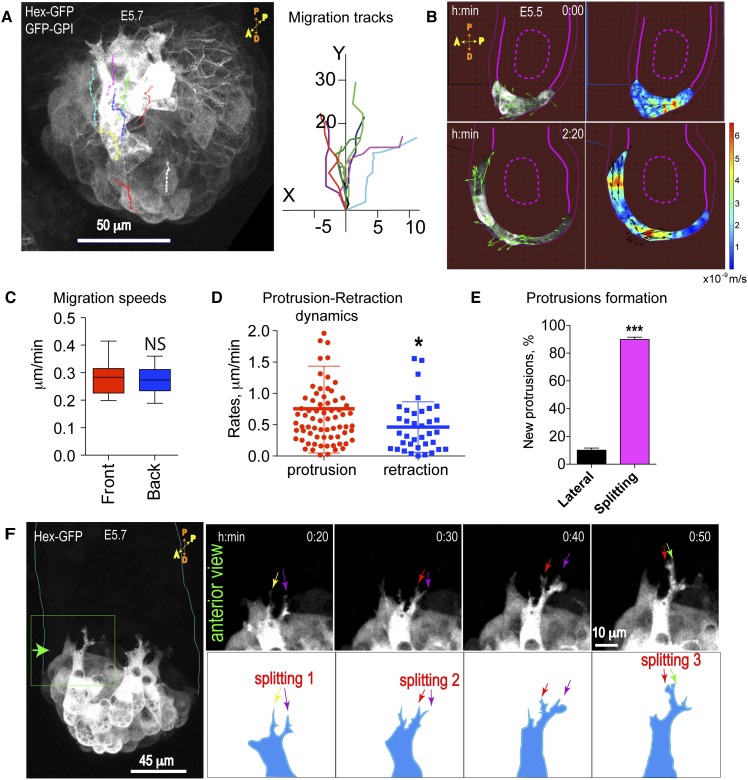
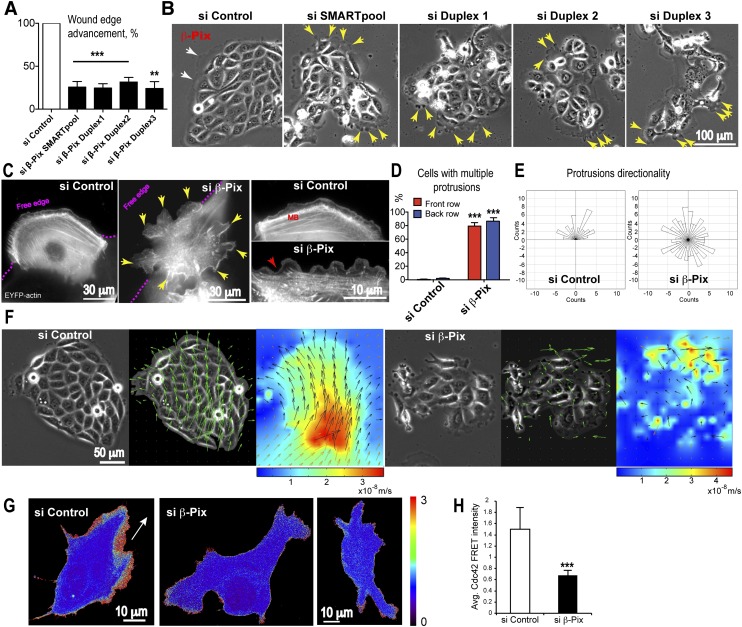
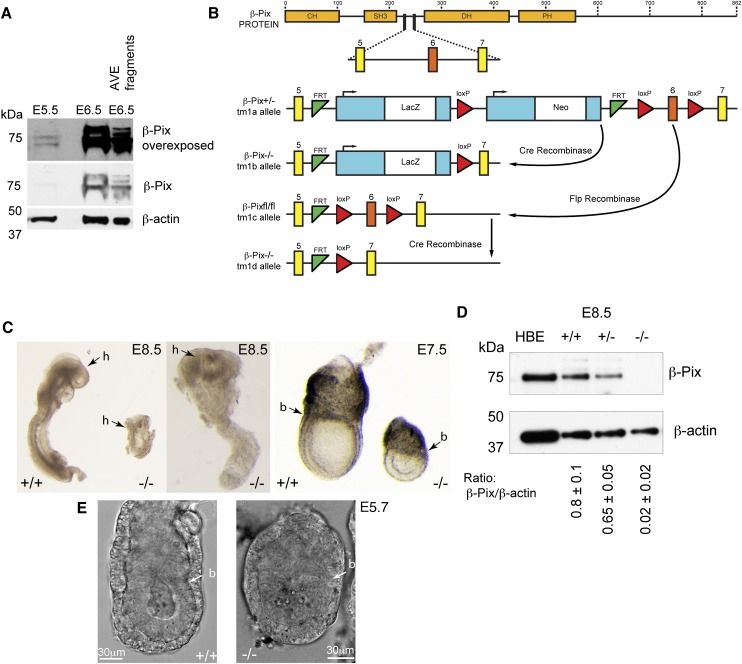
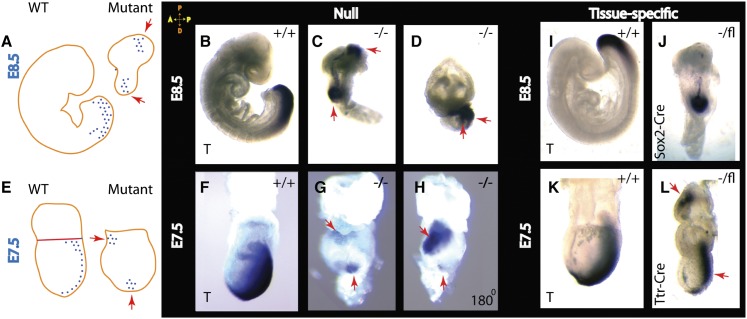
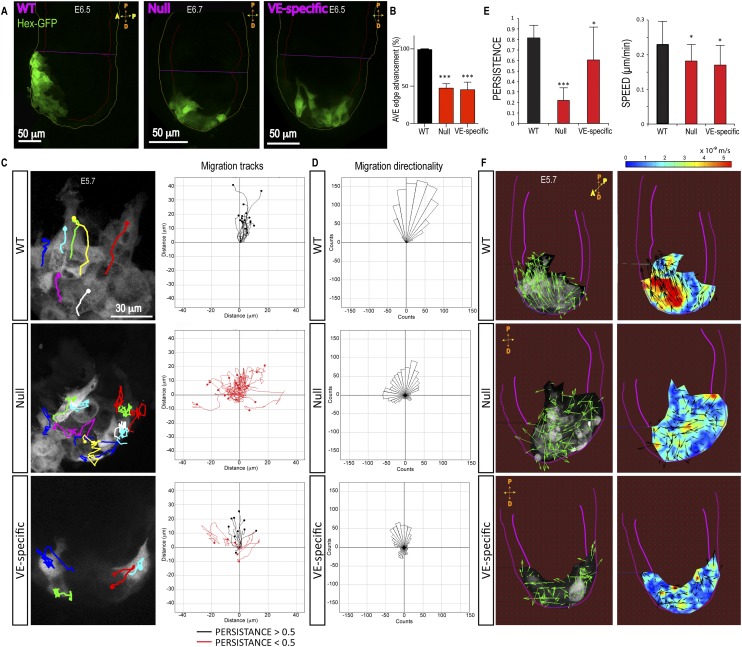
Collective epithelial migration is important throughout embryonic development. The underlying mechanisms are poorly understood but likely involve spatially localized activation of Rho GTPases. We previously reported that Rac1 is essential for generating the protrusive activity that drives the collective migration of anterior visceral endoderm (AVE) cells in the early mouse embryo. To identify potential regulators of Rac1, we first performed an RNAi screen of Rho family exchange factors (guanine nucleotide exchange factor [GEF]) in an in vitro collective epithelial migration assay and identified β-Pix. Genetic deletion of β-Pix in mice disrupts collective AVE migration, while high-resolution live imaging revealed that this is associated with randomly directed protrusive activity. We conclude that β-Pix controls the spatial localization of Rac1 activity to drive collective AVE migration at a critical stage in mouse development.
集体上皮迁移在整个胚胎发育过程中都很重要。其潜在机制尚不清楚,但可能涉及Rho GTPases的空间局部激活。我们之前报道过,Rac1对于产生驱动小鼠早期胚胎中前内脏内胚层(AVE)细胞集体迁移的突出活性至关重要。为了鉴定Rac1的潜在调节因子,我们首先在体外集体上皮迁移试验中对Rho家族交换因子(鸟嘌呤核苷酸交换因子[GEF])进行了RNAi筛选,并鉴定出β-Pix。小鼠中β-Pix的基因缺失会破坏AVE的集体迁移,而高分辨率实时成像显示,这与随机定向的突出活性有关。我们得出结论,β-Pix控制Rac1活性的空间定位,以在小鼠发育的关键阶段驱动AVE的集体迁移。