Zhu Yanfang Peipei, Brown Jonathan R, Sag Duygu, Zhang Lihua, Suttles Jill
Department of Microbiology and Immunology, University of Louisville School of Medicine, Louisville, KY 40292.
Department of Microbiology and Immunology, University of Louisville School of Medicine, Louisville, KY 40292
J Immunol. 2015 Jan 15;194(2):584-94. doi: 10.4049/jimmunol.1401024. Epub 2014 Dec 15.
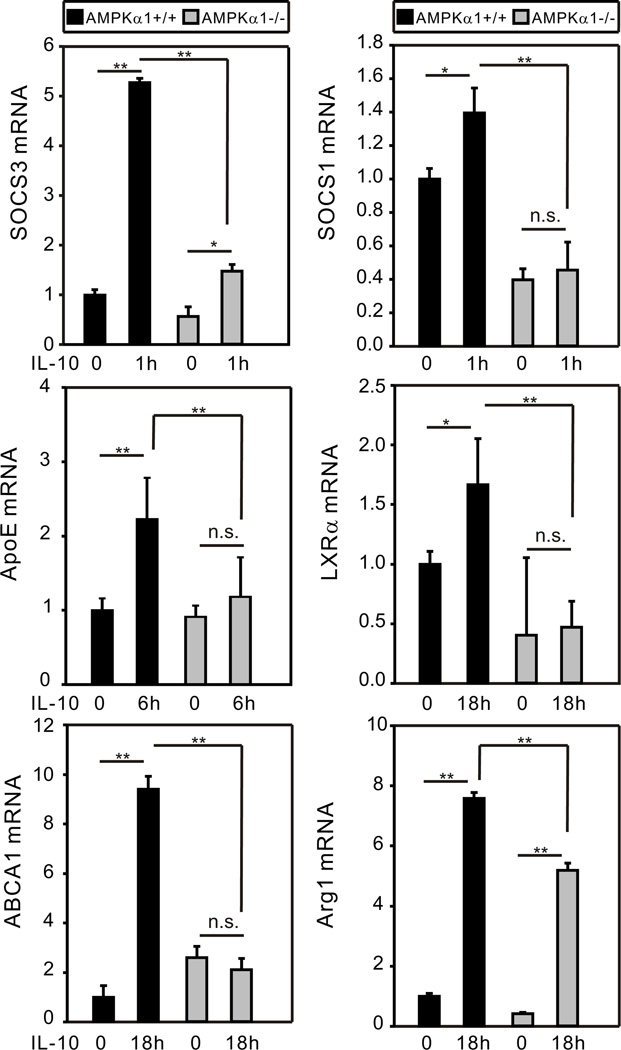
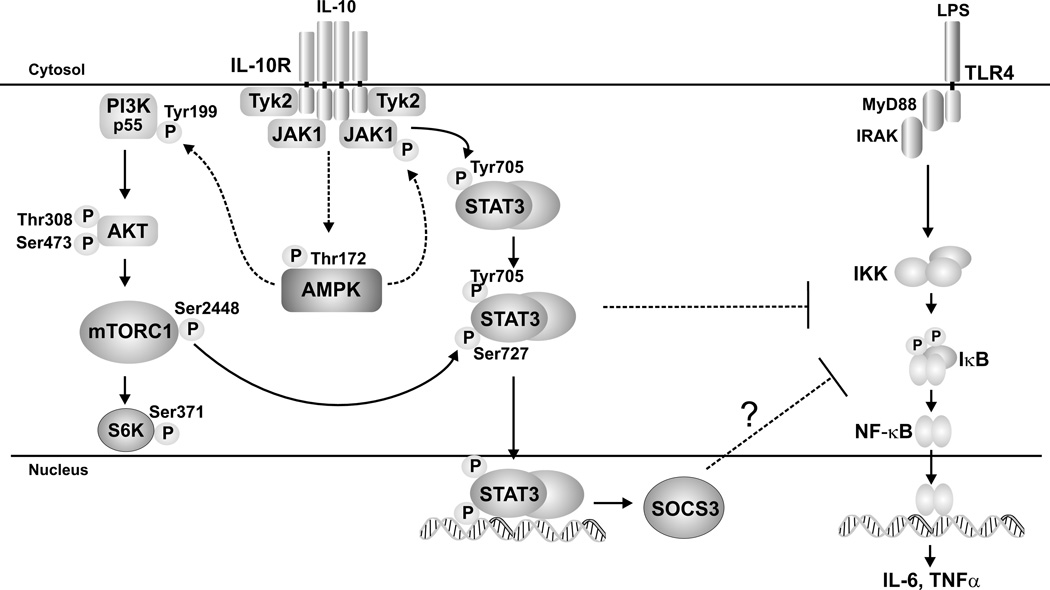
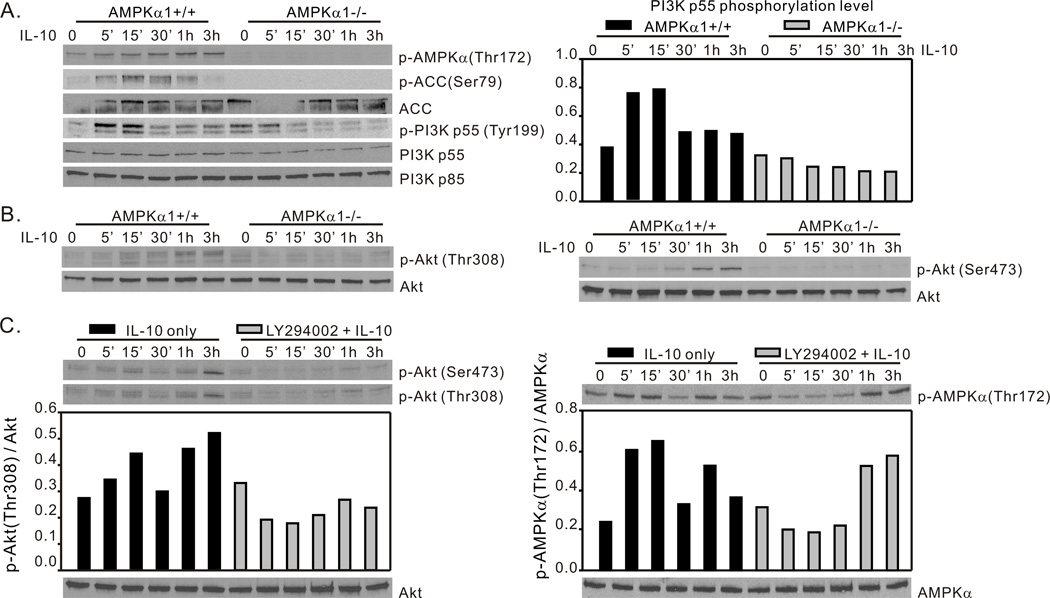
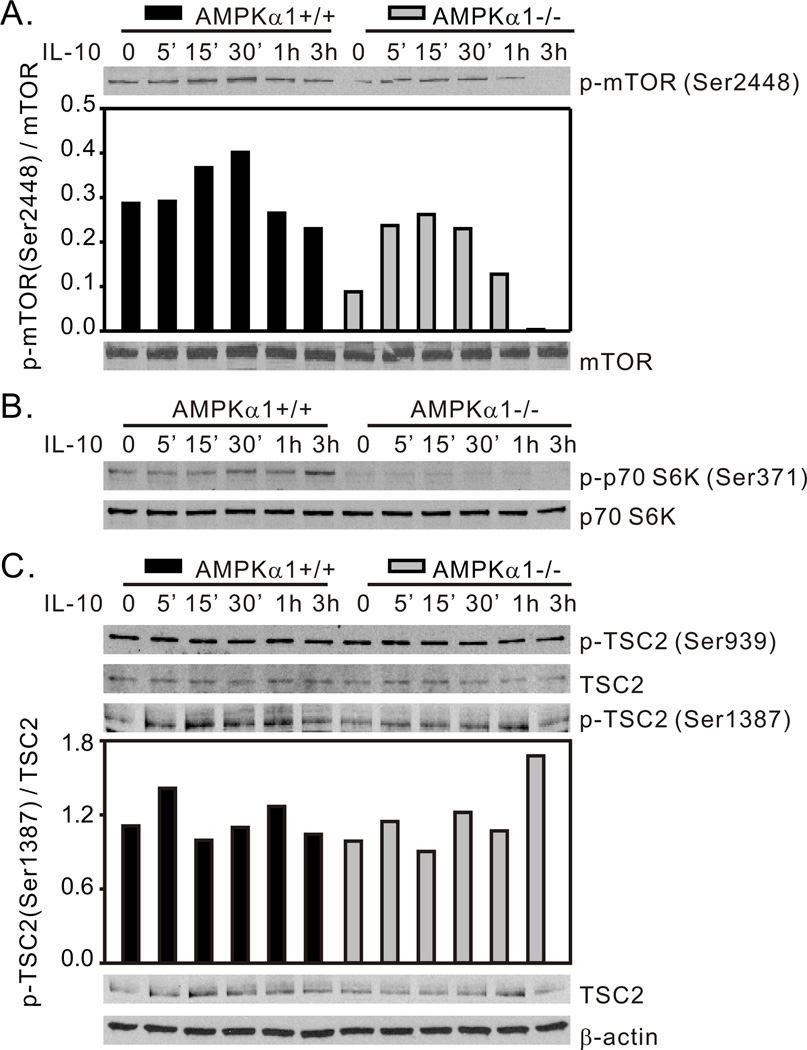
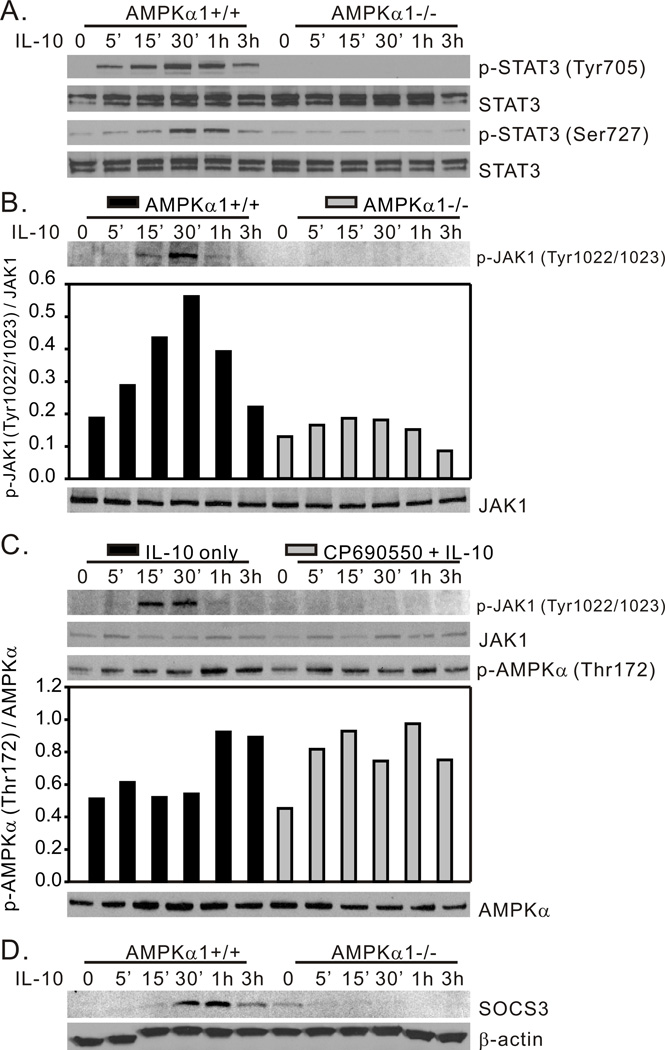
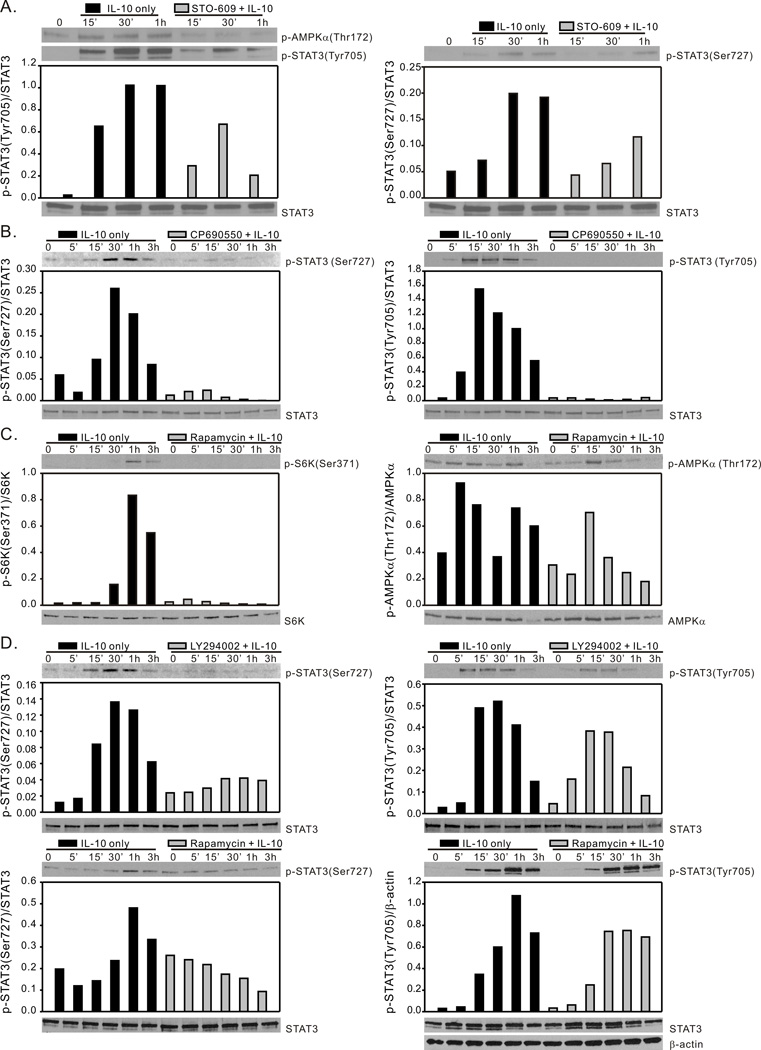
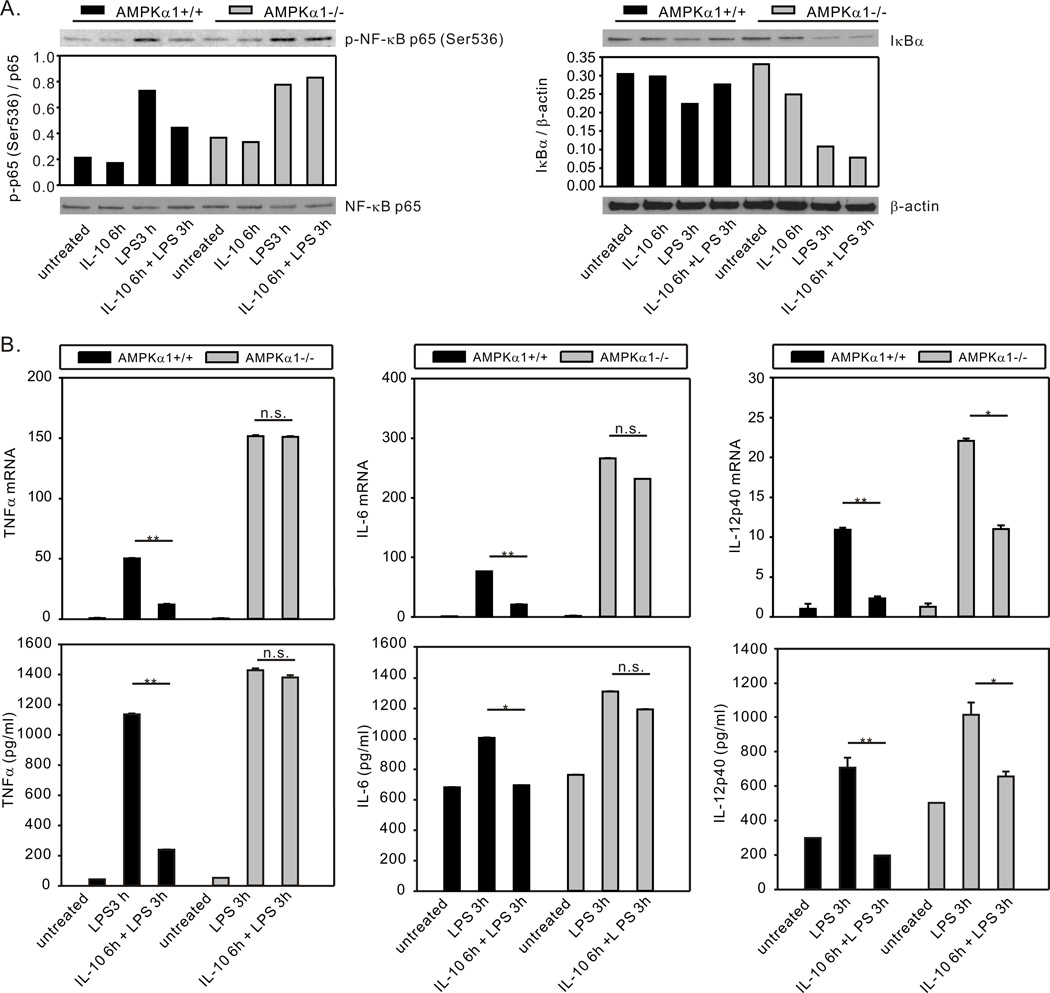
AMP-activated protein kinase (AMPK) is a conserved serine/threonine kinase with a critical function in the regulation of metabolic pathways in eukaryotic cells. Recently, AMPK has been shown to play an additional role as a regulator of inflammatory activity in leukocytes. Treatment of macrophages with chemical AMPK activators, or forced expression of a constitutively active form of AMPK, results in polarization to an anti-inflammatory phenotype. In addition, we reported previously that stimulation of macrophages with anti-inflammatory cytokines such as IL-10, IL-4, and TGF-β results in rapid activation of AMPK, suggesting that AMPK contributes to the suppressive function of these cytokines. In this study, we investigated the role of AMPK in IL-10-induced gene expression and anti-inflammatory function. IL-10-stimulated wild-type macrophages displayed rapid activation of PI3K and its downstream targets Akt and mammalian target of rapamycin complex (mTORC1), an effect that was not seen in macrophages generated from AMPKα1-deficient mice. AMPK activation was not impacted by treatment with either the PI3K inhibitor LY294002 or the JAK inhibitor CP-690550, suggesting that IL-10-mediated activation of AMPK is independent of PI3K and JAK activity. IL-10 induced phosphorylation of both Tyr(705) and Ser(727) residues of STAT3 in an AMPKα1-dependent manner, and these phosphorylation events were blocked by inhibition of Ca(2+)/calmodulin-dependent protein kinase kinase β, an upstream activator of AMPK, and by the mTORC1 inhibitor rapamycin, respectively. The impaired STAT3 phosphorylation in response to IL-10 observed in AMPKα1-deficient macrophages was accompanied by reduced suppressor of cytokine signaling 3 expression and an inadequacy of IL-10 to suppress LPS-induced proinflammatory cytokine production. Overall, our data demonstrate that AMPKα1 is required for IL-10 activation of the PI3K/Akt/mTORC1 and STAT3-mediated anti-inflammatory pathways regulating macrophage functional polarization.
AMP激活的蛋白激酶(AMPK)是一种保守的丝氨酸/苏氨酸激酶,在真核细胞代谢途径的调节中具有关键作用。最近,AMPK已被证明在白细胞炎症活性调节中发挥额外作用。用化学AMPK激活剂处理巨噬细胞,或强制表达组成型活性形式的AMPK,会导致巨噬细胞极化为抗炎表型。此外,我们之前报道过,用抗炎细胞因子如IL-10、IL-4和TGF-β刺激巨噬细胞会导致AMPK快速激活,这表明AMPK有助于这些细胞因子的抑制功能。在本研究中,我们研究了AMPK在IL-10诱导的基因表达和抗炎功能中的作用。IL-10刺激的野生型巨噬细胞显示出PI3K及其下游靶点Akt和雷帕霉素复合物哺乳动物靶点(mTORC1)的快速激活,而在由AMPKα1缺陷小鼠产生的巨噬细胞中未观察到这种效应。用PI3K抑制剂LY294002或JAK抑制剂CP-690550处理均不影响AMPK的激活,这表明IL-10介导的AMPK激活独立于PI3K和JAK活性。IL-10以AMPKα1依赖的方式诱导STAT3的Tyr(705)和Ser(727)残基磷酸化,这些磷酸化事件分别被AMPK的上游激活剂Ca(2+)/钙调蛋白依赖性蛋白激酶激酶β的抑制以及mTORC1抑制剂雷帕霉素阻断。在AMPKα1缺陷巨噬细胞中观察到的对IL-10应答时STAT3磷酸化受损,伴随着细胞因子信号传导抑制因子3表达降低以及IL-10抑制LPS诱导的促炎细胞因子产生的能力不足。总体而言,我们的数据表明,AMPKα1是IL-10激活PI3K/Akt/mTORC1和STAT3介导的调节巨噬细胞功能极化的抗炎途径所必需的。