Singh Neeloo, Chatterjee Mitali, Sundar Shyam
Central Drug Research Institute, Jankipuram Extension, Lucknow, 226031, India.
Department of Pharmacology, Institute of Post Graduate Medical Education and Research, Kolkata, India.
Parasit Vectors. 2014 Dec 17;7:596. doi: 10.1186/s13071-014-0596-1.
Visceral leishmaniasis (VL), also called Kala Azar (KA) or black fever in India, claims around 20,000 lives every year. Chemotherapy remains one of the most important tools in the control of VL. Current chemotherapy for Kala Azar in India relies on a rather limited arsenal of drugs including sodium antimony gluconate and amphotericin B in addition to the very expensive drug miltefosine. Pentavalent antimonials have been used for more than half a century in the therapy of leishmaniasis as it is relatively safe and inexpensive, however, the spread of resistance to this drug is forcing clinicians in India to abandon this treatment. Consequently, improvement of antimonial chemotherapy has become a major challenging area of study by leishmaniacs worldwide. The alarming emergence of resistance to the commonly used antleishmanial drug, sodium antimony gluconate, in India, has led us to elucidate the resistance mechanism(s) in clinical isolates. Studies on laboratory mutants have shown that resistance to antimonials is highly dependent on thiol levels. The parasite evades cytotoxic effects of antimonial therapy by enhanced efflux of drug upon conjugation with thiols, through overexpressed membrane proteins belonging to the superfamily of ABC transporters.
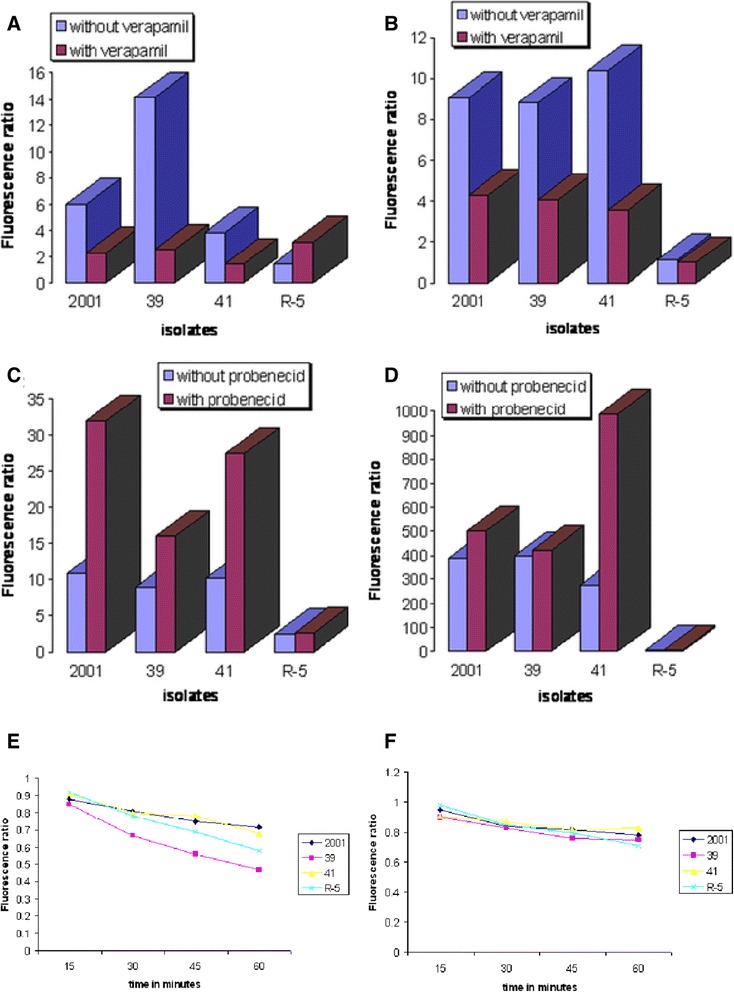
We have carried out functional studies to determine the activity of the efflux pumps in antimonial resistant clinical isolates collected from disease endemic areas in India and also carried out molecular characterization of thiol levels in these parasites.
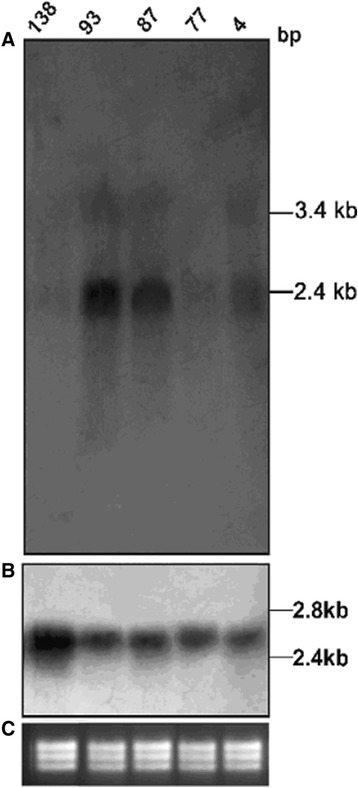
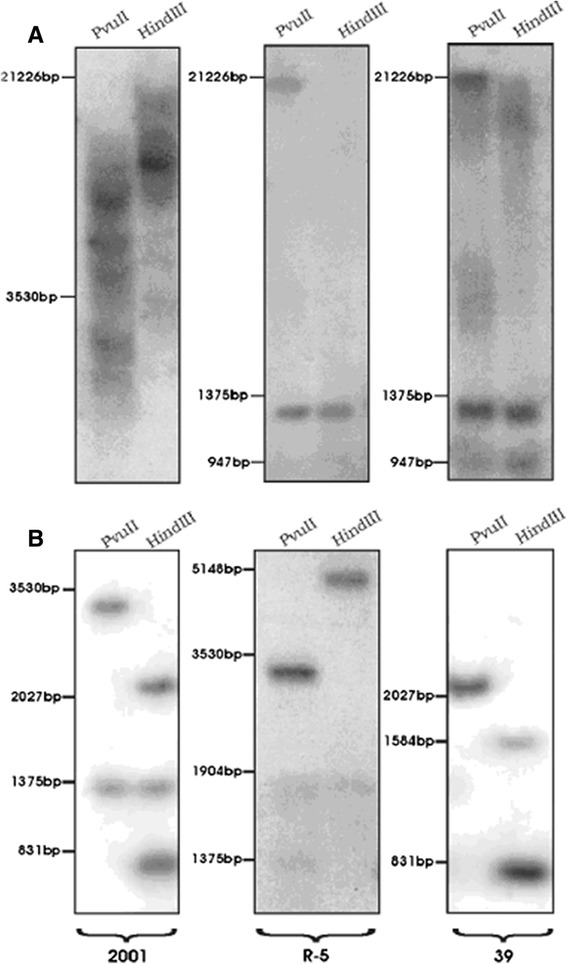
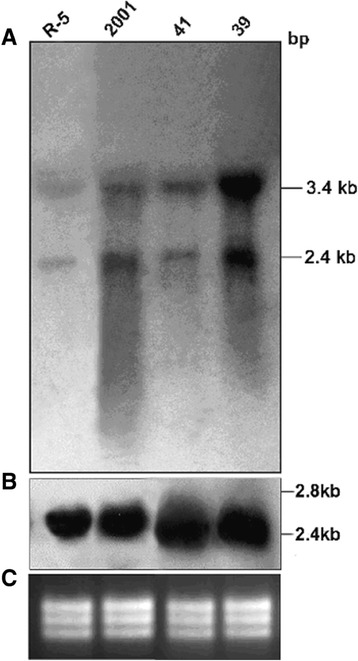
Overexpression of the gene coding for γ glutamylcysteine synthetase was observed in these resistant clinical isolates thereby establishing that thiols represent the key determinants of antimonial resistance. The SbIII/thiol conjugates can be sequestered by ABC transporter multidrug resistance protein A (MRPA) into intracellular organelles or can be directly pumped out by an uncharacterized transporter.
Our studies investigating antimonial resistance in different L. donovani clinical isolates suggest that over functioning of MRP plays a role in generation of antimony resistance phenotype in some L. donovani clinical isolates.
内脏利什曼病(VL),在印度也被称为黑热病(KA)或黑热病,每年导致约20000人死亡。化疗仍然是控制VL最重要的手段之一。印度目前治疗黑热病的化疗依赖于相当有限的药物库,包括葡萄糖酸锑钠和两性霉素B,此外还有非常昂贵的药物米替福新。五价锑化合物已在利什曼病治疗中使用了半个多世纪,因为它相对安全且便宜,然而,对这种药物耐药性的传播正迫使印度的临床医生放弃这种治疗方法。因此,改进锑剂化疗已成为全球利什曼病研究人员面临的一个重大挑战领域。在印度,对常用抗利什曼药物葡萄糖酸锑钠耐药性的惊人出现,促使我们阐明临床分离株中的耐药机制。对实验室突变体的研究表明,对锑剂的耐药性高度依赖于硫醇水平。寄生虫通过与硫醇结合后增强药物外排,通过属于ABC转运蛋白超家族的过表达膜蛋白,逃避锑剂治疗的细胞毒性作用。
我们进行了功能研究,以确定从印度疾病流行地区收集的耐锑临床分离株中外排泵的活性,并对这些寄生虫中的硫醇水平进行了分子表征。
在这些耐药临床分离株中观察到编码γ-谷氨酰半胱氨酸合成酶的基因过表达,从而确定硫醇是锑剂耐药性的关键决定因素。SbIII/硫醇缀合物可被ABC转运蛋白多药耐药蛋白A(MRPA)隔离到细胞内细胞器中,或可被一种未鉴定的转运蛋白直接泵出。
我们对不同杜氏利什曼原虫临床分离株中锑剂耐药性的研究表明,MRP功能亢进在一些杜氏利什曼原虫临床分离株中锑耐药表型的产生中起作用。