Moreno Miguel Angel, Alonso Ana, Alcolea Pedro Jose, Abramov Ariel, de Lacoba Mario García, Abendroth Jan, Zhang Sunny, Edwards Thomas, Lorimer Don, Myler Peter John, Larraga Vicente
Departamento de Microbiología Molecular y Servicio de Bioinformática y Bioestadística, Centro de Investigaciones Biológicas, Consejo Superior de Investigaciones Científicas (CSIC), calle Ramiro de Maeztu, 9, 28040 Madrid, Spain.
Seattle Structural Genomics Center for Infectious Disease (SSGCID), USA ; Seattle Biomedical Research Institute, 307 Westlake Avenue North, Seattle, WA 98109, USA.
Int J Parasitol Drugs Drug Resist. 2014 Jul 30;4(3):347-54. doi: 10.1016/j.ijpddr.2014.06.001. eCollection 2014 Dec.
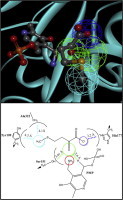
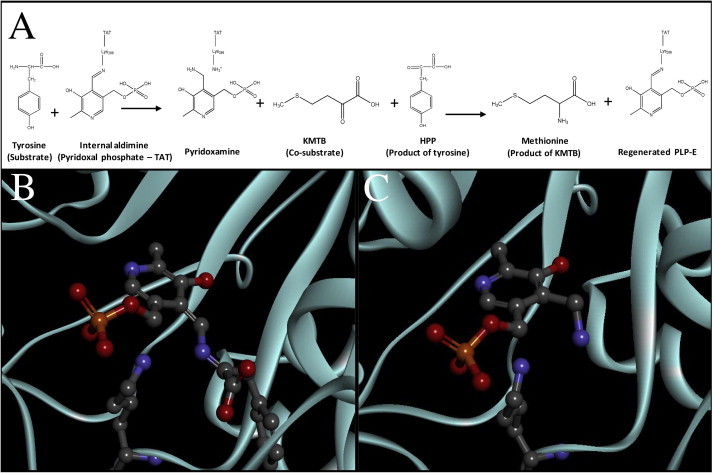
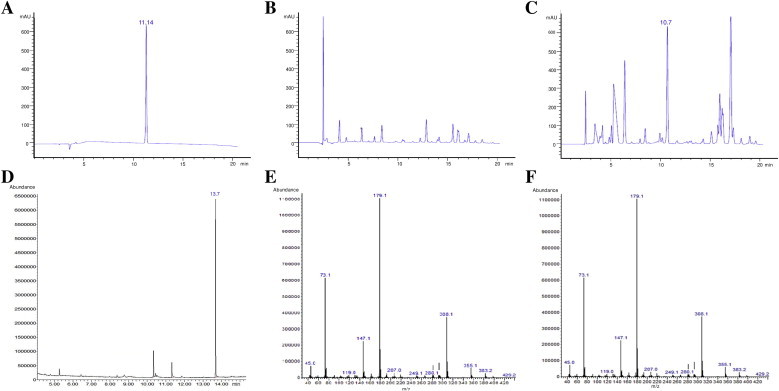
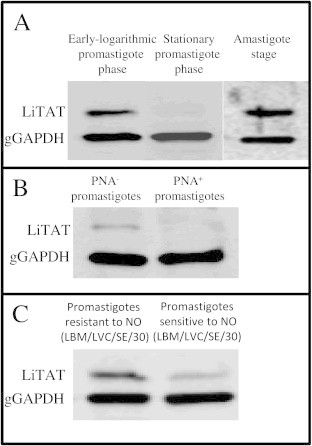
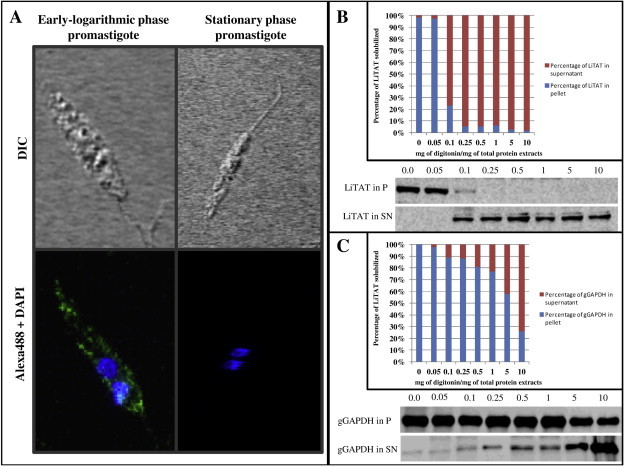
Leishmania infantum is the etiological agent of zoonotic visceral leishmaniasis in the Mediterranean basin. The disease is fatal without treatment, which has been based on antimonial pentavalents for more than 60 years. Due to resistances, relapses and toxicity to current treatment, the development of new drugs is required. The structure of the L. infantum tyrosine aminotransferase (LiTAT) has been recently solved showing important differences with the mammalian orthologue. The characterization of LiTAT is reported herein. This enzyme is cytoplasmic and is over-expressed in the more infective stages and nitric oxide resistant parasites. Unlike the mammalian TAT, LiTAT is able to use ketomethiobutyrate as co-substrate. The pharmacophore model of LiTAT with this specific co-substrate is described herein. This may allow the identification of new inhibitors present in the databases. All the data obtained support that LiTAT is a good target candidate for the development of new anti-leishmanial drugs.
婴儿利什曼原虫是地中海盆地人畜共患内脏利什曼病的病原体。该病若不治疗会致命,60多年来一直以五价锑化合物为治疗药物。由于当前治疗存在耐药性、复发和毒性问题,需要开发新药。婴儿利什曼原虫酪氨酸转氨酶(LiTAT)的结构最近已解析出来,显示出与哺乳动物同源物有重要差异。本文报道了LiTAT的特性。这种酶存在于细胞质中,在感染性更强的阶段和抗一氧化氮的寄生虫中过度表达。与哺乳动物的TAT不同,LiTAT能够使用酮甲硫丁酸作为共底物。本文描述了LiTAT与这种特定共底物的药效团模型。这可能有助于识别数据库中存在的新抑制剂。所获得的所有数据都支持LiTAT是开发新型抗利什曼病药物的良好候选靶点。