Abraham Eappen G, Cha Sung-Jae, Jacobs-Lorena Marcelo
Department of Molecular Microbiology and Immunology, John Hopkins Bloomberg School of Public Health and Johns Hopkins Malaria Research Institute, Baltimore, Maryland, USA.
Entomol Res. 2007 Dec;37(4):213-220. doi: 10.1111/j.1748-5967.2007.00117.x.
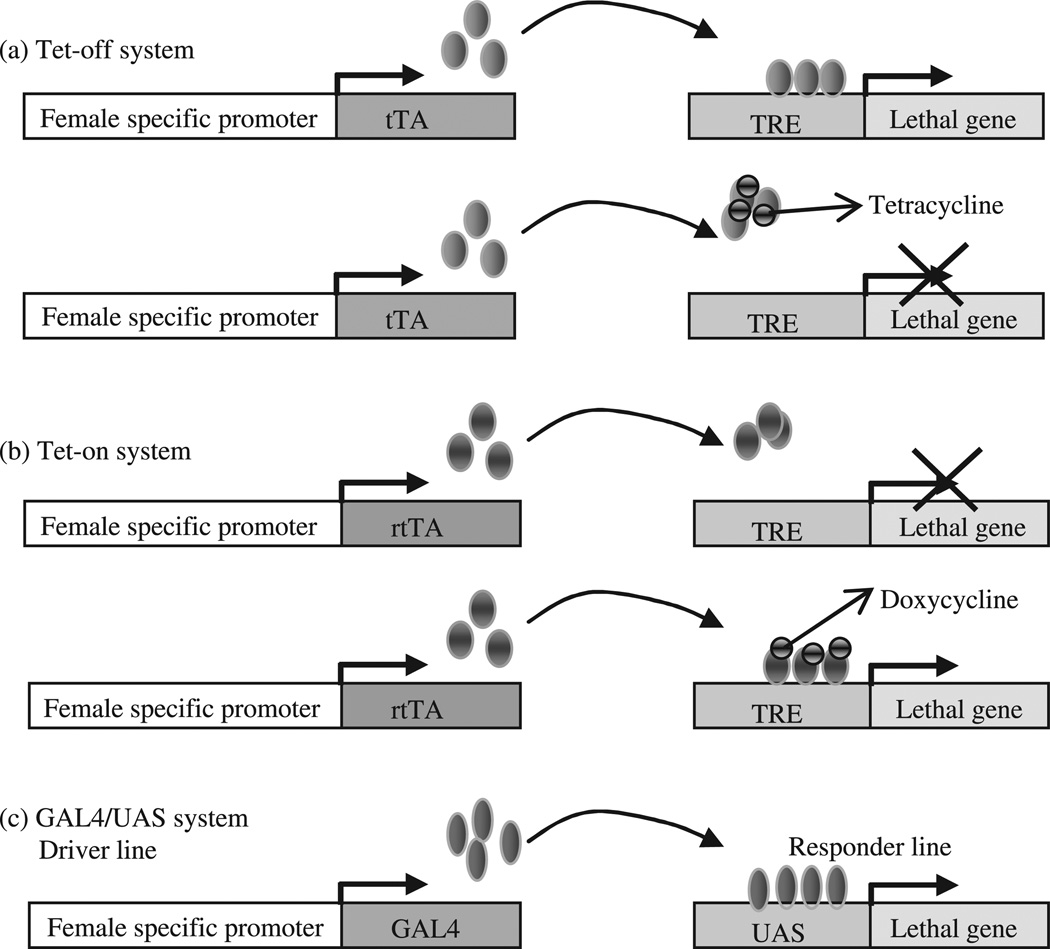
Insects are responsible for the transmission of major infectious diseases. Recent advances in insect genomics and transformation technology provide new strategies for the control of insect borne pathogen transmission and insect pest management. One such strategy is the genetic modification of insects with genes that block pathogen development. Another is to suppress insect populations by releasing either sterile males or males carrying female-specific dominant lethal genes into the environment. Although significant progress has been made in the laboratory, further research is needed to extend these approaches to the field. These insect control strategies offer several advantages over conventional insecticide-based strategies. However, the release of genetically modified insects into the environment should proceed with great caution, after ensuring its safety, and acceptance by the target populations.
昆虫是主要传染病传播的媒介。昆虫基因组学和转化技术的最新进展为控制昆虫传播病原体和害虫管理提供了新策略。其中一种策略是用阻断病原体发育的基因对昆虫进行基因改造。另一种是通过向环境中释放不育雄虫或携带雌性特异性显性致死基因的雄虫来抑制昆虫种群。尽管在实验室中已取得重大进展,但仍需进一步研究以将这些方法扩展到田间。与传统的基于杀虫剂的策略相比,这些昆虫控制策略具有几个优点。然而,在确保转基因昆虫的安全性并获得目标人群认可之后,才应极其谨慎地将其释放到环境中。