Stanley David, Haas Eric, Miller Jon
Biological Control of Insects Research Laboratory, USDA Agricultural Research Service, 1503 S. Providence Rd., Columbia, MO 65203, USA.
Department of Chemistry, Creighton University, Omaha, NE 68178, USA.
Insects. 2012 May 16;3(2):492-510. doi: 10.3390/insects3020492.
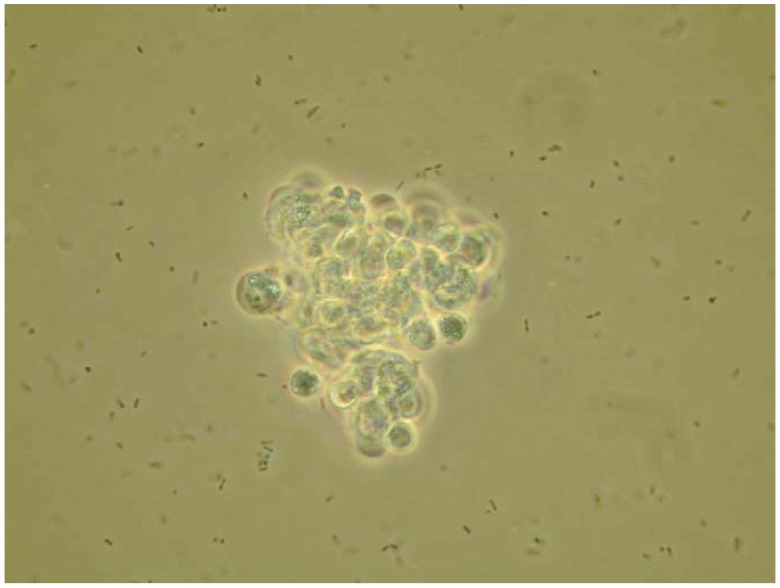
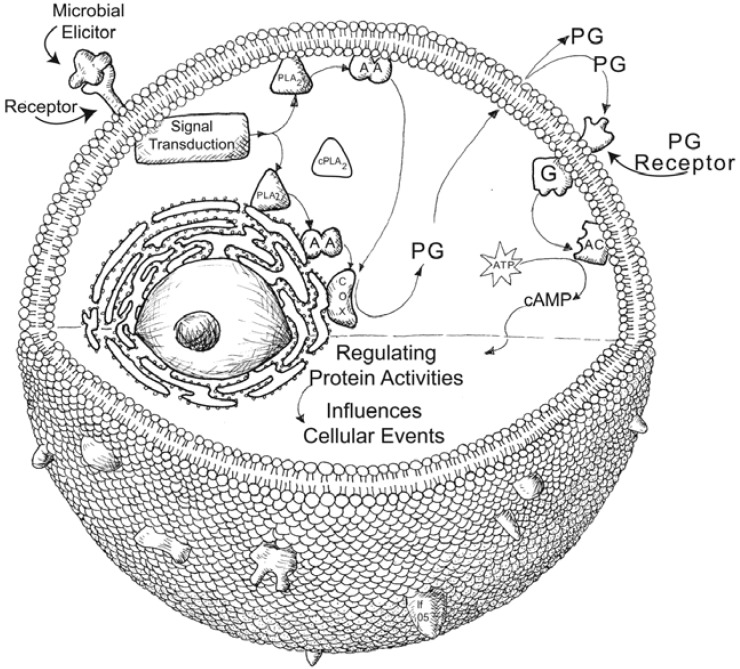
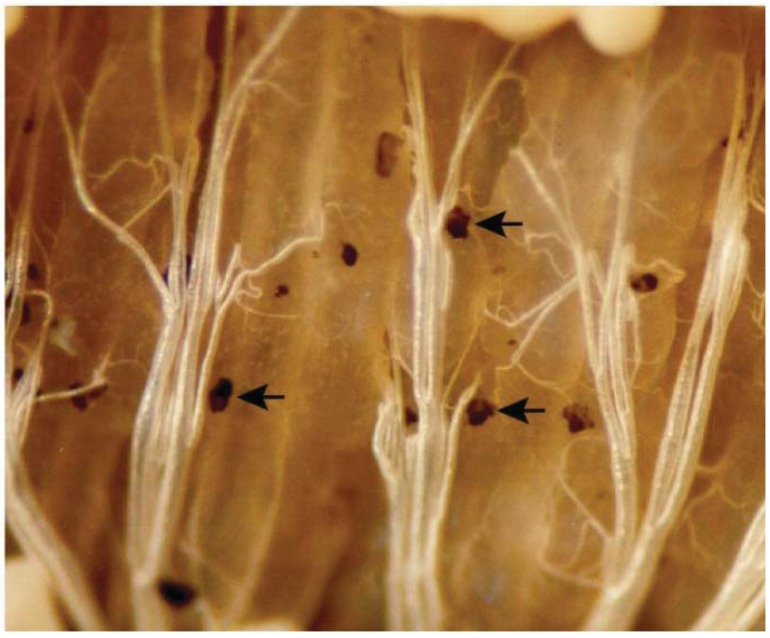
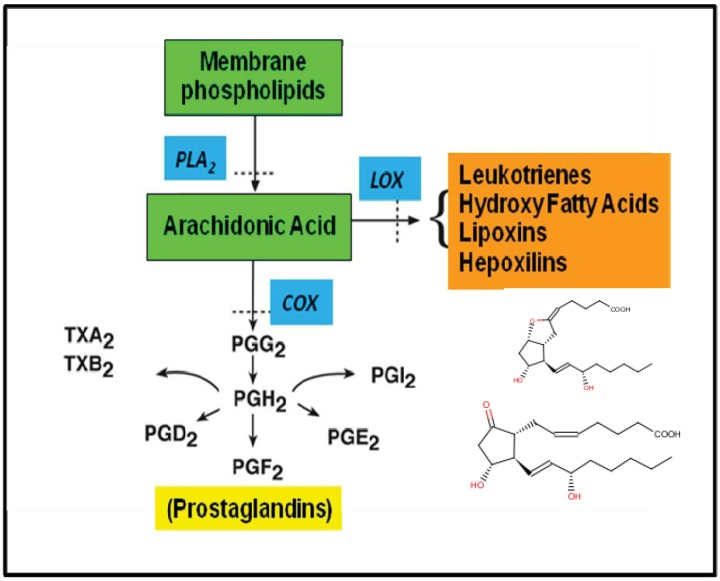
Insects, like all invertebrates, express robust innate, but not adaptive, immune reactions to infection and invasion. Insect immunity is usually resolved into three major components. The integument serves as a physical barrier to infections. Within the hemocoel, the circulating hemocytes are the temporal first line of defense, responsible for clearing the majority of infecting bacterial cells from circulation. Specific cellular defenses include phagocytosis, microaggregation of hemocytes with adhering bacteria, nodulation and encapsulation. Infections also stimulate the humoral component of immunity, which involves the induced expression of genes encoding antimicrobial peptides and activation of prophenoloxidase. These peptides appear in the hemolymph of challenged insects 6-12 hours after the challenge. Prostaglandins and other eicosanoids are crucial mediators of innate immune responses. Eicosanoid biosynthesis is stimulated by infection in insects. Inhibition of eicosanoid biosynthesis lethally renders experimental insects unable to clear bacterial infection from hemolymph. Eicosanoids mediate specific cell actions, including phagocytosis, microaggregation, nodulation, hemocyte migration, hemocyte spreading and the release of prophenoloxidase from oenocytoids. Some invaders have evolved mechanisms to suppress insect immunity; a few of them suppress immunity by targeting the first step in the eicosanoid biosynthesis pathways, the enzyme phospholipase A₂. We proposed research designed to cripple insect immunity as a technology to improve biological control of insects. We used dsRNA to silence insect genes encoding phospholipase A₂, and thereby inhibited the nodulation reaction to infection. The purpose of this article is to place our view of applying dsRNA technologies into the context of eicosanoid actions in insect immunity. The long-term significance of research in this area lies in developing new pest management technologies to contribute to food security in a world with a rapidly growing human population.
昆虫与所有无脊椎动物一样,对感染和入侵表现出强大的先天性免疫反应,但没有适应性免疫反应。昆虫免疫通常可分为三个主要组成部分。体表作为抵御感染的物理屏障。在血腔中,循环血细胞是临时的第一道防线,负责清除循环中大部分感染细菌细胞。特异性细胞防御包括吞噬作用、血细胞与附着细菌的微聚集、结节形成和包囊形成。感染还会刺激免疫的体液成分,这涉及编码抗菌肽的基因的诱导表达和前酚氧化酶的激活。这些肽在受到挑战的昆虫的血淋巴中于挑战后6 - 12小时出现。前列腺素和其他类二十烷酸是先天性免疫反应的关键介质。昆虫感染会刺激类二十烷酸的生物合成。抑制类二十烷酸生物合成会使实验昆虫致命地无法清除血淋巴中的细菌感染。类二十烷酸介导特定的细胞作用,包括吞噬作用、微聚集、结节形成、血细胞迁移、血细胞铺展以及从oenocytoids释放前酚氧化酶。一些入侵者已经进化出抑制昆虫免疫的机制;其中一些通过靶向类二十烷酸生物合成途径的第一步,即磷脂酶A₂来抑制免疫。我们提出了旨在削弱昆虫免疫的研究,将其作为一种改善昆虫生物防治的技术。我们使用dsRNA使编码磷脂酶A₂的昆虫基因沉默,从而抑制对感染的结节形成反应。本文的目的是将我们对应用dsRNA技术的观点置于昆虫免疫中类二十烷酸作用的背景下。该领域研究的长期意义在于开发新的害虫管理技术,以促进在人口快速增长的世界中的粮食安全。