Gulati Seema, Misra Anoop
Diabetes Foundation (India), Safdarjung Development Area, New Delhi 110016, India.
Nutrients. 2014 Dec 22;6(12):5955-74. doi: 10.3390/nu6125955.
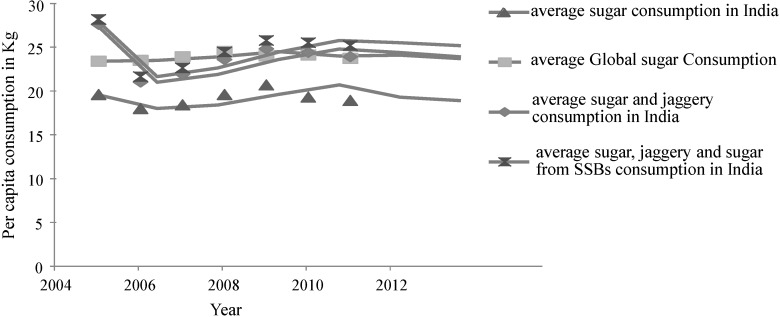
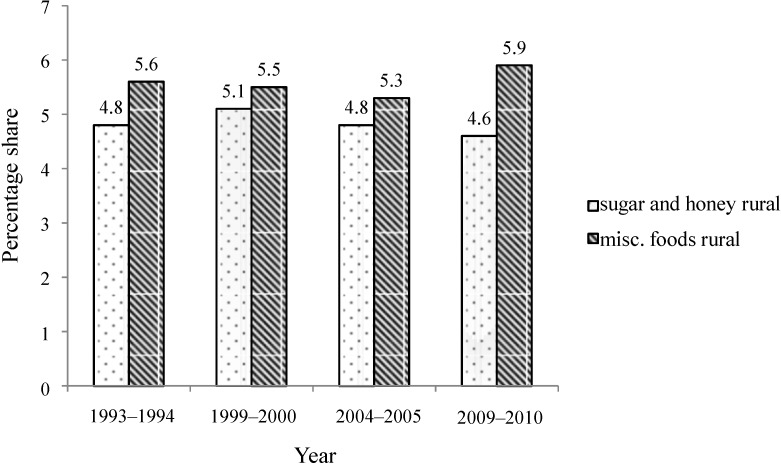
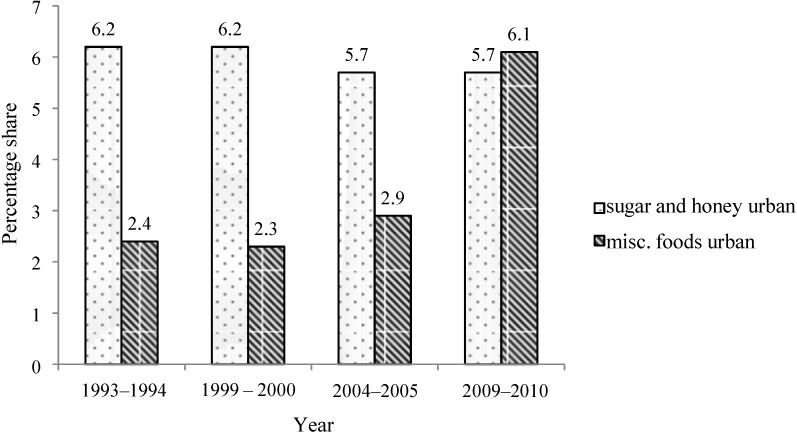
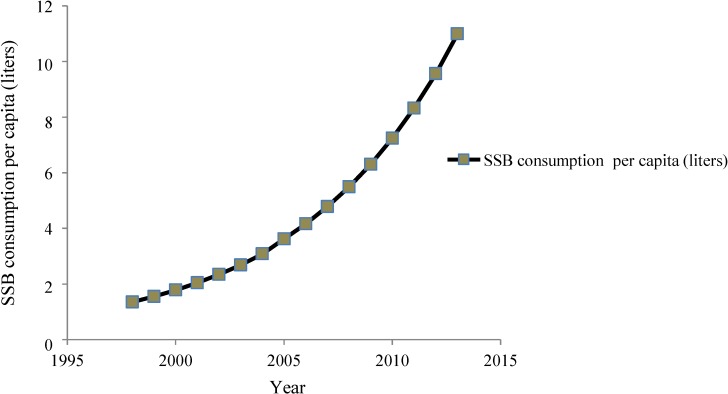
Sugar and sweet consumption have been popular and intrinsic to Indian culture, traditions, and religion from ancient times. In this article, we review the data showing increasing sugar consumption in India, including traditional sources (jaggery and khandsari) and from sugar-sweetened beverages (SSBs). Along with decreasing physical activity, this increasing trend of per capita sugar consumption assumes significance in view of the high tendency for Indians to develop insulin resistance, abdominal adiposity, and hepatic steatosis, and the increasing "epidemic" of type 2 diabetes (T2DM) and cardiovascular diseases. Importantly, there are preliminary data to show that incidence of obesity and T2DM could be decreased by increasing taxation on SSBs. Other prevention strategies, encompassing multiple stakeholders (government, industry, and consumers), should target on decreasing sugar consumption in the Indian population. In this context, dietary guidelines for Indians show that sugar consumption should be less than 10% of total daily energy intake, but it is suggested that this limit be decreased.
从古至今,糖和甜食的消费在印度文化、传统及宗教中一直很普遍且根深蒂固。在本文中,我们回顾了相关数据,这些数据显示印度的糖消费量在不断增加,包括传统来源(粗糖和红糖)以及含糖饮料(SSB)中的糖。随着身体活动的减少,考虑到印度人患胰岛素抵抗、腹部肥胖和肝脂肪变性的倾向较高,以及2型糖尿病(T2DM)和心血管疾病日益增多的“流行”趋势,人均糖消费量的这种上升趋势具有重要意义。重要的是,有初步数据表明,对含糖饮料增加税收可降低肥胖症和2型糖尿病的发病率。其他预防策略,涉及多个利益相关者(政府、行业和消费者),应旨在降低印度人群的糖消费量。在此背景下,印度人的饮食指南表明,糖的消费量应低于每日总能量摄入量的10%,但有人建议应降低这一限制。