Herrera Carmen M, Crofts Alexander A, Henderson Jeremy C, Pingali S Cassandra, Davies Bryan W, Trent M Stephen
Department of Molecular Biosciences, The University of Texas at Austin, Austin, Texas, USA.
mBio. 2014 Dec 23;5(6):e02283-14. doi: 10.1128/mBio.02283-14.
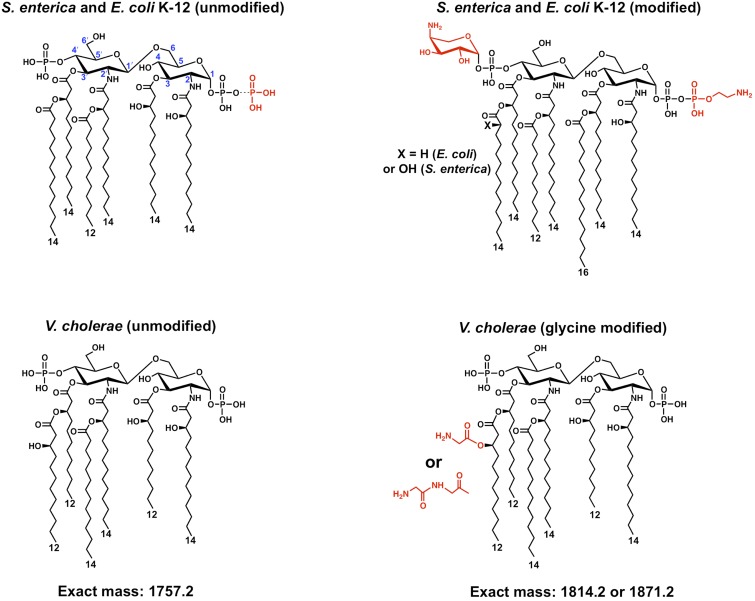
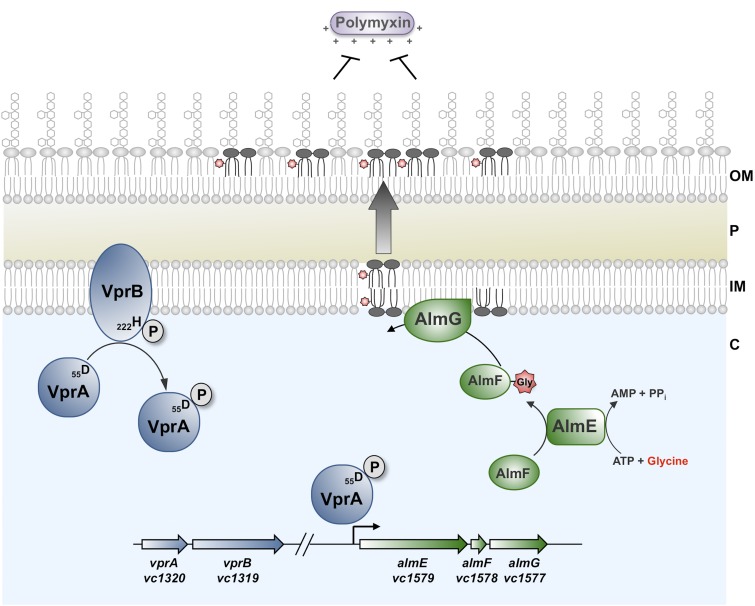
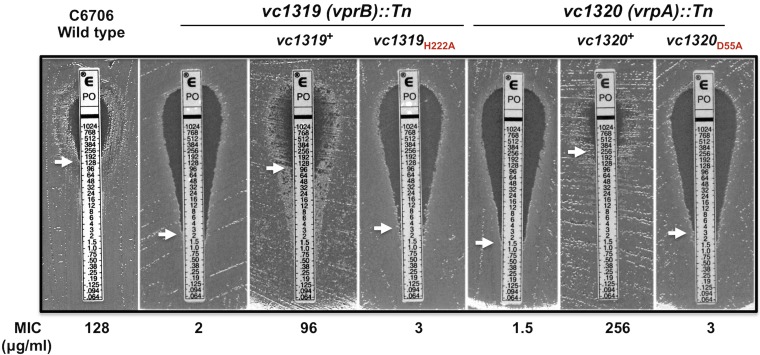
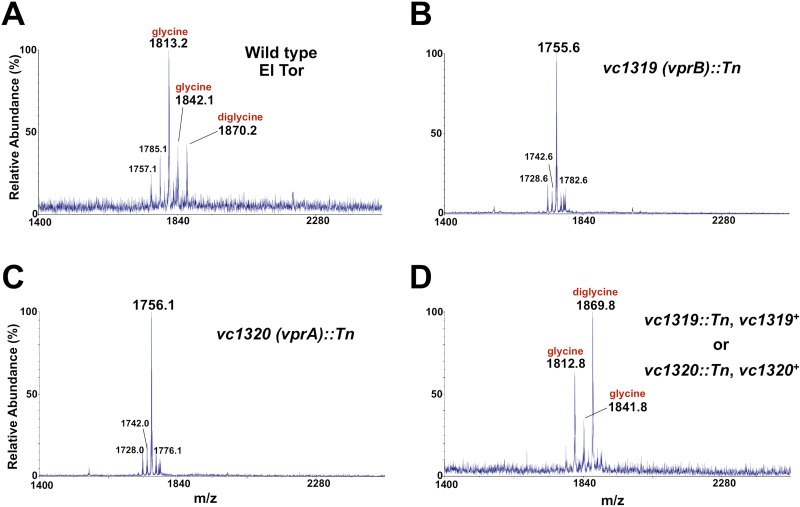
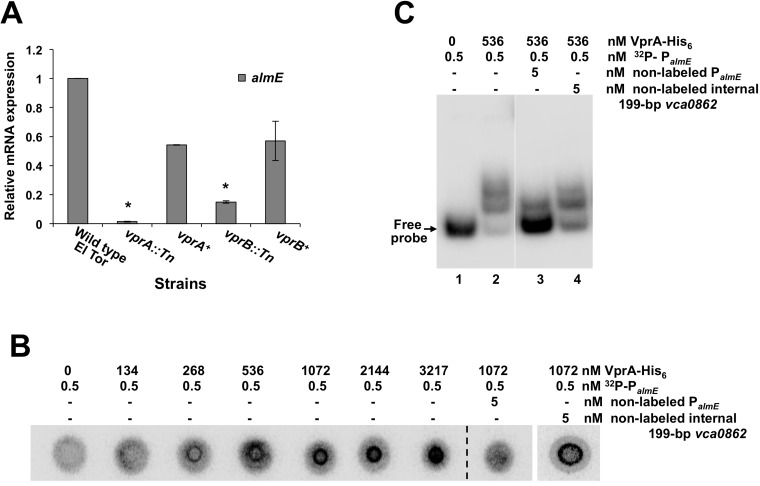
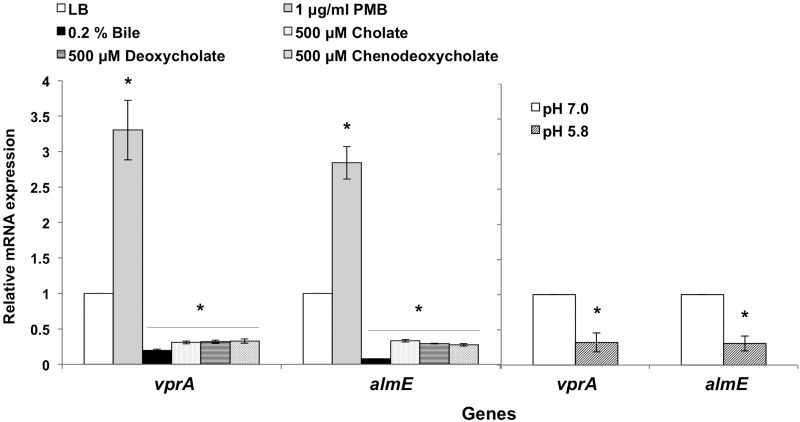
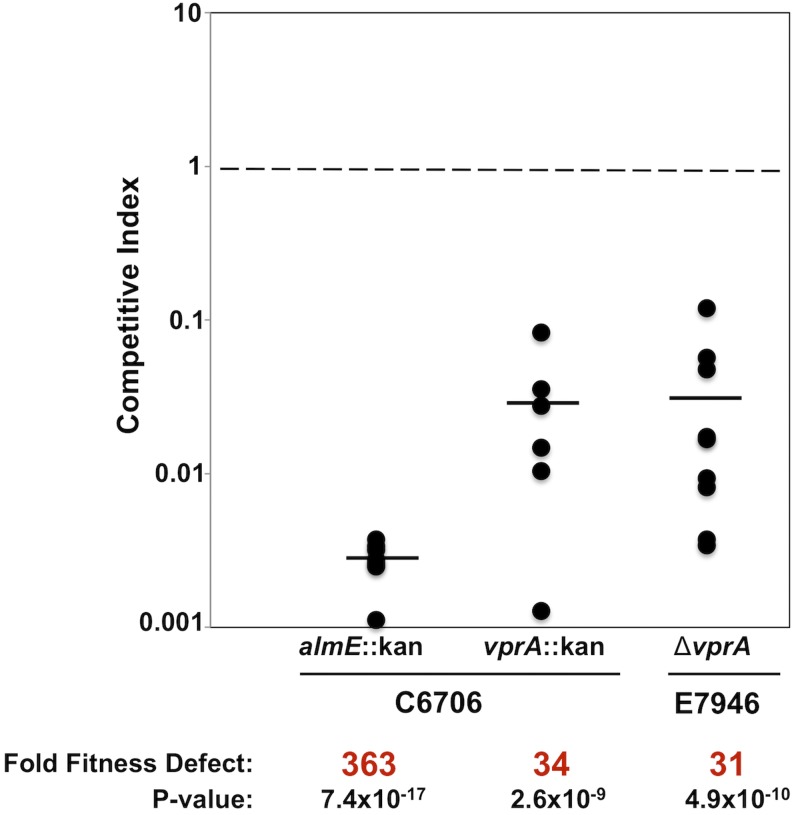
The bacterial cell surface is the first structure the host immune system targets to prevent infection. Cationic antimicrobial peptides of the innate immune system bind to the membrane of Gram-negative pathogens via conserved, surface-exposed lipopolysaccharide (LPS) molecules. We recently reported that modern strains of the global intestinal pathogen Vibrio cholerae modify the anionic lipid A domain of LPS with a novel moiety, amino acids. Remarkably, glycine or diglycine addition to lipid A alters the surface charge of the bacteria to help evade the cationic antimicrobial peptide polymyxin. However, the regulatory mechanisms of lipid A modification in V. cholerae are unknown. Here, we identify a novel two-component system that regulates lipid A glycine modification by responding to important biological cues associated with pathogenesis, including bile, mildly acidic pH, and cationic antimicrobial peptides. The histidine kinase Vc1319 (VprB) and the response regulator Vc1320 (VprA) respond to these signals and are required for the expression of the almEFG operon that encodes the genes essential for glycine modification of lipid A. Importantly, both the newly identified two-component system and the lipid A modification machinery are required for colonization of the mammalian host. This study demonstrates how V. cholerae uses a previously unknown regulatory network, independent of well-studied V. cholerae virulence factors and regulators, to respond to the host environment and cause infection.
Vibrio cholerae, the etiological agent of cholera disease, infects millions of people every year. V. cholerae El Tor and classical biotypes have been responsible for all cholera pandemics. The El Tor biotype responsible for the current seventh pandemic has displaced the classical biotype worldwide and is highly resistant to cationic antimicrobial peptides, like polymyxin B. This resistance arises from the attachment of one or two glycine residues to the lipid A domain of lipopolysaccharide, a major surface component of Gram-negative bacteria. Here, we identify the VprAB two-component system that regulates the charge of the bacterial surface by directly controlling the expression of genes required for glycine addition to lipid A. The VprAB-dependent lipid A modification confers polymyxin B resistance and contributes significantly to pathogenesis. This finding is relevant for understanding how Vibrio cholerae has evolved mechanisms to facilitate the evasion of the host immune system and increase bacterial fitness.
细菌细胞表面是宿主免疫系统为预防感染而靶向的首个结构。先天免疫系统的阳离子抗菌肽通过保守的、表面暴露的脂多糖(LPS)分子与革兰氏阴性病原体的膜结合。我们最近报道,全球肠道病原体霍乱弧菌的现代菌株用一种新的部分,即氨基酸,修饰LPS的阴离子脂质A结构域。值得注意的是,在脂质A上添加甘氨酸或二甘氨酸会改变细菌的表面电荷,以帮助逃避阳离子抗菌肽多粘菌素。然而,霍乱弧菌中脂质A修饰的调控机制尚不清楚。在这里,我们鉴定出一种新型双组分系统,该系统通过响应与发病机制相关的重要生物学信号(包括胆汁、轻度酸性pH值和阳离子抗菌肽)来调节脂质A甘氨酸修饰。组氨酸激酶Vc1319(VprB)和响应调节因子Vc1320(VprA)对这些信号作出反应,并且是编码脂质A甘氨酸修饰所需基因的almEFG操纵子表达所必需的。重要的是,新鉴定的双组分系统和脂质A修饰机制都是哺乳动物宿主定殖所必需的。这项研究表明霍乱弧菌如何利用一个以前未知的调控网络,独立于经过充分研究的霍乱弧菌毒力因子和调节因子,来响应宿主环境并引起感染。
霍乱病的病原体霍乱弧菌每年感染数百万人。霍乱弧菌埃尔托生物型和古典生物型引发了所有霍乱大流行。导致当前第七次大流行的埃尔托生物型已在全球范围内取代了古典生物型,并且对阳离子抗菌肽(如多粘菌素B)具有高度抗性。这种抗性源于一个或两个甘氨酸残基附着于脂多糖的脂质A结构域,脂多糖是革兰氏阴性细菌的主要表面成分。在这里,我们鉴定出VprAB双组分系统,该系统通过直接控制脂质A添加甘氨酸所需基因的表达来调节细菌表面电荷。VprAB依赖性脂质A修饰赋予多粘菌素B抗性,并对发病机制有显著贡献。这一发现对于理解霍乱弧菌如何进化出促进逃避宿主免疫系统并提高细菌适应性的机制具有重要意义。